The Greatest Opening Lines in Literature
Sixteen opening sentences ranked by how much of the book they carry rather than by how often they get quoted, and ranked to start an argument, so vote the order straight if you disagree. Call me Ishmael sits at three on purpose, and Tolstoy is last. The measure is structural: does the line set the tense, the voice, the unreliability or the rules the rest of the book runs on? Every quotation was checked against a live text or the publisher's own extract, and two turn out to vary by edition rather than by anyone's error: Austen's second comma is in the 1813 first edition and gone from modernized texts, and du Maurier's publisher prints none after Last night where Wikipedia inserts one. Links go to the book's Open Library work record, because an opening line has no catalog record of its own. Six come from books published after 1970 and five are translations with the translator named, because the same eight sentences everybody already knows would not be a list.
Ford Madox Ford — The Good Soldier (1915) is #1 on “The Greatest Opening Lines in Literature”.
- 1
Ford Madox Ford — The Good Soldier (1915)
Heard, not lived, and the whole trick sits in the ninth and final word: "This is the saddest story I have ever heard." John Dowell is telling you at the outset that he was present for none of it, and the next three hundred pages test whether he can be believed at all. Ford wanted the title The Saddest Story; with a war on in 1915, his publisher refused it.
 The Good SoldierFord Madox Ford
 - 2
Toni Morrison — Beloved (1987)
Knopf published it on 16 September 1987 and the Pulitzer followed in 1988. "124 was spiteful. Full of a baby's venom." A number where an address should be, a house handed a temper, an infant's malice stated as ordinary fact, and you are inside the haunting before anyone has told you a child is dead. Nothing gets explained for another hundred pages, and nothing needs to be.
BelovedToni Morrison - 3
Herman Melville — Moby-Dick (1851)
Three words, two of them an instruction: an alias offered, and a narrator who has plainly survived to offer it. "Call me Ishmael." Richard Bentley's London edition of 18 October 1851, titled The Whale, dropped the epilogue in which Ishmael is picked up, and reviewers reasonably asked how a drowned man was narrating. Placed third because coming first is not the same as doing the most work.
 Moby DickHerman Melville
 - 4
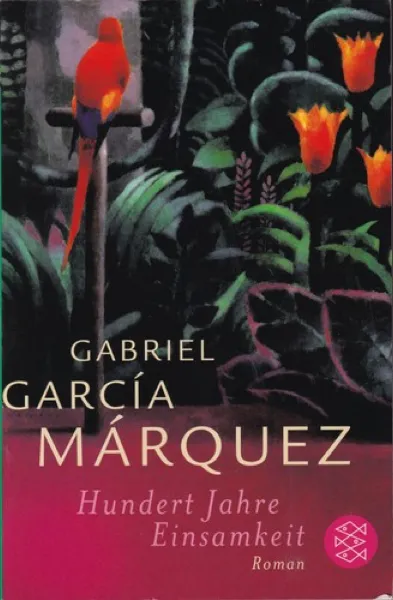
Gabriel García Márquez — One Hundred Years of Solitude (1967)
Three tenses in a single sentence, and the machinery of the whole book is in them: "Many years later, as he faced the firing squad, Colonel Aureliano Buendía was to remember that distant afternoon when his father took him to discover ice." Future, past and deeper past at once. Editorial Sudamericana published in 1967; Gregory Rabassa's English came in 1970, and more than 50 million copies have followed.
 Cien años de soledadGabriel García Márquez
 - 5
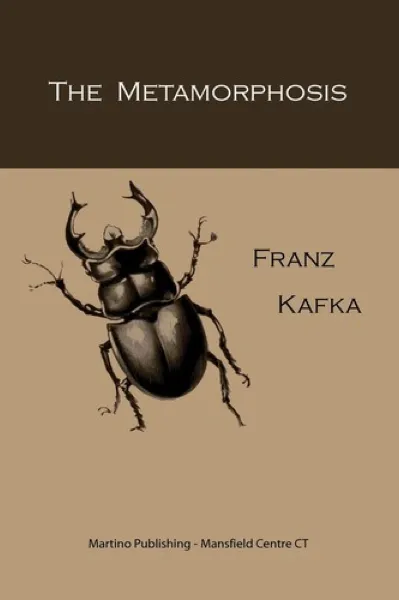
Franz Kafka — Metamorphosis (1915)
Gregor Samsa is transformed before the first sentence ends, which is why the rest can be about his family instead of him. David Wyllie's translation: "One morning, when Gregor Samsa woke from troubled dreams, he found himself transformed in his bed into a horrible vermin." Kafka's ungeheueres Ungeziefer has been Englished at least sixteen ways since Die Verwandlung appeared in October 1915, and the record linked here gathers rival versions, not Wyllie's alone.
 MetamorphosisFranz Kafka
 - 6
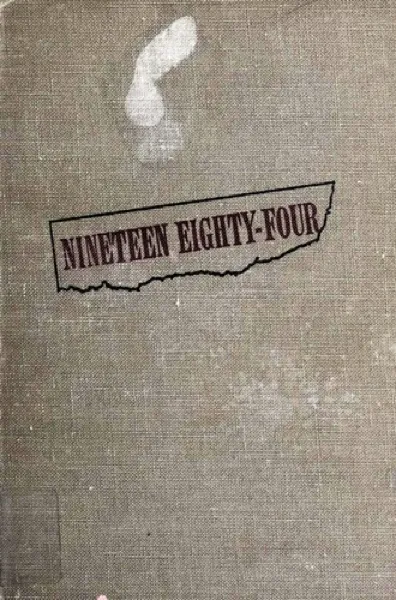
George Orwell — Nineteen Eighty-Four (1949)
Everything in the sentence is ordinary except one numeral: "It was a bright cold day in April, and the clocks were striking thirteen." Twelve would be weather; thirteen is a regime, and the century is declared broken before a character appears. Secker & Warburg published on 8 June 1949. Note the tense as well: were striking, not struck, so the bell is still going.
 Nineteen Eighty-FourGeorge Orwell
 - 7

Italo Calvino — If on a Winter's Night a Traveler (1979)
Second person, present tense, and the reader is conscripted: "You are about to begin reading Italo Calvino's new novel, If on a winter's night a traveler." Ten interrupted first chapters and a book-fraud conspiracy all depend on that sentence having already cast you as a character. The Italian original dates from 1979; William Weaver's English translation followed in 1981 and is the one everybody quotes.
 Se una notte d'inverno un viaggiatoreItalo Calvino
 - 8
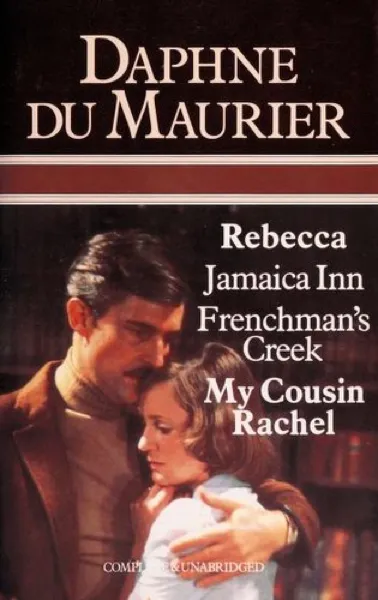
Daphne du Maurier — Rebecca (1938)
Dreamt, not dreamed, and past tense throughout: "Last night I dreamt I went to Manderley again." A house gets named before the narrator does, and she never gets a first name at all in the entire book. Victor Gollancz published in 1938. Virago's own extract prints no comma after night, though Wikipedia's article inserts one, so the sources genuinely disagree.
 RebeccaDaphne du Maurier
 - 9
Jane Austen — Pride and Prejudice (1813)
Nobody in the book actually believes it, which is the joke: "It is a truth universally acknowledged, that a single man in possession of a good fortune, must be in want of a wife." That second comma is in R. W. Chapman's text of the first edition, which T. Egerton published on 28 January 1813; modernized editions drop it. The opinion belongs to Meryton's mothers, not to any narrator, and free indirect speech starts there.
 Pride and PrejudiceJane Austen
 - 10
Ralph Ellison — Invisible Man (1952)
Five words that refuse to be a metaphor: "I am an invisible man." The invisibility turns out to be other people declining to see him, and the sentence states it flat before a single incident has earned it. Published in 1952, it took the National Book Award for Fiction the following year, the first given to an African American writer.
 Invisible ManRalph Ellison
 - 11
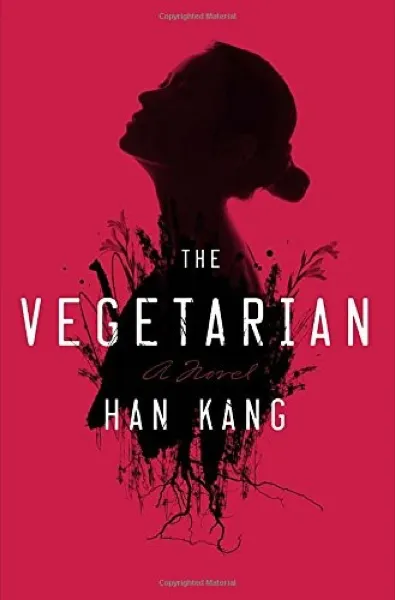
Han Kang — The Vegetarian (2007)
Notice who is speaking: "Before my wife turned vegetarian, I'd always thought of her as completely unremarkable in every way." Yeong-hye is the subject of the book and does not own its first sentence; her husband's contempt is the frame you have to read through. Deborah Smith's translation won the 2016 Man Booker International Prize and was afterwards contested in South Korea as closer to adaptation.
 채식주의자Han Kang
 - 12
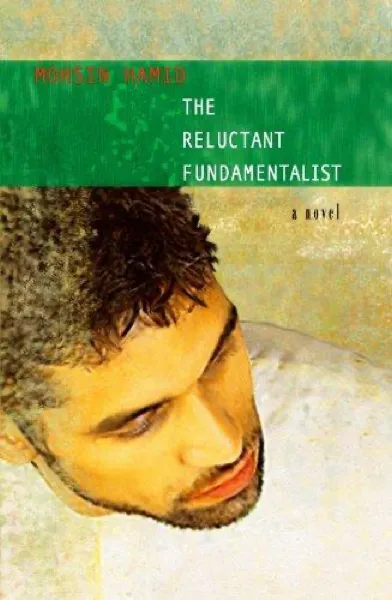
Mohsin Hamid — The Reluctant Fundamentalist (2007)
Somebody is being addressed, and it is you: "Excuse me, sir, but may I be of assistance?" Changez speaks every word of the book to a silent American in Lahore, so that first question quietly hands the reader a role and never gives it back. Shortlisted for the 2007 Booker Prize, and a dramatic monologue from beginning to end, which almost no novel sustains.
 The Reluctant FundamentalistMohsin Hamid
 - 13
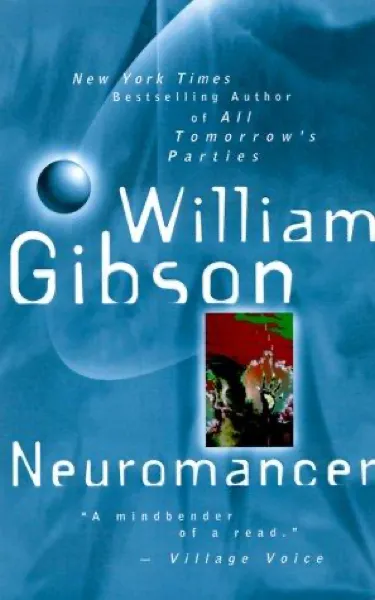
William Gibson — Neuromancer (1984)
Weather described as broken hardware, and the method of the entire book is in it: "The sky above the port was the color of television, tuned to a dead channel." Ace Books published on 1 July 1984. It has also quietly expired: a dead channel meant gray static then and means flat blue now, so the line now reads calm rather than sick.
 NeuromancerWilliam Gibson
 - 14
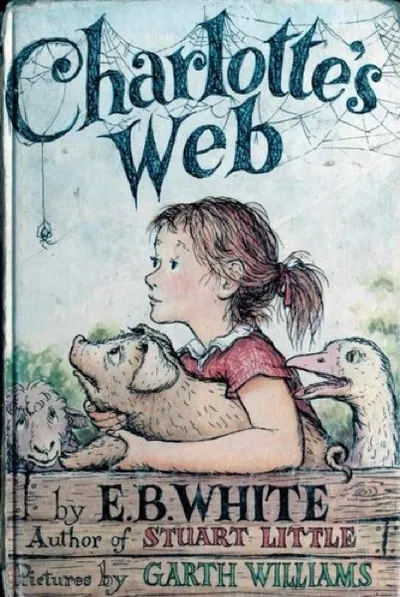
E. B. White — Charlotte's Web (1952)
Children's books are not supposed to open on an axe. "Where's Papa going with that ax?" puts a killing at the breakfast table before a single animal has spoken, and everything tender that follows is answering it. Harper & Brothers published on 15 October 1952 with Garth Williams's drawings; publicity for the 2006 film claimed sales above 45 million copies.
 Charlotte's WebE. B. White
 - 15
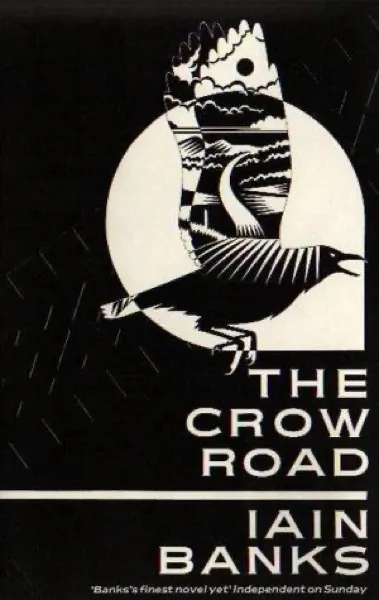
Iain Banks — The Crow Road (1992)
Comedy first, grief immediately afterwards, and that order is the tone of the whole novel: "It was the day my grandmother exploded." Abacus published in 1992. What follows is a family history full of deaths that refuse to stay funny, and the opening teaches you to laugh before it teaches you what laughing is going to cost.
 The Crow RoadIain Banks
 - 16
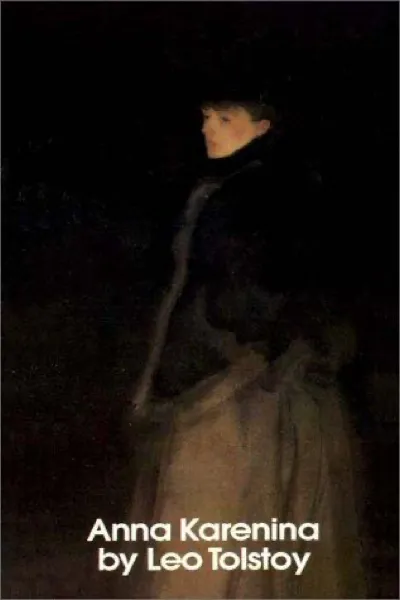
Leo Tolstoy — Anna Karenina (1878)
Placed last deliberately, because it is the most quoted sentence here and the least load-bearing: "Happy families are all alike; every unhappy family is unhappy in its own way," in Constance Garnett's 1901 translation for Heinemann. Serialized in The Russian Messenger from 1875 and published as a book in 1878, the novel then spends its length showing the Oblonskys, Karenins and Levins that the aphorism is too tidy. Vote it up if you disagree.
 Анна КаренинаЛев Толстой
How this list was ranked
Readers rank this list by voting items up and down. Items are ordered by reader votes.