Great Books Under 200 Pages
Eighteen books whose main text runs under 200 pages, across novels, novellas, essays and short nonfiction, ranked by how confidently I would hand one over. Vote the order around. Page counts move with the edition, sometimes by fifty pages or more, so every entry names the exact edition its number comes from: Hogarth's 1929 A Room of One's Own is 172 pages, while Norton's 1999 critical Wide Sargasso Sea reaches 270 only because of the criticism bolted on behind the novel. The ranking weighs how well a book has lasted against how much of the work its shortness is doing; ties went to whichever I would press on someone first. Two forms are deliberately out of scope: single-author short story collections, which have their own list in The Best Short Story Collections, and graphic novels, which have The Best Graphic Novels for First-Timers. Fiction outnumbers nonfiction roughly two to one, and the years run from 1929 to 2021.
Albert Camus — The Stranger (1942) is #1 on “Great Books Under 200 Pages”.
- 1
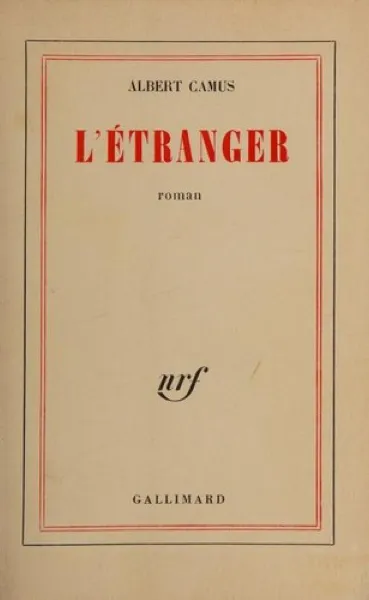
Albert Camus — The Stranger (1942)
Gallimard published L'Étranger in Paris on 19 May 1942; Knopf's 1957 American edition, in Stuart Gilbert's translation, runs 154 pages. Meursault shoots an unnamed Arab man on an Algiers beach, pauses, then fires four more times, and the trial that follows convicts him less for the killing than for not crying at his mother's funeral.
 L’étrangerAlbert Camus
 - 2
Juan Rulfo — Pedro Páramo (1955)
Comala is a town of the dead, and Preciado only works out halfway through that the voices he keeps hearing are not neighbors. Grove Press issued Douglas J. Weatherford's translation in 2023 at 144 pages. García Márquez said he could recite the whole book forwards and backwards, and you can watch One Hundred Years of Solitude being wired up here.
 Pedro PáramoJuan Rulfo
 - 3
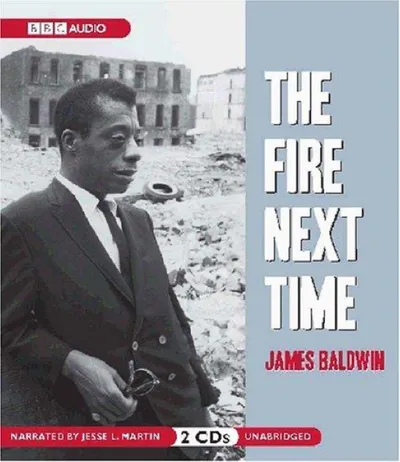
James Baldwin — The Fire Next Time (1963)
Two essays, published together by Dial Press in 1963. The first, a letter to Baldwin's fourteen-year-old nephew on the hundredth anniversary of the Emancipation, ran in The Progressive in December 1962; the second filled the New Yorker of 17 November that year. Michael Joseph's British first edition is 118 pages. Nothing written since on American race and religion has bettered the opening letter.
 The fire next timeJames Baldwin
 - 4
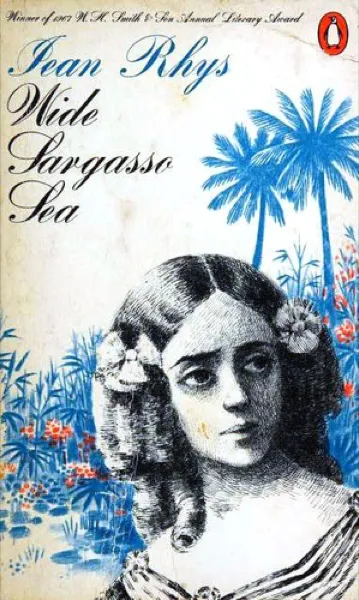
Jean Rhys — Wide Sargasso Sea (1966)
André Deutsch published it in October 1966, and it took the WH Smith Literary Award the following year after Rhys had spent decades out of print. Antoinette Cosway is the Creole heiress her husband renames Bertha before declaring her mad. Norton's 1967 US edition is 189 pages; the 1999 Norton Critical reaches 270 purely on apparatus.
Wide Sargasso SeaJean Rhys - 5
John Steinbeck — Of Mice and Men (1937)
Published in 1937, with a title lifted from Burns on the best-laid schemes going often awry. Pan's 1977 edition with Heinemann runs 98 pages, which is part of why it is assigned everywhere and challenged everywhere: the American Library Association put it fifth on its most-challenged list for 2000–2009. Carlson shooting Candy's old dog rehearses the ending early.
 Of Mice and MenJohn Steinbeck
 - 6
Claire Keegan — Small Things Like These (2021)
Bill Furlong sells coal and timber in New Ross, County Wexford, in December 1985, and finds a girl shut in the convent's coal shed. Faber published it on 21 October 2021; Grove Press's American edition runs 128 pages. It won the 2022 Orwell Prize for Political Fiction and made that year's Booker shortlist. Restraint is the method: one decision, barely argued.
 Small Things Like TheseClaire Keegan
 - 7
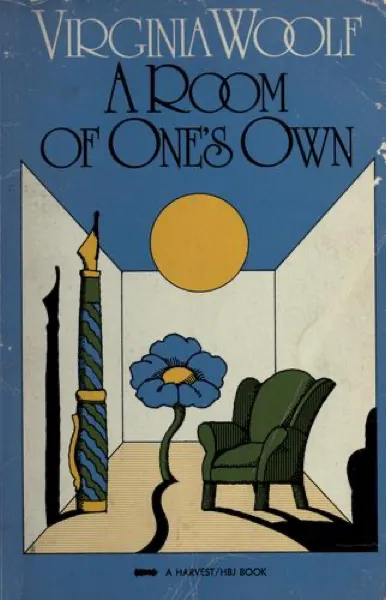
Virginia Woolf — A Room of One's Own (1929)
Built from two lectures given at Newnham and Girton on 20 and 26 October 1928, and published by Hogarth Press in 1929; the 172-page count comes from that first edition's collation, which the linked catalog does not hold. Judith Shakespeare, the invented sister with her brother's gifts and none of his exits, does the argument's real work, far more than the famous sentence about money and a room does.
 A Room of One's OwnVirginia Woolf
 - 8
Gabriel García Márquez — Chronicle of a Death Foretold (1981)
Everyone in town knows the Vicario twins mean to kill Santiago Nasar, and nobody stops them; the killing is announced immediately, and the pages go on why it happened anyway. La Oveja Negra published it in 1981, drawing on a 1951 killing in Sucre. Viking's English edition of 2008 runs 122 pages.
 Crónica de una muerte anunciadaGabriel García Márquez
 - 9
Nella Larsen — Passing (1929)
Knopf published it in April 1929. Irene Redfield runs into her childhood friend Clare Kendry on the roof restaurant of Chicago's Drayton Hotel, both of them passing for white in that moment, and the reunion wrecks them both. Penguin Classics's 2003 edition is 106 pages. Rebecca Hall's film premiered at Sundance in January 2021 and sent readers back to it.
 PassingNella Larsen
 - 10
Italo Calvino — Invisible Cities (1972)
Einaudi brought it out in Italy in 1972: fifty-five imagined cities described by Marco Polo to Kublai Khan and sorted into eleven recurring categories, among them Cities and Memory, Thin Cities and Cities and the Dead. Harcourt Brace Jovanovich's 1974 American edition runs 165 pages. Read three a night rather than straight through and it opens up.
 Le città invisibiliItalo Calvino
 - 11
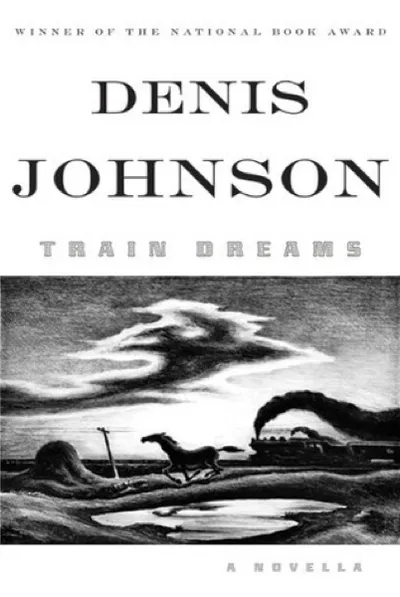
Denis Johnson — Train Dreams (2011)
Robert Grainier hauls timber and builds bridges in the Idaho Panhandle, loses his wife and daughter to fire in 1920, and lives on alone until November 1968. Farrar, Straus and Giroux published it as a book on 30 August 2011 at 116 pages, nine years after The Paris Review ran it. A finalist for the 2012 Pulitzer, the year no fiction prize was given.
 Train dreamsDenis Johnson
 - 12
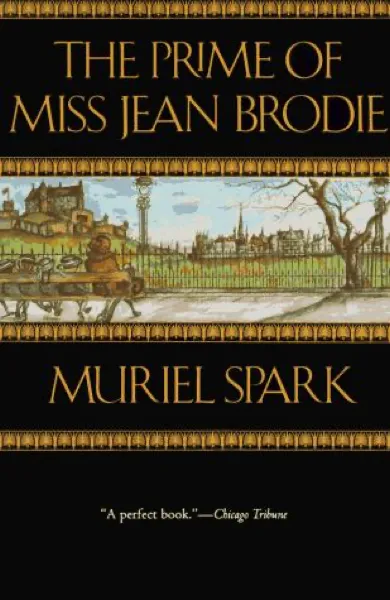
Muriel Spark — The Prime of Miss Jean Brodie (1961)
First printed whole in the New Yorker before Macmillan published it in 1961; Penguin's 1965 paperback runs 128 pages. Sandy Stranger ends her teacher's career by telling the headmistress that Brodie encourages fascism, and the Mussolini posters on the classroom wall back her up. Flash-forwards tell you she will betray Brodie long before she does.
 The Prime of Miss Jean BrodieMuriel Spark
 - 13
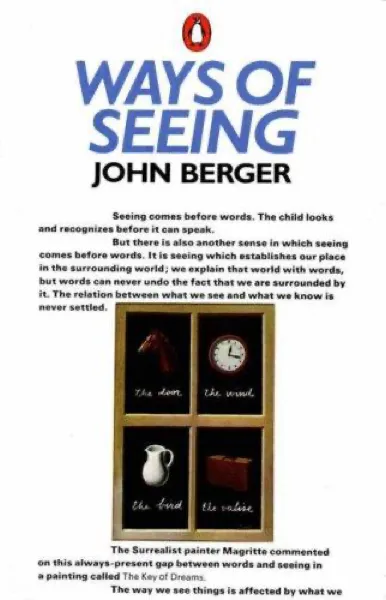
John Berger — Ways of Seeing (1972)
Adapted from the BBC Two series broadcast in January 1972 and published the same year by the BBC and Penguin at 166 pages. Three of the seven essays contain no words at all, only images. The argument about the female nude, that men act and women appear, with the picture arranged for a viewer assumed to be male, is where the male gaze comes from.
 Ways of SeeingJohn Berger
 - 14
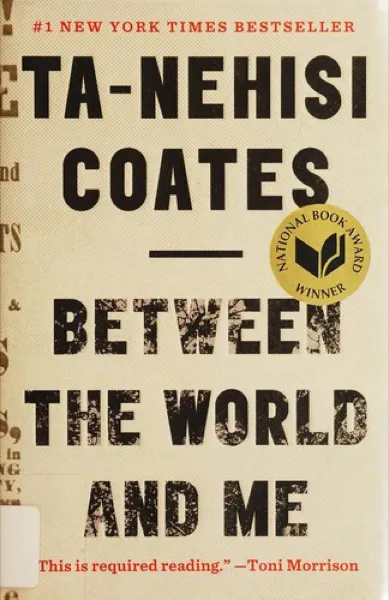
Ta-Nehisi Coates — Between the World and Me (2015)
Written as a letter to his teenage son Samori, on the model of Baldwin's book at number three here. Spiegel & Grau published it in 2015 at 152 pages and it won that year's National Book Award for Nonfiction. Prince Jones, the college friend shot dead by a policeman, is the fixed point everything else is measured against.
 Between the World and MeTa-Nehisi Coates
 - 15
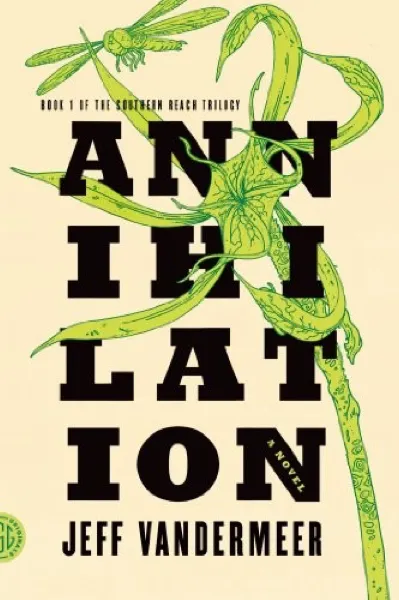
Jeff VanderMeer — Annihilation (2014)
Farrar, Straus and Giroux's paperback of 4 February 2014 runs 195 pages, and the compression is the whole effect: four unnamed women walk into Area X, the biologist finds a staircase going down, insists on calling it the Tower, and reads a sentence that never ends, its words growing out of the wall in living fungus. It took that year's Nebula and the Shirley Jackson Award. Nothing is explained, and at this length nothing needs to be.
 AnnihilationJeff VanderMeer
 - 16
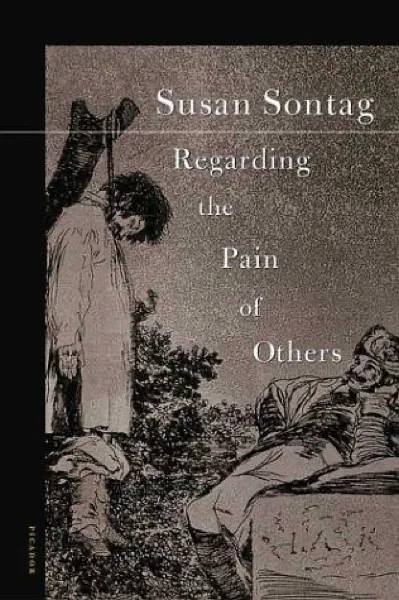
Susan Sontag — Regarding the Pain of Others (2003)
Farrar, Straus and Giroux published it in 2003 at 131 pages, and it was nominated for the National Book Critics Circle Award. Much of it revises On Photography, her own 1977 book, in public: she no longer believes that images numb us. Roger Fenton's sanitized pictures of the Crimean War are the example that sticks.
 Regarding the Pain of OthersSusan Sontag
 - 17
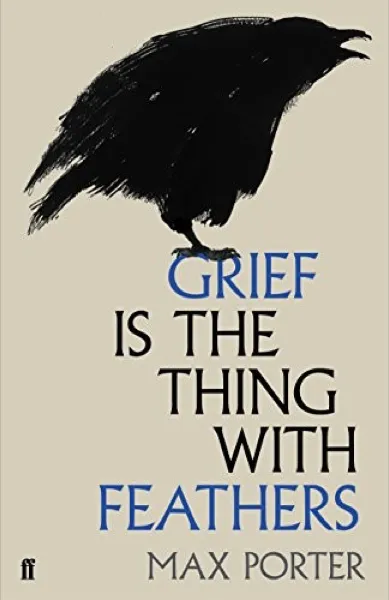
Max Porter — Grief Is the Thing with Feathers (2015)
Faber published it in 2015 at 114 pages and it won the 2016 Dylan Thomas Prize. Crow, lifted from Ted Hughes's 1970 collection, moves into a flat with a widowed father and two boys and refuses to leave until they can manage without him. Cillian Murphy played all three voices onstage in Enda Walsh's production.
 Grief is the thing with feathersMax Porter
 - 18
Timothy Snyder — On Tyranny (2017)
Twenty short lessons drawn from how European democracies fell in the twentieth century, published by Tim Duggan Books in 2017; Crown's edition runs 128 pages. Over 1.4 million copies had sold by July 2025, in a 47th printing. Defend institutions is the lesson people quote; remember professional ethics is the harder one, because it asks about your own working day.
 On TyrannyTimothy Snyder
How this list was ranked
Readers rank this list by voting items up and down. Items are ordered by reader votes.