The Most Overrated Classics — Fight Me
Fifteen canonical books that are not as good as their reputations, ranked to start an argument: the top three are placed wrong on purpose, so vote them straight. Every entry does two jobs. It names what actually fails, whether that is the prose, the structure, the politics or the central idea, and it names what to read instead, either by the same author or on the same subject. Nothing here is unread, the case is made in good faith, and the real virtue is conceded before the knife comes out. Eight of the fifteen still turn up on school syllabuses, which is the argument in miniature: a syllabus rewards a book for being short, teachable and full of tidy symbols, then reprints it forever, until forty years of essay questions get mistaken for greatness. Long books nobody finishes belong on a different list. Fight me in the votes.
F. Scott Fitzgerald — The Great Gatsby (1925) is #1 on “The Most Overrated Classics — Fight Me”.
- 1
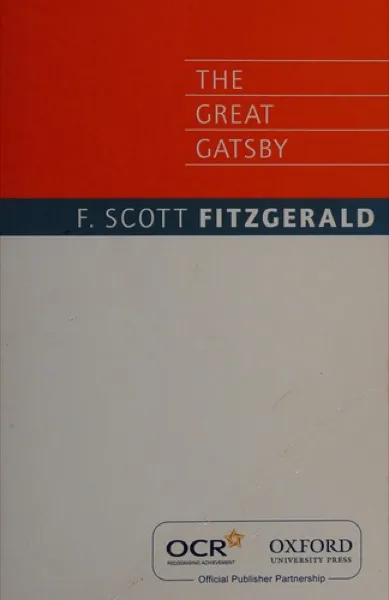
F. Scott Fitzgerald — The Great Gatsby (1925)
Prose that good is rare, and the last page earns its reputation twice over. Tender Is the Night, from April 1934, is the Fitzgerald with an adult inside it. Scribner's sold fewer than 20,000 copies of Gatsby by October 1925; canonisation came from 155,000 Armed Services copies sent overseas in the war, then from a syllabus that rewards short books with tidy symbols. Nick Carraway is a snob insisting he withholds judgement.
 The Great GatsbyF. Scott Fitzgerald
 - 2
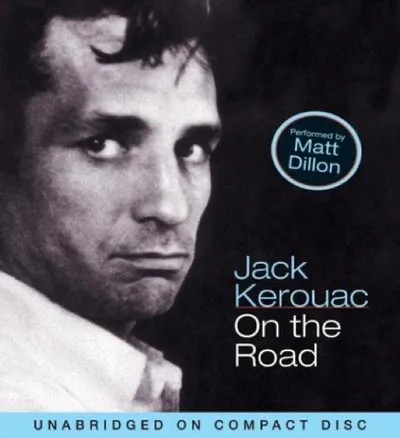
Jack Kerouac — On the Road (1957)
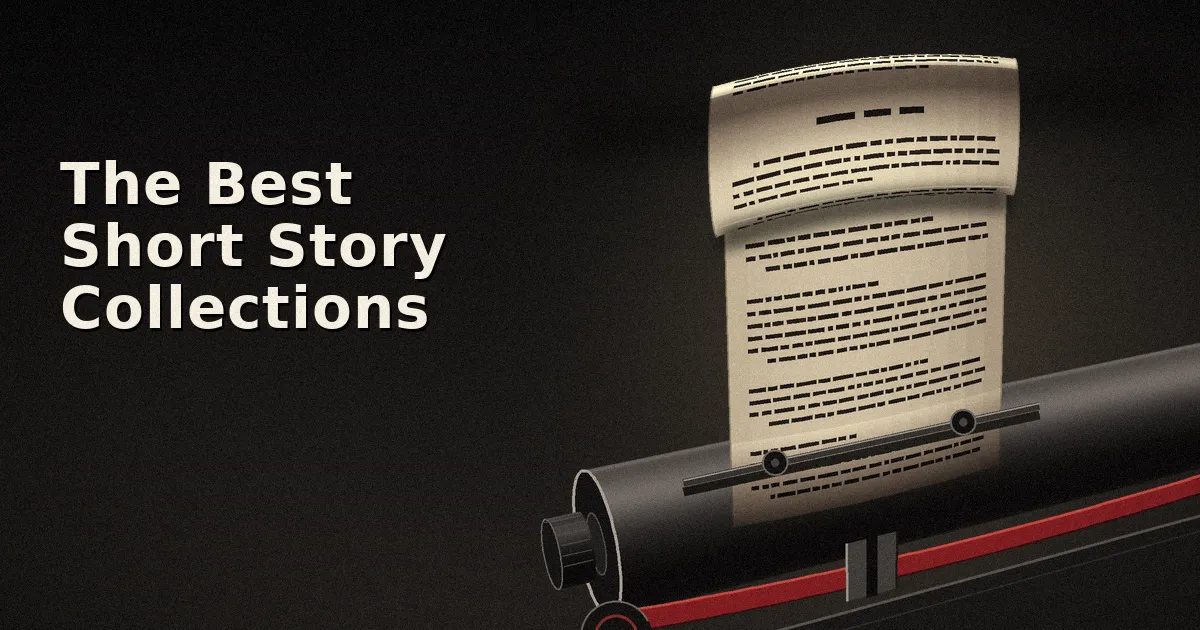
Typed across three weeks in April 1951 onto a 120-foot scroll, and the propulsion is real; nobody else writes movement like that. What ages badly is the moral arithmetic, in which women are scenery and Dean Moriarty's charm gets billed to everyone except Dean. Viking published on 5 September 1957. Joyce Johnson's Minor Characters, a 1983 National Book Critics Circle winner, tells those years from the other side.
 On The RoadJack Kerouac
 - 3
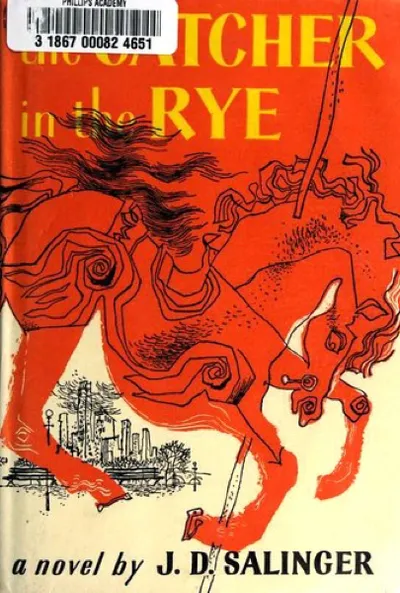
J. D. Salinger — The Catcher in the Rye (1951)
Holden's voice was a real invention, and Little, Brown published it on 16 July 1951 into a market holding nothing like it. Nine Stories, 1953, is where that voice grows up. By 1981 this was simultaneously the most censored and the second most taught book in American public schools, and assignment plus scandal is a reputation engine. Sixty-five million copies on, the phoniness detector reads as a sulk.
 The Catcher in the RyeJ. D. Salinger
 - 4
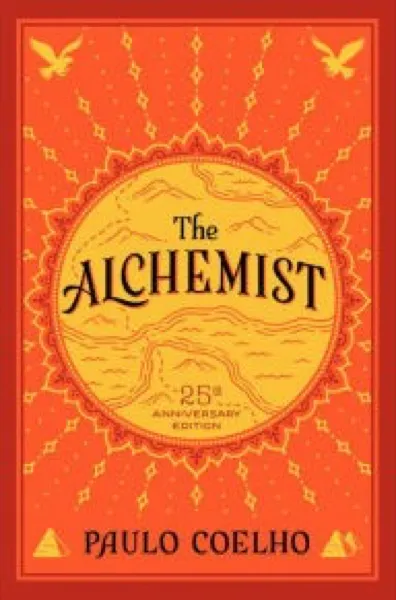
Paulo Coelho — The Alchemist (1988)
Rocco published O Alquimista in Brazil in 1988, and its generosity is not fake; it has walked plenty of people through bad years. But the story is folktale type 1645, The Treasure at Home, whose earliest known version is a thirteenth-century poem by Rumi, and Rumi does it in a fraction of the room. Santiago's omens run on horoscope logic. Go to the Rumi.
 O AlquimistaPaulo Coelho
 - 5
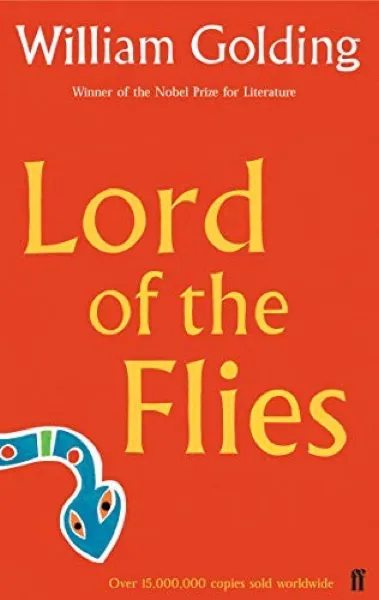
William Golding — Lord of the Flies (1954)
Faber took it in 1954 after many rejections, one reader calling it absurd, rubbish and dull, and the conch as a speaking-rights machine is fine engineering. The Inheritors, Faber, 1955, is the Golding that earns its bleakness. Here the thesis fails: six Tongan boys marooned on Ata in 1965 built a commune with a food garden and came home friends, and Rutger Bregman called this version unrealistic.
 Lord of the FliesWilliam Golding
 - 6
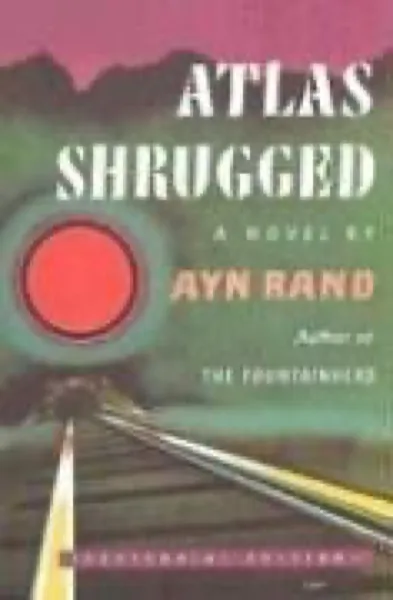
Ayn Rand — Atlas Shrugged (1957)
Dagny Taggart rebuilding a railroad is genuine competence writing, and Rand can plot a chapter. Anthem, from 1938, makes her case cleanly and without cheating. Cheating is the trouble here: nobody who disagrees is allowed to be a person, opponents are drawn as parasites, and an argument that picks its own opposition proves nothing. Whittaker Chambers, in National Review, said it could be called a novel only by devaluing the term.
 Atlas Shrugged (Centennial Ed. HC)Ayn Rand
 - 7
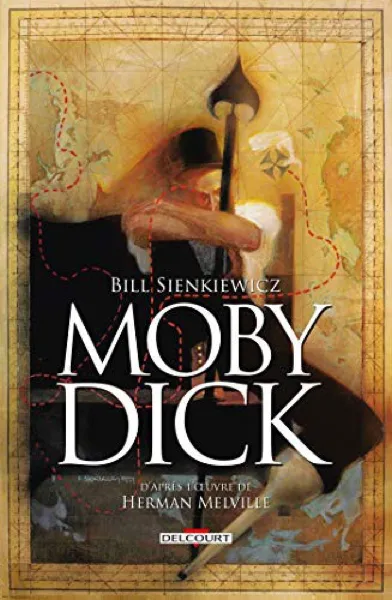
Herman Melville — Moby-Dick (1851)
Harper & Brothers published on 14 November 1851 to 3,215 lifetime sales, and the reputation was assembled by critics after the 1919 centennial rather than earned in the room. Sea writing this good is rare. Ahab is not: he is a thesis with a leg, arguing at the weather, and Ishmael quietly stops narrating his own book. Bartleby and Benito Cereno, gathered in The Piazza Tales, are the Melville that holds.
 Moby DickHerman Melville
 - 8
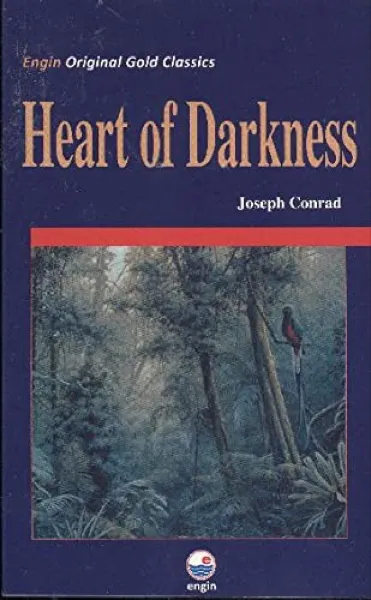
Joseph Conrad — Heart of Darkness (1899)
Blackwood's Magazine ran it across February, March and April 1899, and the sentence rhythms are extraordinary; nobody sensible denies that. Africa in it is a backdrop for a European nervous breakdown, which is the charge Chinua Achebe brought in his 1975 lecture at the University of Massachusetts Amherst, An Image of Africa: Racism in Conrad's Heart of Darkness. Read Things Fall Apart, Heinemann, 1958, where Okonkwo holds the center of his own story.
 Heart of DarknessJoseph Conrad
 - 9
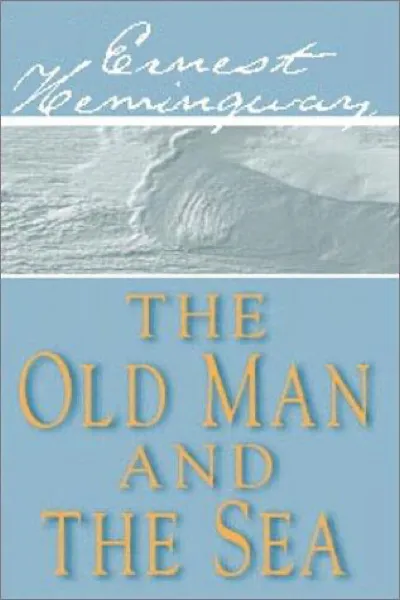
Ernest Hemingway — The Old Man and the Sea (1952)
Life printed the whole novella on 1 September 1952 and moved 5.3 million copies in two days; the Pulitzer followed in 1953, the Nobel in 1954. In Our Time, 1925, has Big Two-Hearted River and is the real thing. Santiago and the marlin are clean, but this is Hemingway impersonating Hemingway: iceberg theory with nothing under the water, and a moral pitched loud enough to need no reader.
 The Old Man and the SeaErnest Hemingway
 - 10
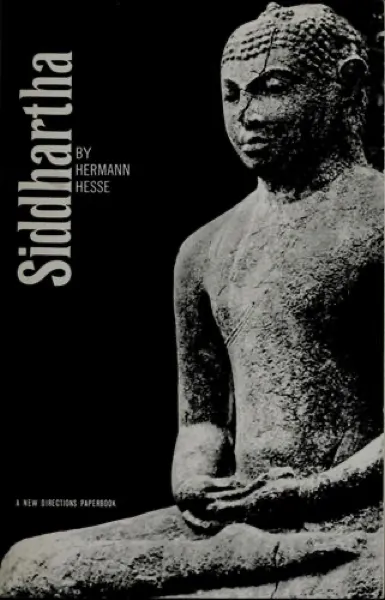
Hermann Hesse — Siddhartha (1922)
Published in Germany in 1922, it is honest about doubt in a way few novels manage, and Vasudeva the ferryman listening to the river is a real image. What it is not is India. The Hesse boom of the mid-1960s, Timothy Leary included, mistook a German seeker's parable for a religion. The Glass Bead Game, 1943, is the book the 1946 Nobel was actually for.
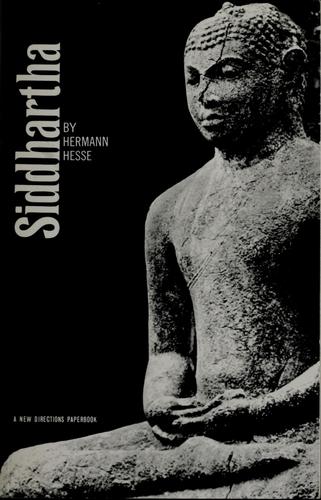 SiddharthaHermann Hesse
 - 11

Henry David Thoreau — Walden (1854)
Ticknor and Fields published on 9 August 1854, and the writing on ice, sound and light is as good as American nonfiction gets. Resistance to Civil Government, his essay of 1849, is where the same man puts his convictions somewhere costly. Self-reliance here is a pose: the woodlot belonged to Ralph Waldo Emerson, the stay ran two years, two months and two days, and he walked into Concord several times a week.
 WaldenHenry David Thoreau
 - 12
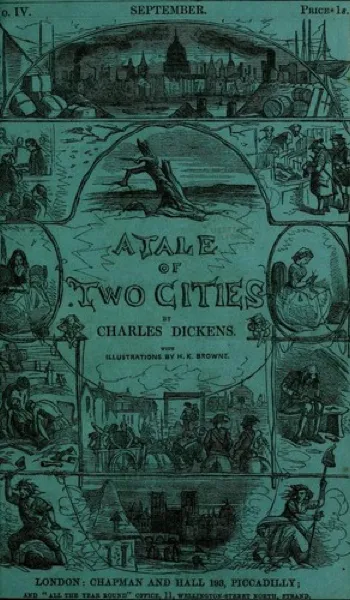
Charles Dickens — A Tale of Two Cities (1859)
Serialized in 31 weekly instalments from 30 April 1859 in All the Year Round, the magazine Dickens founded, and Sydney Carton's last act still works. Everything else Dickens is loved for is missing: the comedy, the crowd of minor grotesques, the sentences that wander somewhere better. Madame Defarge knits, and that is her character. Bleak House, serialized from 12 March 1852, has the lot.
 A Tale of Two CitiesCharles Dickens
 - 13
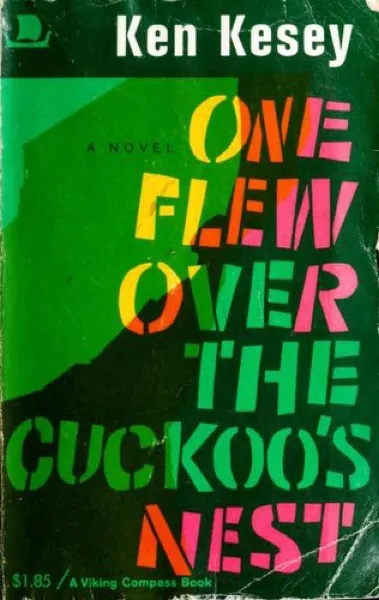
Ken Kesey — One Flew Over the Cuckoo's Nest (1962)
Written out of graveyard shifts as an orderly in a Menlo Park mental hospital, where Kesey took mescaline and LSD in Project MKUltra trials, and Chief Bromden's fog is superb first-person work. Janet Frame's Faces in the Water, 1961, was written from inside the bed rather than beside it. Viking published Kesey in 1962 with a politics holding that sanity means virility and a ward is ruined by a woman.
 One Flew Over the Cuckoo's NestKen Kesey
 - 14
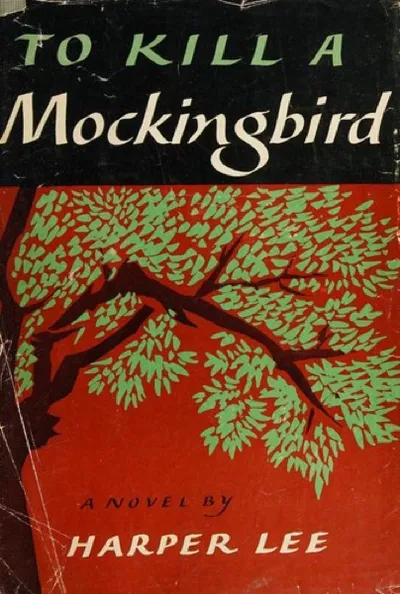
Harper Lee — To Kill a Mockingbird (1960)
Lippincott published on 11 July 1960 and the Pulitzer arrived in 1961; a 2008 survey found it the most widely read book in American grades 9 to 12, which is exactly the machine that inflates a reputation. Go Set a Watchman, 14 July 2015, shows the Atticus who was always there. Scout's narration is superb; the racial imagination is not, and Tom Robinson barely speaks.
 To Kill a MockingbirdHarper Lee
 - 15
Emily Brontë — Wuthering Heights (1847)
Thomas Cautley Newby issued it in 1847 under the name Ellis Bell, filling two volumes of a three-volume set, and the moor writing is unmatched. Sold ever since as the great romance, it is a book about a man who digs up a grave. Its frame, Lockwood hearing Nelly Dean, keeps everything two removes away. Read Anne Brontë's Agnes Grey, volume three of that same set.
 Wuthering HeightsEmily Brontë
How this list was ranked
Readers rank this list by voting items up and down. Items are ordered by reader votes.