The Best Historical Fiction of the 21st Century
Fifteen novels published between 2000 and 2026 and set in a past their authors never lived through, ranked and open to your votes if you would reorder them. The eligibility rule is the Walter Scott Prize's: the main events sit more than sixty years before publication, or else entirely outside the author's own adult life. That is why Half of a Yellow Sun qualifies on Adichie's 1977 birth rather than on the calendar, and why a novel set in 1990 and published in 2020 does not. Ranking is not prize weight; prizes only corroborate. What lifts a book is how much past it rebuilds and how far it will go to be strange about it, so smoothness counts against: a Booker winner sits below a National Book Award finalist, and a Pulitzer winner comes last. One novel per author, which keeps Bring Up the Bodies off. The Second World War is capped at three titles: it is the crowded corner that usually swallows a list like this. Two translators are named because the English is theirs.
Hilary Mantel — Wolf Hall (2009) is #1 on “The Best Historical Fiction of the 21st Century”.
- 1
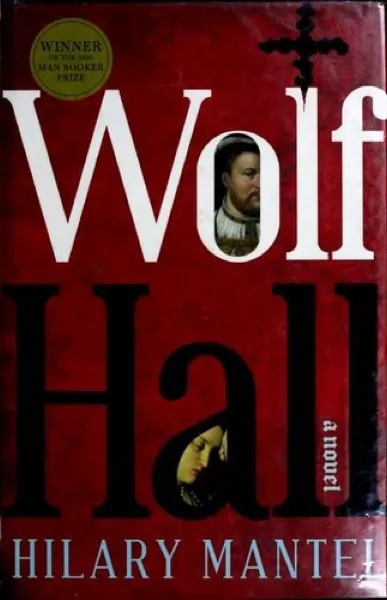
Hilary Mantel — Wolf Hall (2009)
Booker Prize 2009, and then the inaugural Walter Scott Prize for Historical Fiction in 2010; Fourth Estate had published it that first year. Thomas Cromwell runs from his father Walter's boots in Putney in 1500 and ends up managing Henry VIII's conscience across the next thirty-five years. Mantel's trick is the present tense plus a floating pronoun: you are inside Cromwell's head well before you know whose head it is.
 Wolf HallHilary Mantel
 - 2
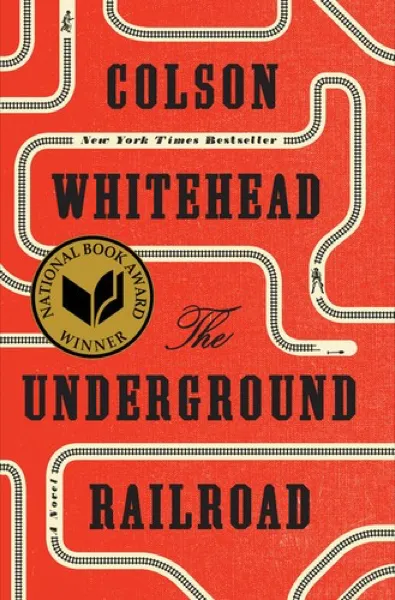
Colson Whitehead — The Underground Railroad (2016)
Doubleday brought it out in 2016; the National Book Award came that November and the Pulitzer in 2017. Whitehead's conceit is literal: Cora climbs down a hatch in Georgia and finds locomotives and station agents running under the fields, and every state she surfaces in, South Carolina then North Carolina then Tennessee then Indiana, runs a different experiment on Black life. The geography is an argument, not a map.
 The Underground RailroadColson Whitehead
 - 3
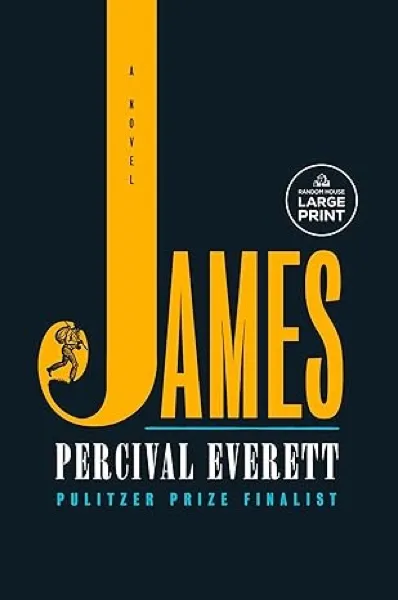
Percival Everett — James (2024)
Winner of the 2024 National Book Award for Fiction and the 2025 Pulitzer, out from Doubleday in 2024. Jim narrates his own run down the Mississippi from Hannibal, and the central invention is a language: the enslaved speak plain English among themselves and switch to a broken patois whenever a white person is near, drilling their children in it like a fire escape. The joke turns lethal by the halfway mark.
 JamesPercival L. Everett
 - 4
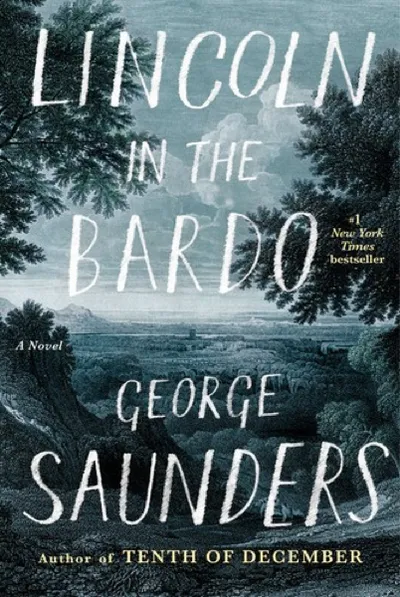
George Saunders — Lincoln in the Bardo (2017)
Random House published it on 14 February 2017 and it won that year's Booker Prize. Across one night in 1862, in the Oak Hill Cemetery crypt where Willie Lincoln has just been laid, a cast of 166 characters argues over a grieving president who keeps coming back to hold the body. Saunders builds the whole thing out of citations, real memoirs and invented ones side by side, until the historical record itself wobbles.
 Lincoln in the BardoGeorge Saunders
 - 5
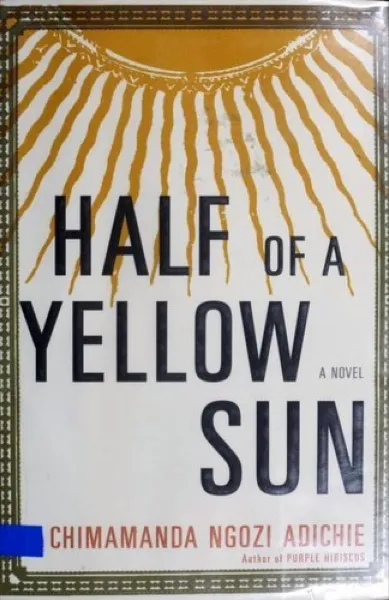
Chimamanda Ngozi Adichie — Half of a Yellow Sun (2006)
Fourth Estate published it in 2006; it won the Women's Prize for Fiction in 2007 and in 2020 was voted the best book to have taken that prize in its first twenty-five years. Biafra secedes, and the war is watched from Nsukka and then Umuahia by Ugwu, a teenage houseboy who arrives barely able to read. Adichie was born in 1977, seven years after the surrender.
 Half of a Yellow SunChimamanda Ngozi Adichie
 - 6
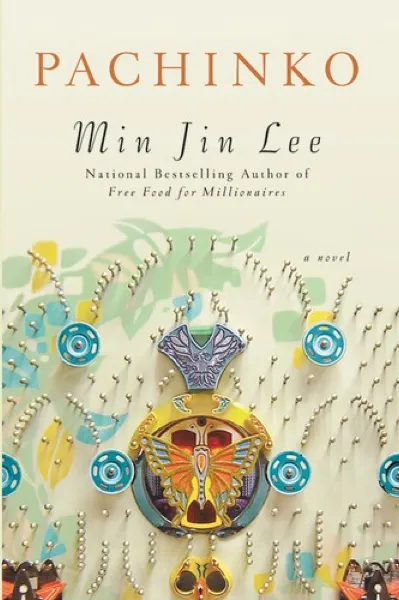
Min Jin Lee — Pachinko (2017)
Grand Central published it in 2017; a National Book Award finalist, and in 2024 the New York Times put it fifteenth on its hundred best books of the century so far. Sunja, pregnant and unmarried on Yeongdo, accepts a sick minister's offer of marriage and a passage to Osaka. Closing chapters reach 1989 and the center of gravity is 1910 to 1945, but the war here is weather rather than subject, so it is not a fourth war novel.
 PachinkoMin Jin Lee
 - 7
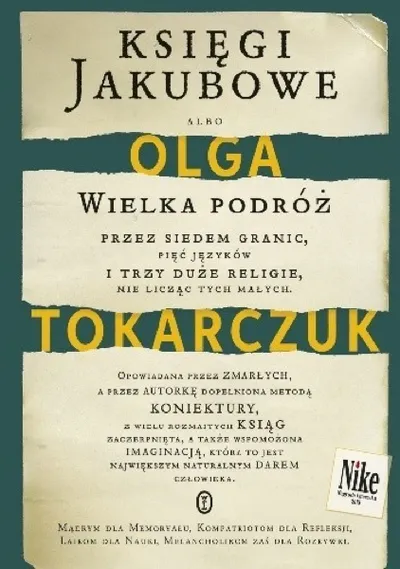
Olga Tokarczuk — The Books of Jacob (2014)
Wydawnictwo Literackie published the Polish in October 2014 and it took the Nike Award in 2015; Jennifer Croft's English came from Fitzcarraldo on 15 November 2021 and was shortlisted for the International Booker in 2022. Nine hundred pages follow Jacob Frank, a Podolian Jew who declared himself the messiah, from Rohatyn in 1752 through mass conversion and disgrace. Croft has to carry three religions and four languages at once.
 Księgi JakuboweOlga Tokarczuk
 - 8
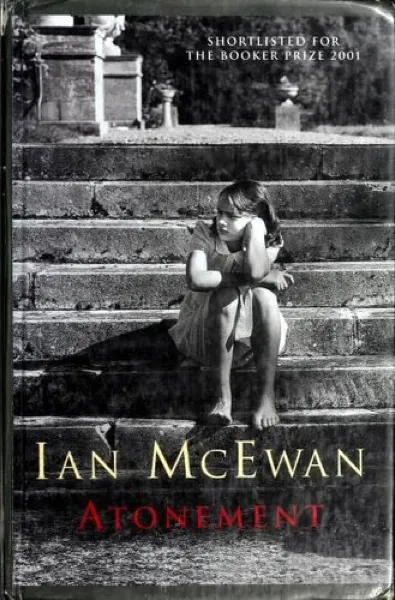
Ian McEwan — Atonement (2001)
Jonathan Cape published it in 2001; it took the National Book Critics Circle Award for Fiction in 2002 after losing the Booker. Three settings, a hot English country house in 1935, the retreat to Dunkirk in 1940 and a London hospital ward, hang on one afternoon when thirteen-year-old Briony reads a letter Robbie never meant to send, and then gives her account of what she sees after dark. First of exactly three Second World War novels here.
 AtonementIan McEwan
 - 9
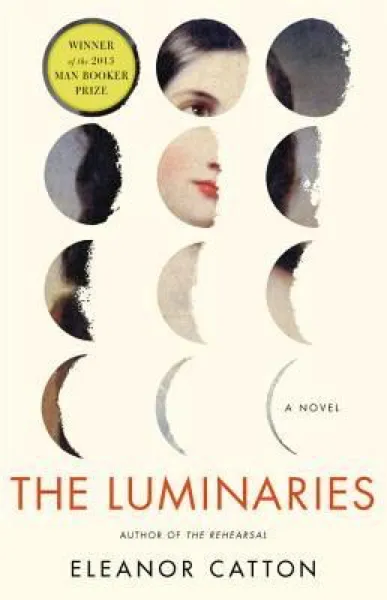
Eleanor Catton — The Luminaries (2013)
Hokitika, a goldfield boom town on New Zealand's South Island in 1866, where twelve men meet in a hotel smoking room to compare accounts of a death, a fortune and a missing prospector. Catton took the Booker in 2013 at twenty-eight, still the youngest winner. Each of the twelve carries a zodiac sign and the twelve parts halve in length; the structure does work the goldfield should be doing, which is why an outright Booker sits at nine.
 The LuminariesEleanor Catton
 - 10
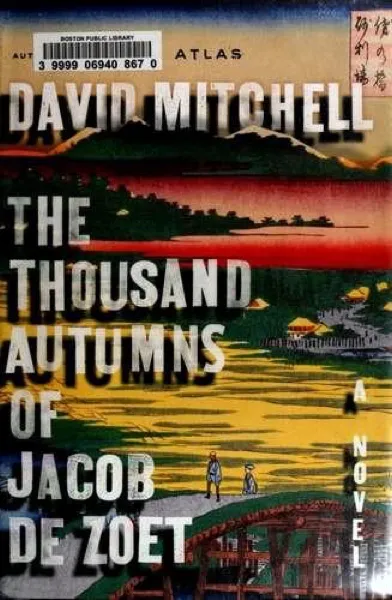
David Mitchell — The Thousand Autumns of Jacob de Zoet (2010)
Sceptre published it on 13 May 2010, and the Walter Scott Prize shortlist followed in 2011. Dejima, the fan-shaped artificial island in Nagasaki harbor, was the only ground Europeans could legally stand on in sakoku Japan; in 1799 a Dutch clerk arrives to audit the company's books and falls for Orito Aibagawa, a midwife with a burn scar. Mitchell makes the language barrier the actual plot.
The Thousand Autumns of Jacob de ZoetDavid Mitchell - 11
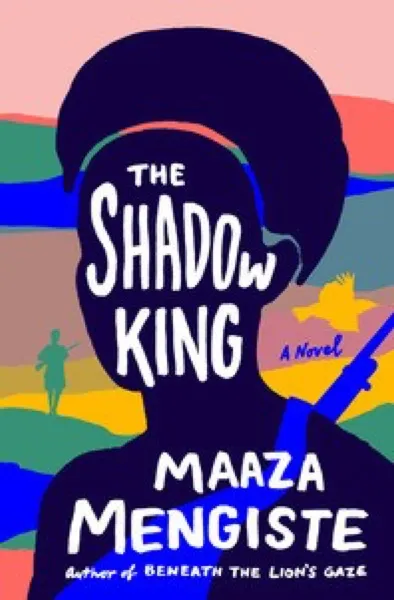
Maaza Mengiste — The Shadow King (2019)
W. W. Norton published it on 24 September 2019 and the Booker shortlist followed in 2020. Italy invades Ethiopia in 1935, Haile Selassie goes into exile, and Hirut, a servant, dresses a peasant in the emperor's clothes and guards him so the army has someone to march behind. Not counted against the three-novel Second World War cap here, because Mussolini's invasion started four years ahead of Poland's.
 The Shadow KingMaaza Mengiste
 - 12
Laurent Binet — HHhH (2010)
Grasset published the French in 2010 and it won the Prix Goncourt du Premier Roman that year; Sam Taylor's English came from Farrar, Straus and Giroux on 24 April 2012. Operation Anthropoid, Prague 1942: Jozef Gabčík and Jan Kubiš are parachuted in to kill Reinhard Heydrich. Binet keeps interrupting to admit which details he invented, and the confession is what makes the killing land. Second of the three war novels.
 HHhHLaurent Binet
 - 13
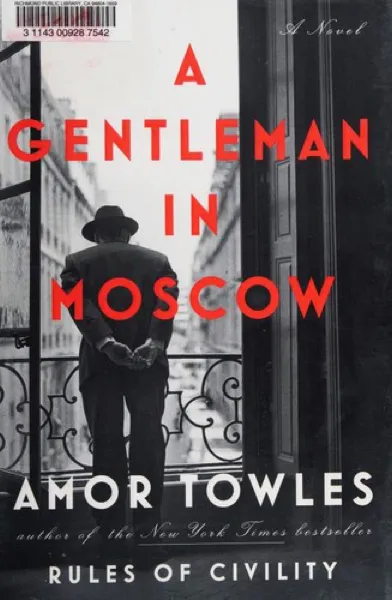
Amor Towles — A Gentleman in Moscow (2016)
Viking published it in 2016. Count Alexander Rostov is sentenced by a Bolshevik tribunal to house arrest inside the Hotel Metropol, moved out of his suite and up into a servant's room on the sixth floor, and stays there for decades while the country changes underneath him. Towles sets the chapter intervals doubling and then halving, which is why a book about one building never feels stuck.
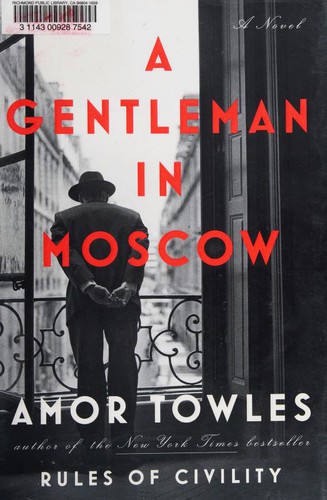 A Gentleman in MoscowAmor Towles
 - 14
Ferdia Lennon — Glorious Exploits (2024)
Syracuse, 412 BCE: Athens has lost its Sicilian expedition and the captured Athenians are dying in a quarry. Gelon and Lampo, two unemployed potters, feed them and in exchange make them perform Euripides in the pit. Fig Tree published it in 2024; it won the Waterstones Debut Fiction Prize and was shortlisted, not a winner, for the 2025 Walter Scott Prize for Historical Fiction. The Dublin-pub dialogue is the whole bet.
Glorious ExploitsFerdia Lennon - 15
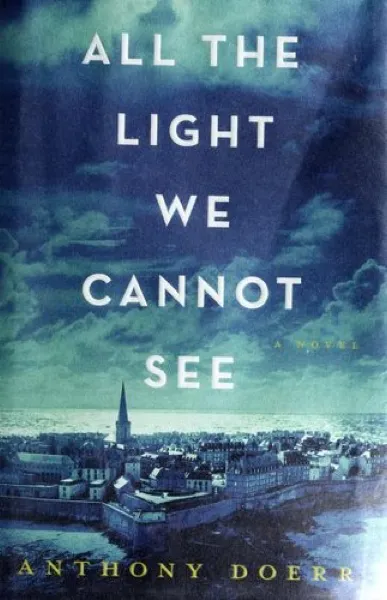
Anthony Doerr — All the Light We Cannot See (2014)
Pulitzer Prize for Fiction 2015; Scribner published it on 6 May 2014. Marie-Laure, blind since six, learns Saint-Malo from a wooden scale model her father carves street by street, while Werner, a German orphan with a gift for radio, tracks illegal transmitters toward the same walled town. Last on this list's own measure: the most polished of the three war novels, and the least strange.
 All the Light We Cannot SeeAnthony Doerr
How this list was ranked
Readers rank this list by voting items up and down. Items are ordered by reader votes.