Poetry Collections for People Who 'Don't Read Poetry'
Fourteen single-poet books ranked by how fast a first-time reader gets a foothold, so vote the order around if a different one opened the door for you. Anthologies and multi-poet selections are out: every book here is one writer's, cover to cover, which is why no Norton and no Best American turns up. A Selected or a Collected by one poet counts. The bar was simple, and it did the real work: nothing here needs a footnote to land, so private mythology and classical allusion were left at the door. Each item names one poem to start with and says what that poem does. Links go to the collection's catalog record rather than to a poem, because a poem has no record of its own. Five of the fourteen were published since 2010 and four predate 1960; three are translations, and the translators are named, since in a translated poem the English belongs to them.
Mary Oliver — Devotions (2017) is #1 on “Poetry Collections for People Who 'Don't Read Poetry'”.
- 1
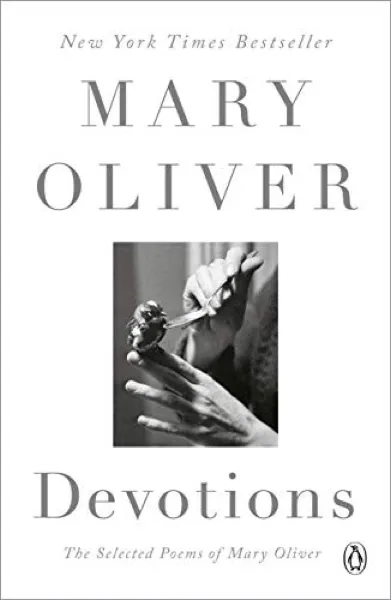
Mary Oliver — Devotions (2017)
Wild Geese is the way in: it opens You do not have to be good, then spends twenty-odd lines refusing to ask anything else of you. Penguin Press gathered 455 pages of poems the poet chose herself, reaching back to 1963, and she had already taken the 1984 Pulitzer for American Primitive. Nobody has converted more skeptics, because the plain nature writing survives being read aloud cold.
 DevotionsMary Oliver
 - 2

Ocean Vuong — Night Sky with Exit Wounds (2016)
Someday I'll Love Ocean Vuong begins with the poet saying his own name back to himself, telling Ocean not to be afraid, and the rest of it argues him into staying alive in the second person. Copper Canyon Press published the book in 2016 and the T. S. Eliot Prize followed in 2017. War, a father's hands and a Vietnamese grandmother recur, and none of it asks you to know anything first.
 Night sky with exit woundsOcean Vuong
 - 3
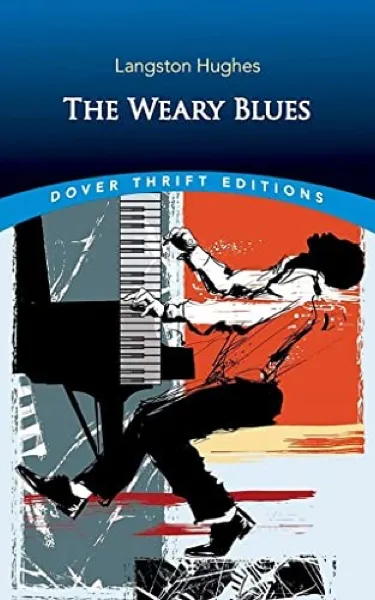
Langston Hughes — The Weary Blues (1926)
Lyrics lifted from the blues sit inside the verse and are left to do their own work in the title poem, where a pianist on Lenox Avenue plays late and the writing simply listens. Opportunity magazine printed that poem in 1925 and gave it the prize for best poem of the year; Knopf published the book in 1926. Small vocabulary, big swing, and the surest first door into American poetry.
 The weary bluesLangston Hughes
 - 4

Wisława Szymborska — View with a Grain of Sand (1995)
Cat in an Empty Apartment is spoken by the cat, padding round a flat whose owner has died and flatly refusing to accept the arrangement. It is the least sentimental grief poem here, and it sits on page 189, in the stretch drawn from her 1993 book. Stanisław Barańczak and Clare Cavanagh translated this 1995 Harcourt Brace selection; she published fewer than 350 poems in her whole life and took the Nobel in 1996.
 View with a grain of sandWisława Szymborska
 - 5
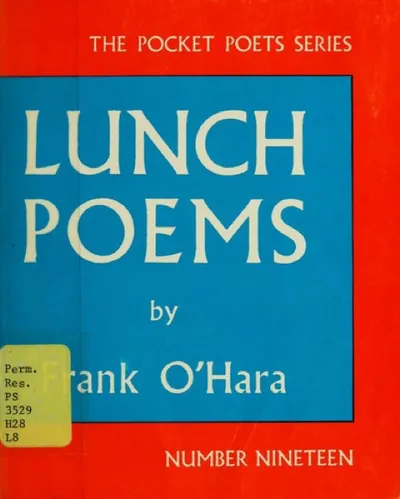
Frank O'Hara — Lunch Poems (1964)
City Lights put this out in 1964 as number 19 in the Pocket Poets Series, and the poems are what the title says: written on a break, about a break. The Day Lady Died starts at 12:20 on a Friday in 1959, runs through an errand list of shoeshine, bank and bookshop, then stops dead at a newspaper photograph of Billie Holiday. Nothing in it needs explaining.
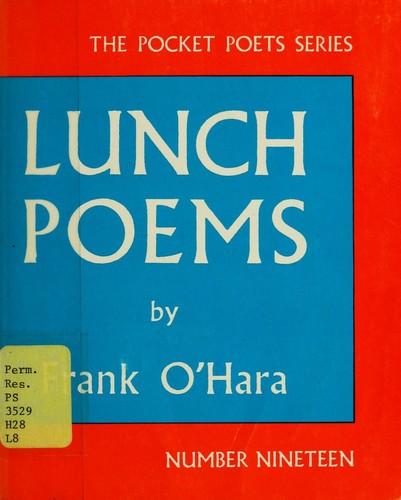 Lunch poemsFrank O'Hara
 - 6
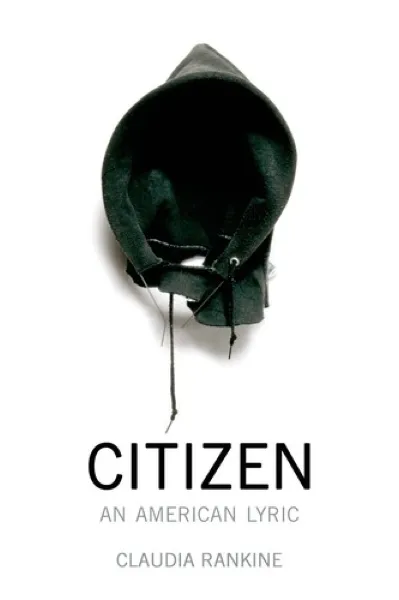
Claudia Rankine — Citizen: An American Lyric (2014)
Most of it is prose, set in the second person, which is exactly why it works on readers who bounce off poems in lines. Graywolf Press published it in 2014; it took the National Book Critics Circle Award for Poetry that year and the Forward Prize for Best Collection in 2015. Chapter two turns to Serena Williams and the officiating she has absorbed, and the accumulation is the argument.
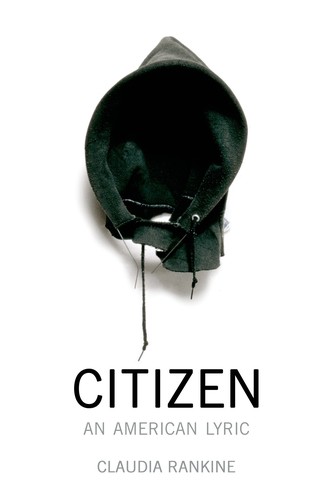 CitizenClaudia Rankine
 - 7
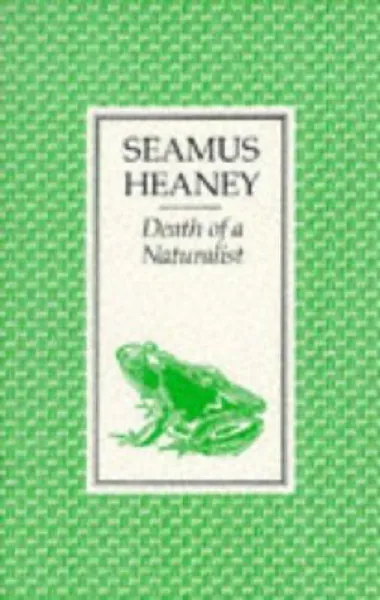
Seamus Heaney — Death of a Naturalist (1966)
Digging settles the question of what a farmer's son is doing with a pen: between his finger and his thumb the squat pen rests, and he says he will dig with it. Faber published the book in 1966 and it collected the Geoffrey Faber Memorial Prize; the Nobel followed in 1995. Frogspawn, turf, blackberries going rotten in a byre, described exactly and needing no scaffolding.
 Death of a naturalistSeamus Heaney
 - 8
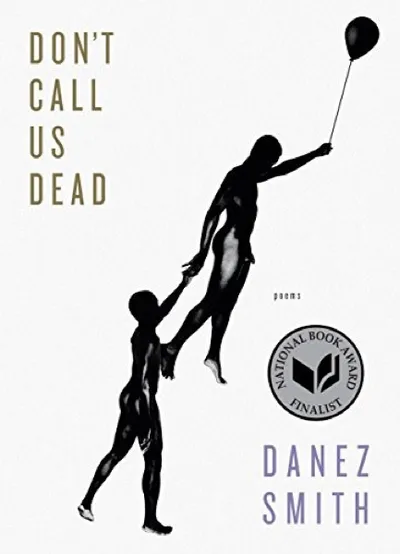
Danez Smith — Don't Call Us Dead (2017)
Opening sequence summer, somewhere builds an afterlife for Black men shot by police, a place where the wound is undone and the boys are given the age they were owed. Graywolf Press published the book on 5 September 2017; it was a National Book Award finalist that year and won the Forward Prize for Best Collection in 2018. Read it aloud, because the rhythm carries a first-timer through.
 Don't Call Us DeadDanez Smith
 - 9
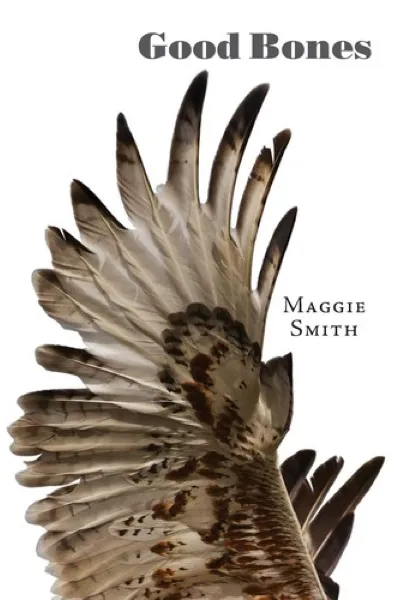
Maggie Smith — Good Bones (2017)
Waxwing published the title poem in June 2016; after the Orlando nightclub shooting it went round the internet until Public Radio International called it the official poem of 2016, and Tupelo Press built the book around it in 2017. A mother works out how much of the world to admit to her children, then hands the job to an estate agent selling a wreck. Plain, short, lands first time.
 Good BonesMaggie Smith
 - 10
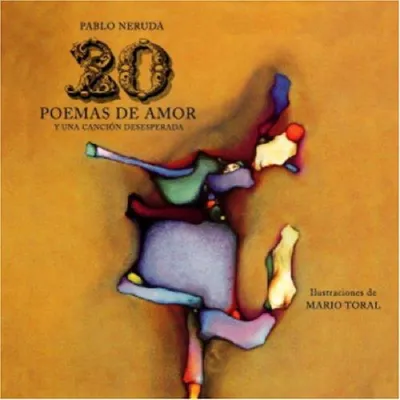
Pablo Neruda — Twenty Love Poems and a Song of Despair (1924)
Written by a nineteen-year-old and published in June 1924, and still the book most often pushed on someone who says verse is not for them. Poem XX, tonight I can write the saddest lines, circles one sentence until it wears out, which is what an actual heartbreak does. W. S. Merwin's 1969 English is the version to read; the catalog holds the record under the Spanish title, Veinte poemas de amor y una canción desesperada.
 Veinte poemas de amor y una canción desesperadaPablo Neruda
 - 11
Gwendolyn Brooks — A Street in Bronzeville (1945)
Harper & Brothers published these poems in 1945, five years before Brooks became the first African American to win a Pulitzer. Kitchenette building asks whether a dream could survive in a place of onion fumes and a shared bathroom down the hall, and puts the question entirely in domestic nouns. Bronzeville was a real neighborhood on the South Side of Chicago, and the book works down it door by door.
A Street in BronzevilleGwendolyn Brooks - 12
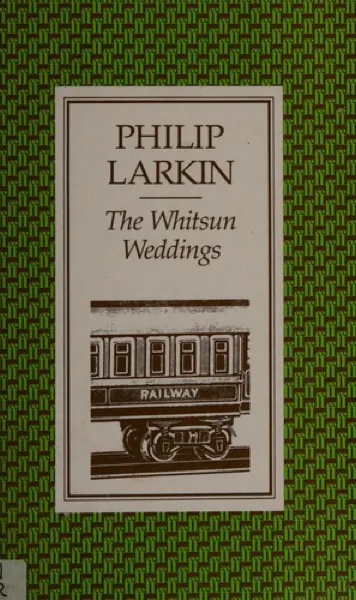
Philip Larkin — The Whitsun Weddings (1964)
Faber published thirty-two poems on 28 February 1964, and the grumpiest man in English verse spends most of them being unexpectedly moved. An Arundel Tomb looks at two stone effigies in Chichester Cathedral holding hands, decides the gesture was probably the sculptor's idea rather than theirs, and still ends with what will survive of us is love. That refusal to let himself off is why he reads so easily.
 The Whitsun weddingsPhilip Larkin
 - 13
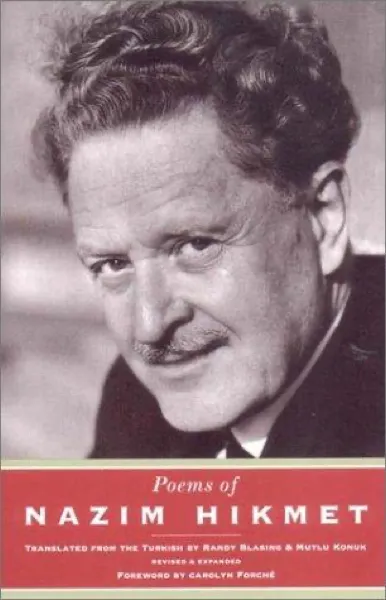
Nâzım Hikmet — Poems of Nazim Hikmet (2002)
Living is no laughing matter, On Living begins, you must live with great seriousness, like a squirrel, and from there it talks a prisoner back into wanting the world. Randy Blasing and Mutlu Konuk translated this Persea Books selection, revised and expanded to 288 pages for the edition of May 2002, with a foreword by Carolyn Forché. Turkey revoked his citizenship on 25 July 1951 and restored it in 2009.
 Poems of Nazim HikmetNâzım Hikmet
 - 14
Robert Frost — North of Boston (1914)
David Nutt published these sixteen poems in London in 1914. Mending Wall sets one line against another, something there is that doesn't love a wall against good fences make good neighbors, then declines to say which neighbor is right, which is why both sides of every argument have quoted it since. Blank verse pitched to sound like two people talking across a field, and it does.
 North of BostonRobert Frost
How this list was ranked
Readers rank this list by voting items up and down. Items are ordered by reader votes.