The Best Plot Twists in Fiction
Fourteen novels built around a turn, ranked to start an argument: the top two are wrong on purpose and the two everybody names sit at three and four, so vote them straight. Nothing here is spoiled: not the turn, not its direction, not the character it lands on. Every entry describes machinery only: where in the book the break sits, how long the setup runs, what the author paid in advance, and what a second reading costs. The one thing a list like this cannot help giving away is that a turn is coming at all, so it assumes you accept that trade before you scroll. Nine of the fourteen are not crime novels, which is the argument: the twist is a device available to any writer, not a genre's property. Left out on purpose: the last decade's crime fiction, which has a list of its own, and anything whose turn only works once.
Christopher Priest — The Prestige (1995) is #1 on “The Best Plot Twists in Fiction”.
- 1
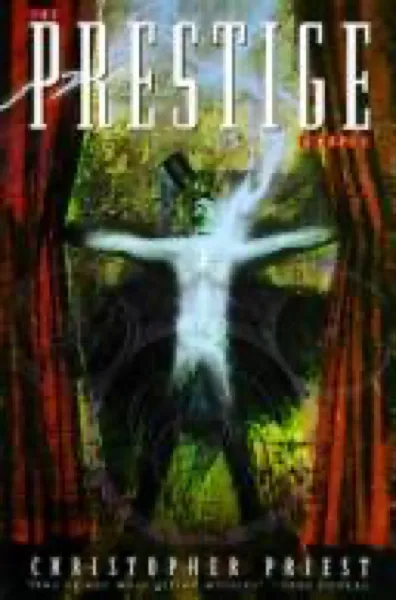
Christopher Priest — The Prestige (1995)
Two Victorian illusionists keep rival journals about the same feud, and their great-grandchildren, Kate Angier and Andrew Westley, read both in the present day. Winner of the 1996 World Fantasy Award for best novel and the James Tait Black Memorial Prize. First place because the mechanism is the subject: Borden's Transported Man and Angier's In a Flash are the illusions the feud turns on, and a book about how a trick is built has to build one.
 The PrestigeChristopher Priest
 - 2
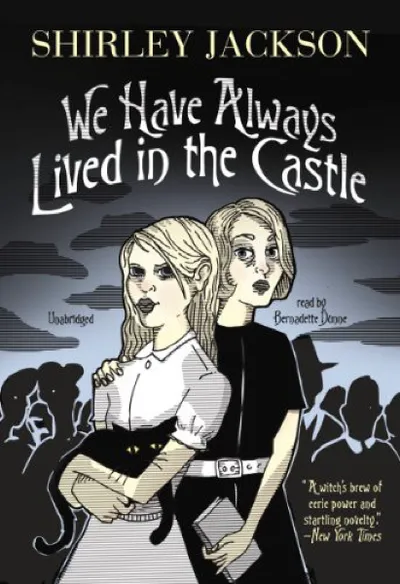
Shirley Jackson — We Have Always Lived in the Castle (1962)
Merricat Blackwood is eighteen and introduces herself on the first page by listing what she likes and what she does not. Viking published Jackson's last novel in 1962, dedicated to her publisher Pascal Covici, and Time named it one of the year's ten best. Second place is a provocation: nothing in it raises its voice, and it still repays a second reading as completely as anything ranked above it.
 We Have Always Lived in the CastleShirley Jackson
 - 3
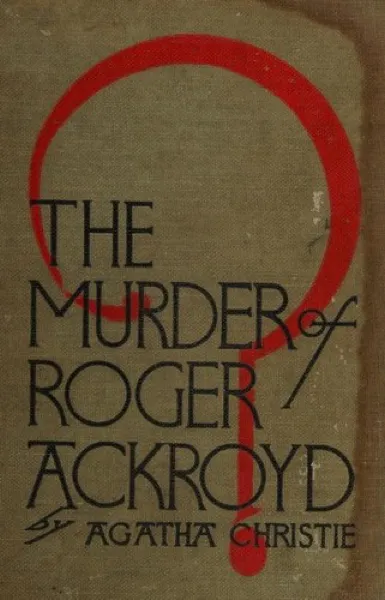
Agatha Christie — The Murder of Roger Ackroyd (1926)
Placed third on purpose, because it is the consensus first and consensus is what a debate list exists to break. Collins published it in June 1926, setting it in the English village of King's Abbot, where a recently retired Hercule Poirot has gone to live quietly. In 2013 the Crime Writers' Association voted it the best crime novel ever written. Nothing is withheld: every clue sits on the page, in order, at the moment it is earned.
 The Murder of Roger AckroydAgatha Christie
 - 4
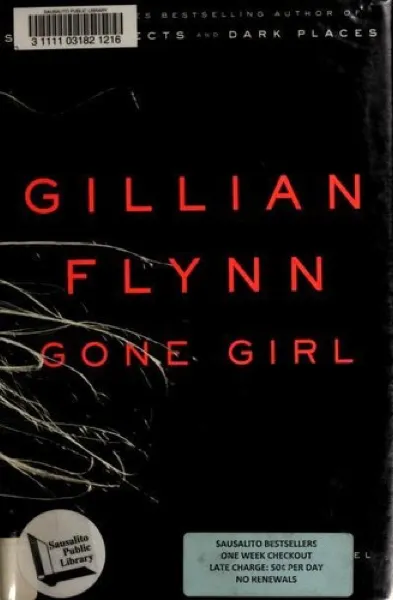
Gillian Flynn — Gone Girl (2012)
Halfway is where the design shows. Crown published it on 5 June 2012, and by the end of its first year it had sold over two million copies in print and digital. Nick narrates forward from their fifth wedding anniversary, with Amy missing; Amy answers in dated diary entries; the alternation is the machine rather than the decoration. Whatever the second half does was bought and paid for in the first.
 Gone GirlGillian Flynn
 - 5
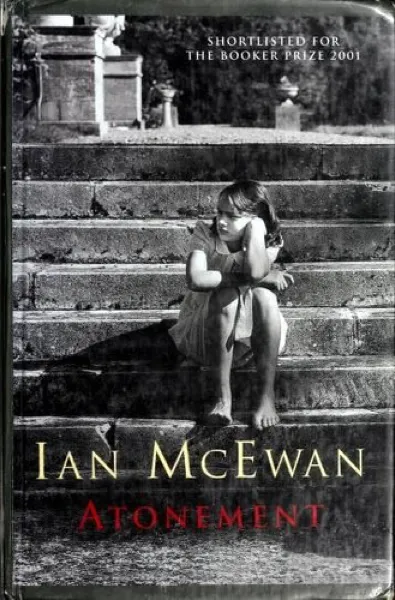
Ian McEwan — Atonement (2001)
Jonathan Cape published it in 2001; shortlisted for that year's Booker, winner of the 2002 National Book Critics Circle Award for fiction. Opens on an English country house in the summer of 1935 with children rehearsing a play, The Trials of Arabella, that never gets staged, and closes a long way from there. What it costs is a second reading: the pleasures of that summer afternoon do not come back, and McEwan knew it.
 AtonementIan McEwan
 - 6
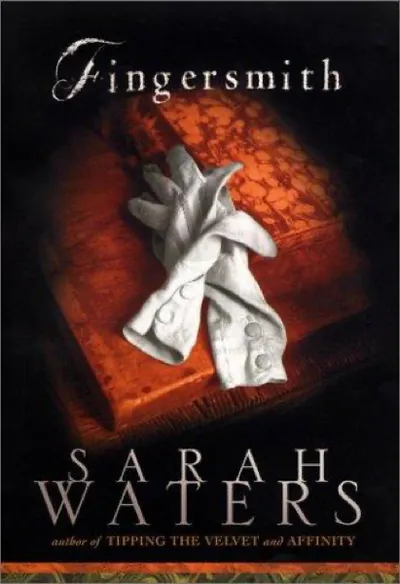
Sarah Waters — Fingersmith (2002)
Part one ends on a sentence that sends you back to the first page to check. Waters won the CWA Historical Dagger for it and was shortlisted for both the Booker and the Orange Prize; Virago published it in 2002. Sue Trinder, raised among thieves by Mrs Sucksby on Lant Street, is sent to a country house called Briar to help con an heiress, and the three-part structure does the rest.
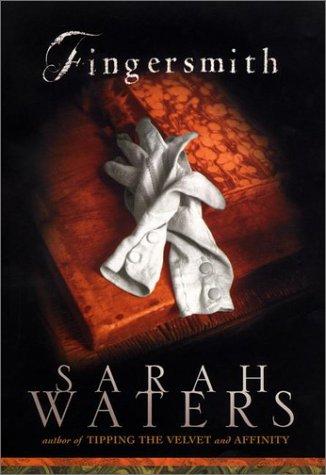 FingersmithSarah Waters
 - 7
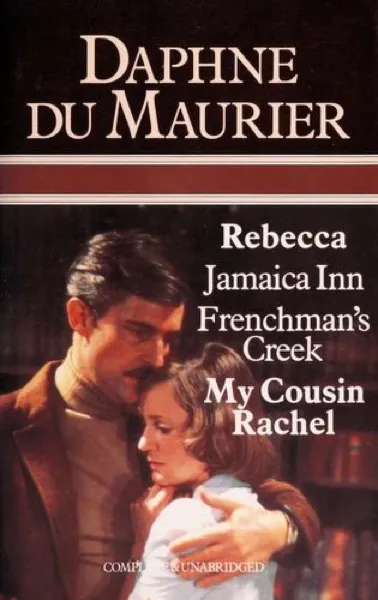
Daphne du Maurier — Rebecca (1938)
Half of it is housekeeping: the west wing preserved as a shrine, Mrs Danvers correcting the new wife's orders, a household that will not be run by anyone else. Victor Gollancz published it on 5 August 1938 and it has never gone out of print, selling 2.8 million copies between then and 1965. Du Maurier spends that whole first half buying something, and the second half is where she spends it.
 RebeccaDaphne du Maurier
 - 8
Charlotte Brontë — Jane Eyre (1847)
Published under the name Currer Bell by Smith, Elder & Co. on 19 October 1847. Brontë spends half the book at Thornfield Hall letting small things go unexplained, a strange laugh in the corridor being only the first of them, and then splits the novel in half in one scene. Read cold it is still the most violent structural turn in English fiction, and it is not a crime novel.
 Jane EyreCharlotte Brontë
 - 9
Keigo Higashino — The Devotion of Suspect X (2005)
Inverted by design: the question is never who did it but whether an alibi will hold, which changes what a reader is doing on every page. Winner of the 134th Naoki Prize in Japan; Alexander O. Smith's English translation, with Elye J. Alexander, came from Minotaur Books on 1 February 2011 and was nominated for the 2012 Edgar Award for best novel. Tetsuya Ishigami, a lonely maths teacher next door, builds the alibi.
The Devotion of Suspect XKeigo Higashino - 10
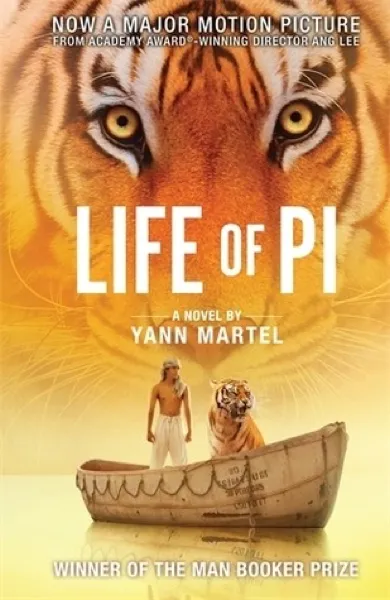
Yann Martel — Life of Pi (2001)
Piscine Molitor Patel investigates Christianity and Islam at fourteen and decides to practise all three religions at once, which is the book telling you early exactly what it wants from you. Knopf Canada published it in September 2001 and Martel won the Booker the following year. The third part is a conversation with two officials from the Japanese Ministry of Transport, running an inquiry into a shipwreck, and it asks you to do something rather than watch.
 Life of PiYann Martel
 - 11
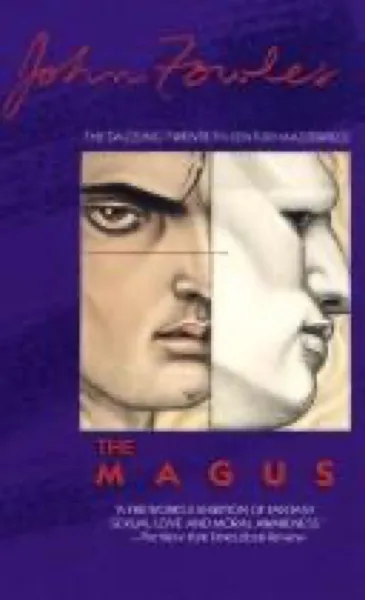
John Fowles — The Magus (1965)
Nicholas Urfe takes a teaching post on the island of Phraxos and meets Maurice Conchis, whose escalating manipulations the novel calls the godgame, which is the title Fowles gave the manuscript. Little, Brown of Boston published it first, in 1965, with Jonathan Cape's British edition following in 1966; sources naming only Cape date it 1965 and conflate the two. A revised version followed in 1977. Not one turn but a run of them, each staged and then withdrawn.
 The MagusJohn Fowles
 - 12
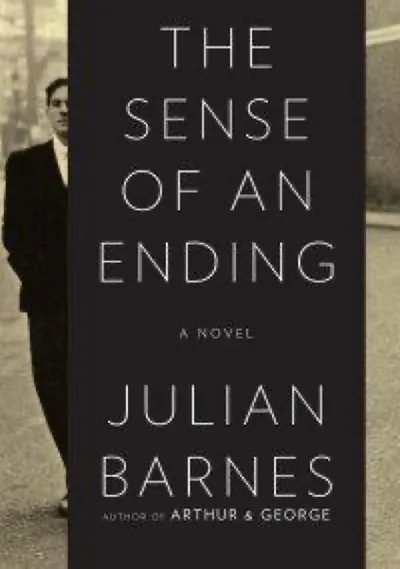
Julian Barnes — The Sense of an Ending (2011)
Tony Webster, retired and pleased with himself, gets a lawyer's letter about a small bequest and starts going back over a school friendship, a girlfriend and a diary he last thought about forty years ago. Awarded the Booker Prize on 18 October 2011. One hundred and fifty pages in the Jonathan Cape first edition, split into two parts, and part two exists to reread part one.
 The Sense of an EndingJulian Barnes
 - 13
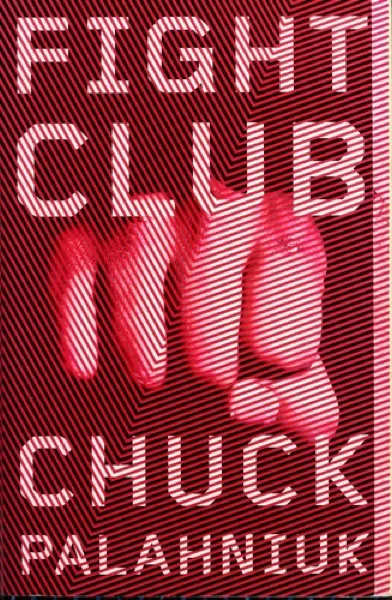
Chuck Palahniuk — Fight Club (1996)
Began as a seven-page short story in the 1995 compilation Pursuit of Happiness, which became chapter six when Palahniuk expanded it after every publisher he approached turned down the draft that later became Invisible Monsters. W. W. Norton published it on 17 August 1996; Fincher filmed it in 1999. Most pre-spoiled entry here by a distance, and it still works, which is the actual test.
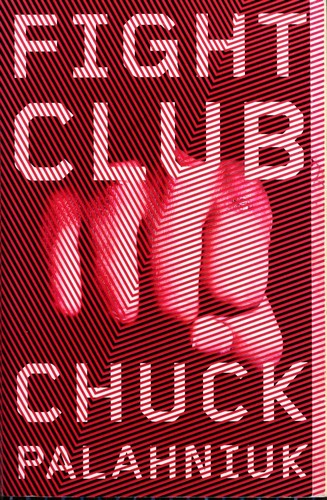 Fight ClubChuck Palahniuk
 - 14
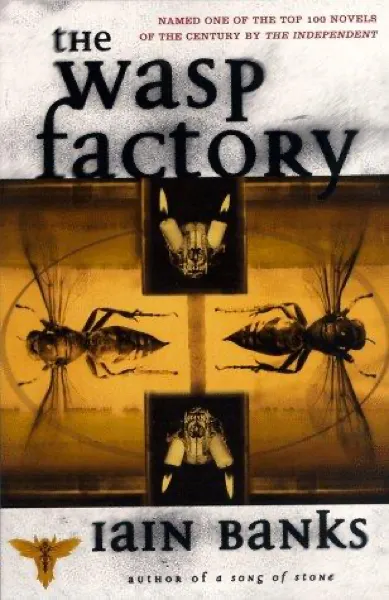
Iain Banks — The Wasp Factory (1984)
Frank Cauldhame is sixteen, keeps Sacrifice Poles around a Scottish island, and runs a divination device in the loft of the house. Macmillan published Banks's first novel on 16 February 1984. Ranked last only because the pleasure is front-loaded: the ritual detail is the reason to read it, and the closing chapter is the bill. Everything you enjoyed turns out to have been doing a second job.
 The Wasp FactoryIain Banks
How this list was ranked
Readers rank this list by voting items up and down. Items are ordered by reader votes.