The Best Final Books in a Series
Thirteen last volumes, ranked by one question only: does the ending pay for the run? Vote them into the order your own rereads argue for. Nothing here is spoiled: no resolution, no survivor, no shape of the finish. Each entry says what the final book was asked to carry and whether it carried it, names the series and how many volumes long it is, and links that last volume's own record rather than the opener. Unfinished series are out, all of them, however good: a series with no last book cannot be judged on its last book, and that exclusion is what makes the list mean anything. The order runs from finales that settle everything the run set up down to the ones people are still arguing about twenty years later, because a fight that long is its own kind of proof. Genres are mixed on purpose: crime, spy fiction, literary sequences, epic fantasy and science fantasy.
Elena Ferrante — The Story of the Lost Child (2014) is #1 on “The Best Final Books in a Series”.
- 1

Elena Ferrante — The Story of the Lost Child (2014)
Four books, one friendship, sixty years, and a last volume that has to make the whole quarrel between Lila and Elena add up to something. Europa Editions published Ann Goldstein's translation in 2015, a year after Edizioni e/o brought out Storia della bambina perduta. What it is asked to do is close two lives without tidying them, and the Naples neighborhood stays exactly as unforgiving as it was in book one.
 Storia della bambina perdutaElena Ferrante
 - 2
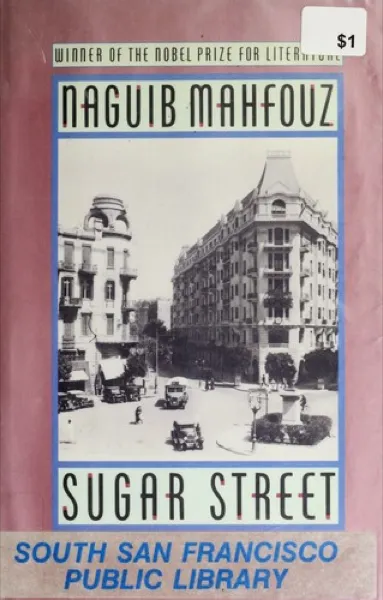
Naguib Mahfouz — Sugar Street (1957)
Three novels, and the last covers 1935 into the Second World War, with the al-Jawad grandsons pulling opposite ways: Abd al-Muni'm toward Islamist politics, Ahmad toward Communism. Al-Sukkariyya appeared in Arabic in 1957; William M. Hutchins, Olive Kenny and Angele Botros Samaan brought it into English for Doubleday in 1992. Closing the Cairo Trilogy means letting one household's disagreements become a country's, and it never announces the shift.
 السكريةنجيب محفوظ
 - 3
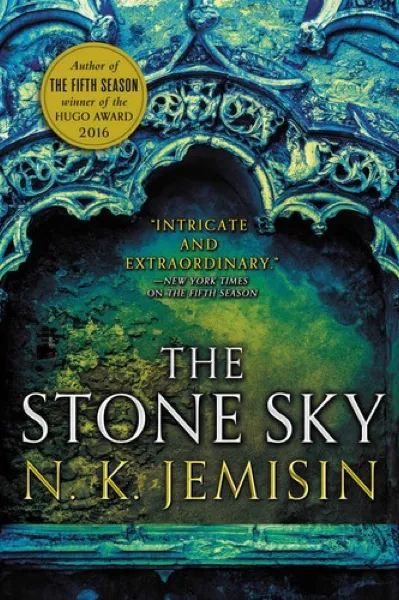
N. K. Jemisin — The Stone Sky (2017)
Winning the 2018 Hugo for Best Novel made its author the first writer to take that award three years running, all three for the Broken Earth books. Three volumes, finished, and the last one has to justify the trilogy's biggest formal gamble: the second-person voice that has been narrating since page one of The Fifth Season. Geology stops being scenery here and starts being history.
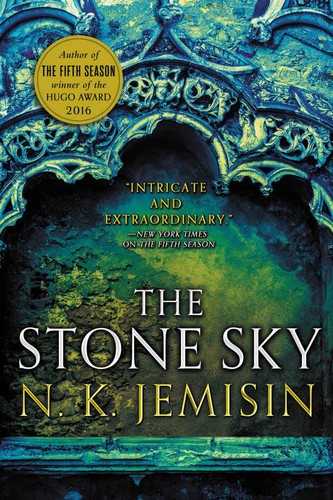 The Stone SkyN. K. Jemisin
 - 4
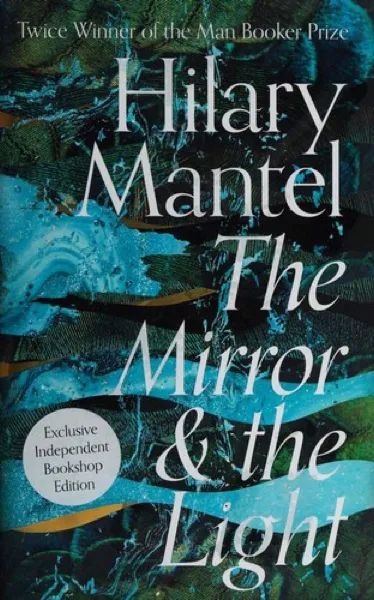
Hilary Mantel — The Mirror & the Light (2020)
Eight years of waiting, 784 pages in Henry Holt's American hardcover, and one problem no novelist can dodge: Thomas Cromwell's ending is a matter of public record before page one. Fourth Estate published it on 5 March 2020; it was shortlisted for that year's Women's Prize for Fiction and won the 2021 Walter Scott Prize. Three books, and the last is slower on purpose, because the slowness is what makes the weight land.
 The Mirror and the LightHilary Mantel
 - 5
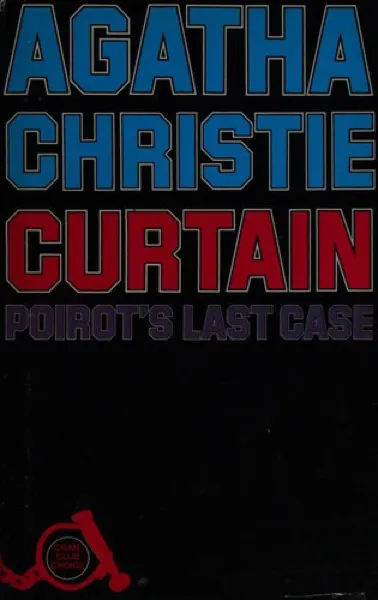
Agatha Christie — Curtain: Poirot's Last Case (1975)
Written during the Blitz in expectation of being killed in the raids, then left in a bank vault for roughly thirty-five years before Collins Crime Club published it in September 1975. Its job is to close a 33-novel sequence by returning the detective to Styles Court in Essex, the scene of his first case in 1920 and now converted to a guest house, and to make that return carry weight rather than merely rhyme.
 CurtainAgatha Christie
 - 6
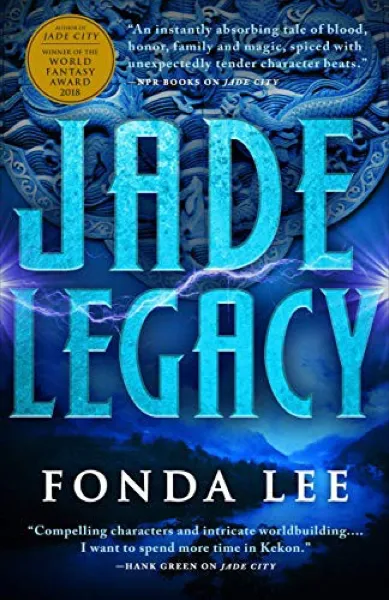
Fonda Lee — Jade Legacy (2021)
Orbit published it on 30 November 2021 and it took the 2022 Locus Award for Best Fantasy Novel: 624 pages covering roughly twenty years, which is precisely why it lands. Instead of compressing a war into a fortnight, the third Green Bone book lets the Kaul family age, so the price of jade gets paid in slow instalments. Three volumes, complete, and the generational span is the finale's actual argument.
 Jade LegacyFonda Lee
 - 7
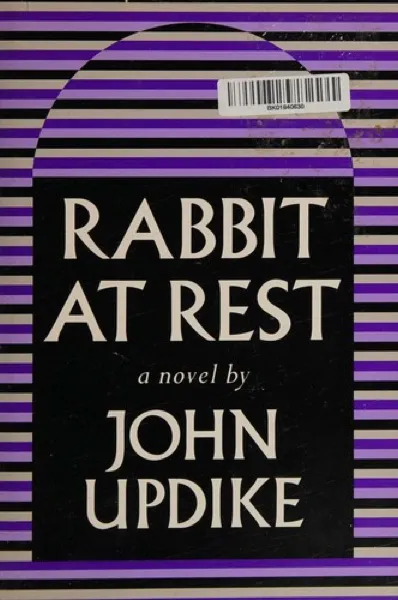
John Updike — Rabbit at Rest (1990)
Alfred A. Knopf brought it out in 1990 and it won the 1991 Pulitzer for Fiction, the second book in the quartet to do so after Rabbit Is Rich. Four novels across thirty years, roughly one a decade, and Harry Angstrom is now retired to Florida and eating exactly as badly as you would expect. Updike's wager was that an ordinary man watched closely enough becomes the century; the fourth collects on it.
 Rabbit at restJohn Updike
 - 8
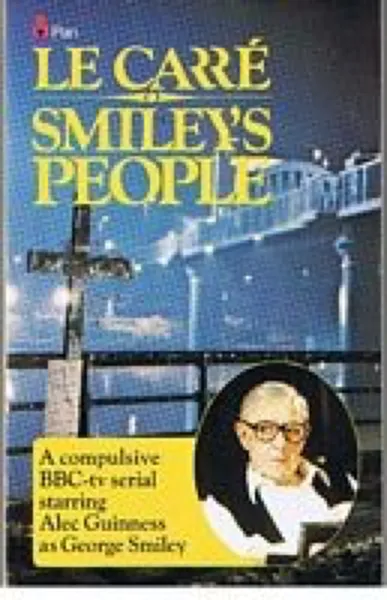
John le Carré — Smiley's People (1979)
Third and final part of the Karla Trilogy, after Tinker Tailor Soldier Spy and The Honourable Schoolboy, published in 1979 and dramatized by the BBC in 1982 with Alec Guinness. What the closing volume has to settle is a rivalry with Karla, the Moscow Centre chief, conducted for three books on paperwork, patience and small favors rather than gunfire. Settling it never once raises its voice.
 Smiley's PeopleJohn le Carré
 - 9
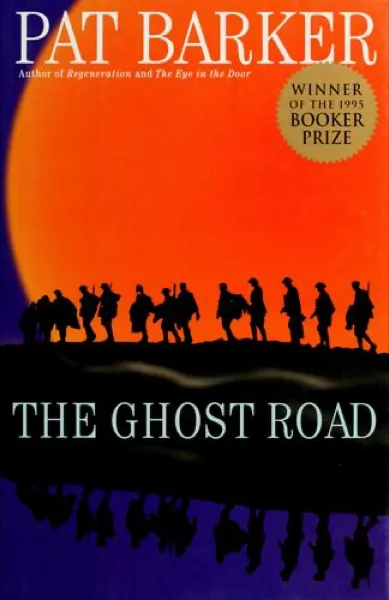
Pat Barker — The Ghost Road (1995)
Booker Prize winner in 1995, published by Viking, and the third of the Regeneration trilogy after Regeneration and The Eye in the Door. Barker splits her finale between the Western Front in 1918 and the real doctor W. H. R. Rivers remembering his fieldwork in Melanesia, setting two civilisations beside each other. Siegfried Sassoon, central to book one, is deliberately marginal here, and that demotion is the argument.
 The Ghost RoadPat Barker
 - 10
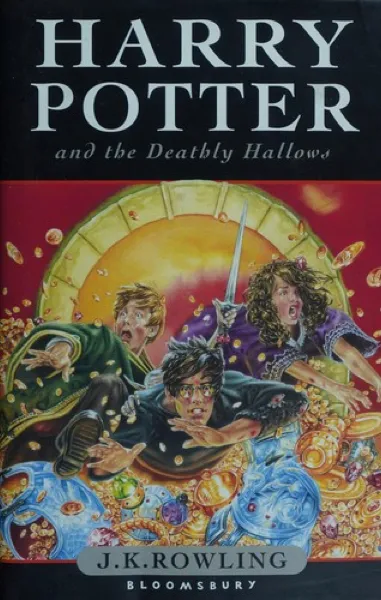
J. K. Rowling — Harry Potter and the Deathly Hallows (2007)
Released on 21 July 2007 by Bloomsbury and Scholastic, with a documented 8.3 million American copies sold on the first day, over 96 a second. Seven books, one school year each, until the last one leaves the school behind entirely, which is the risk the ending had to take. Losing that timetable costs the middle stretch its shape, and the final act earns it back on plantings made years earlier.
 Harry Potter and the Deathly HallowsJ. K. Rowling
 - 11
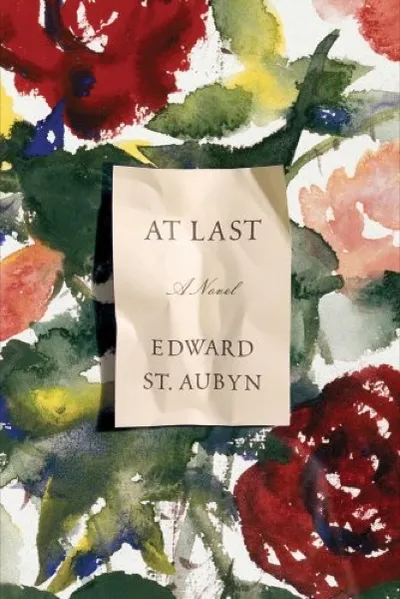
Edward St Aubyn — At Last (2011)
Fifth and final of the Patrick Melrose novels, and sources date it two ways: Picador brought it out in Britain in 2011, with the American edition following in 2012. Mother's Milk, the fourth, was shortlisted for the 2006 Booker. It opens at a funeral in London and never leaves that day, asking whether a sequence built on inherited damage can end in anything other than damage, and answering in jokes that decline to console.
 At lastEdward St Aubyn
 - 12
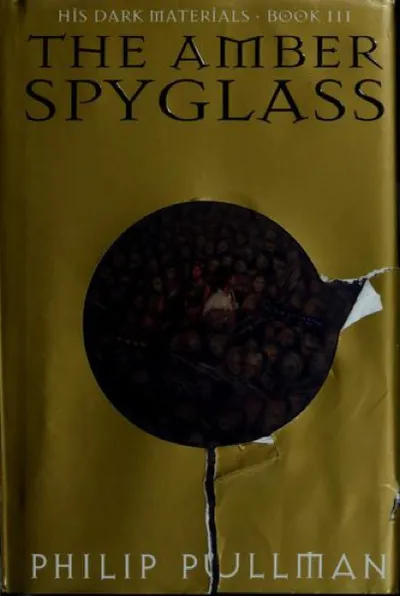
Philip Pullman — The Amber Spyglass (2000)
Winner of the 2001 Whitbread Book of the Year, the first children's novel ever to take that overall prize, and the first children's book longlisted for the Booker. Three volumes, complete since 2000. Hardest job in the trilogy falls here: the quarrel with Milton and with authority that Northern Lights merely gestured at now has to be made in full, for readers of eleven, without discounts.
 The Amber SpyglassPhilip Pullman
 - 13
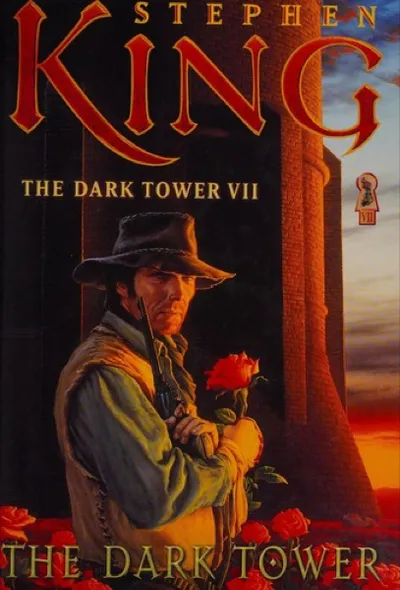
Stephen King — The Dark Tower (2004)
Donald M. Grant published the seventh volume on 21 September 2004, closing a sequence started in 1982; an eighth book, The Wind Through the Keyhole, was slotted into the middle in 2012. No finale on this list is fought over harder, and the fighting is why it belongs: the last volume takes a position on what an ending owes a reader and declines to soften it. Two decades on, readers remain split.
 The dark towerStephen King
How this list was ranked
Readers rank this list by voting items up and down. Items are ordered by reader votes.