Every Stephen King Novel, Ranked
All 65 Stephen King novels, ranked to start an argument. The top three are wrong on purpose, so vote them straight. Novels only: the collections stay out, which is why Hearts in Atlantis is missing (five linked pieces, not one novel). The seven Bachman books, the four collaborations (Straub twice, Owen King once, Richard Chizmar once) and all eight Dark Tower volumes are in and flagged. Elevation is in on a real disagreement: its cover says novel, King calls it a novella. Gwendy's Button Box is out, because King's site and Wikipedia's own article on it agree that it is a novella. Years are first appearance in any form, so several titles read earlier here than elsewhere. Order runs on how well each book keeps the promise of its first fifty pages. Last place is not bad King; it is the one we would hand you last. Complete as of 1 August 2026. Other Worlds Than These arrives 6 October and will break that, and The End Times, still serializing, is out of scope.
Stephen King — Pet Sematary (1983) is #1 on “Every Stephen King Novel, Ranked”.
- 1
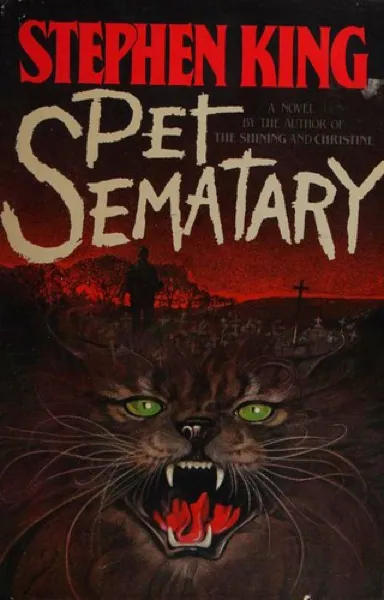
Stephen King — Pet Sematary (1983)
Church, the family cat, comes back from the Mi'kmaq ground beyond the deadfall, and comes back wrong. That is the promise, and every page afterwards keeps it. Doubleday published in November 1983; the flap copy on King's own site asks whether he ever conceived a story so horrifying he was for a time unwilling to finish it, then answers yes. Nominated for the 1984 World Fantasy Award.
 Pet SemataryStephen King
 - 2
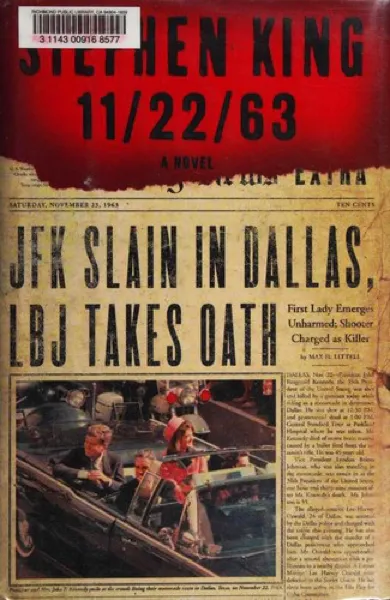
Stephen King — 11/22/63 (2011)
Forty years separated the idea from the book, which King dates to 1971, before Carrie, and Scribner published the result on 8 November 2011. Jake Epping steps through a time slip in the pantry of Al's Diner and lands every single time on 9 September 1958. Winner of the 2011 Los Angeles Times Book Prize for mystery and thriller, and the ending earns its thousand pages.
 11/22/63Stephen King
 - 3
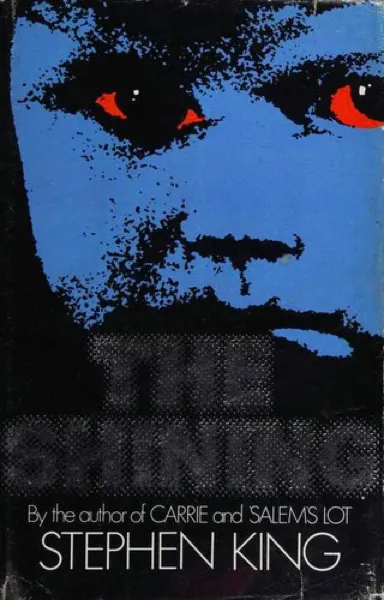
Stephen King — The Shining (1977)
On 30 October 1974, King and Tabitha checked into the Stanley Hotel at Estes Park, Colorado, and the Overlook came out of that night. His third published novel and his first hardcover bestseller. Better than the ghosts are the topiary animals in the hedge garden, which shift position only when nobody is looking, and which the book never once bothers to explain.
 The ShiningStephen King
 - 4
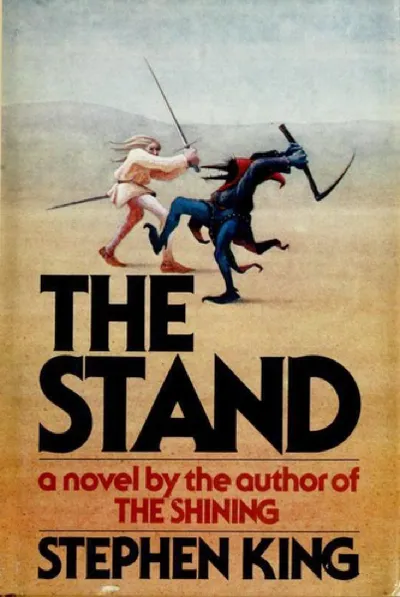
Stephen King — The Stand (1978)
Roughly 400 pages, about 150,000 words, came out of the manuscript before Doubleday published in 1978, and the 1990 Complete and Uncut edition restored over 300 of them at 1,152 pages. Captain Trips emptying America across the first third is as good as he gets. Then Las Vegas is settled by the Hand of God detonating Trashcan Man's warhead.
 The StandStephen King
 - 5
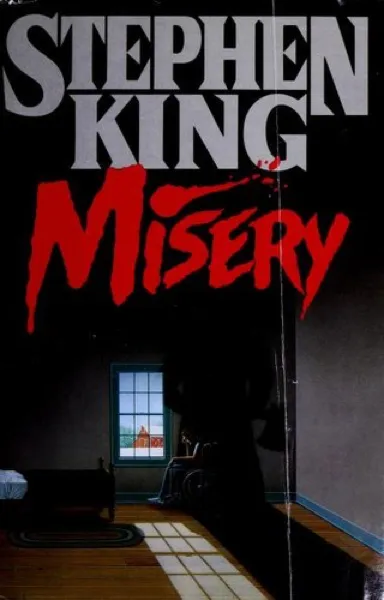
Stephen King — Misery (1987)
Annie Wilkes takes Paul Sheldon's foot off with an axe and cauterises the stump with a blowtorch, and the room around it stays domestic, which is what makes it unbearable. Viking published on 8 June 1987 and it shared the first Bram Stoker Award for Best Novel with Robert McCammon's Swan Song. King has put it flatly: Annie was his drug problem, and she was his number-one fan.
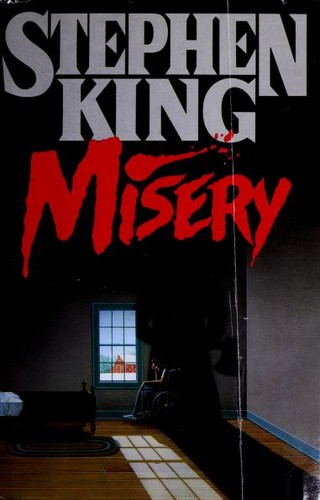 MiseryStephen King
 - 6
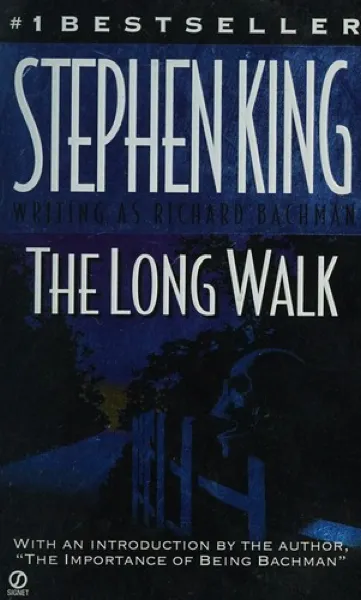
Stephen King — The Long Walk (1979)
First novel he ever wrote, begun in 1966-67 during his freshman year at the University of Maine and held back until 1979, when it appeared under the Richard Bachman name. A hundred boys, four miles an hour, three warnings, then the soldiers shoot; Ray Garraty is number 47. The American Library Association put it on its 100 best books for teenagers in 2000.
 The Long WalkStephen King
 - 7
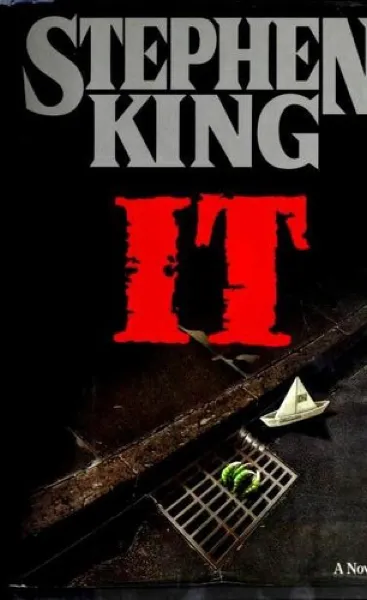
Stephen King — It (1986)
Publishers Weekly made it the best-selling hardcover fiction title in America for 1986, and the British Fantasy Award followed in 1987. Georgie Denbrough chasing a paper boat to a storm drain is the most famous opening he has written. Ranked below the top five rather than above them because the Ritual of Chüd, and what the children do in the tunnels afterwards, are things defenders end up apologizing for.
 ItStephen King
 - 8
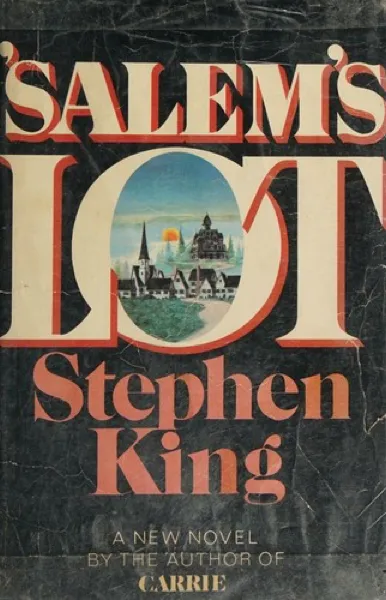
Stephen King — 'Salem's Lot (1975)
Wondering aloud over supper what would happen if Dracula came back in the twentieth century, to America, is how King has described the start of it. He wanted the title Second Coming; Tabitha talked him into Jerusalem's Lot. Nominated for the 1976 World Fantasy Award. Kurt Barlow barely matters beside the Marsten House and a town already rotting before anybody arrives to finish it.
 'Salem’s LotStephen King
 - 9
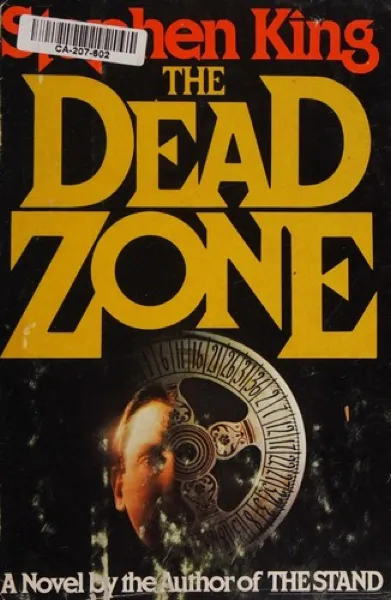
Stephen King — The Dead Zone (1979)
Nobody remembers it as the breakthrough, yet it was the first of his novels to finish among the ten best-selling books of its year in America. Johnny Smith wakes from a coma of nearly five years able to read a person by touch, shakes hands with Greg Stillson, and sees him in the White House starting a nuclear war. Plausible in 1979; worse than plausible now.
 The Dead ZoneStephen King
 - 10
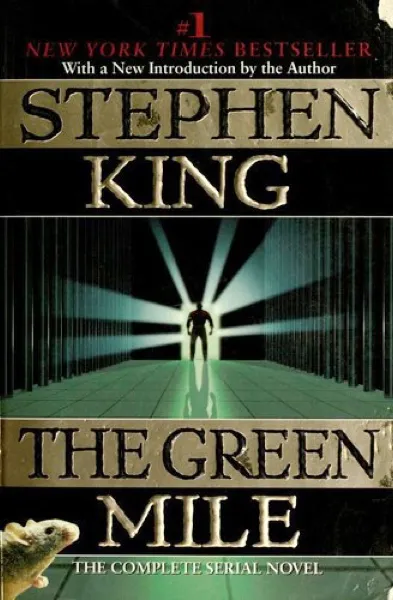
Stephen King — The Green Mile (1996)
Serialized across six paperback instalments in 1996, from The Two Dead Girls on 28 March to Coffey on the Mile on 29 August, written with the earlier parts already in shops and impossible to revise. Took the Bram Stoker Award for Best Novel that year. John Coffey curing Paul Edgecombe's urinary infection with his hands is where the sentiment stops being cheap.
 The Green MileStephen King
 - 11
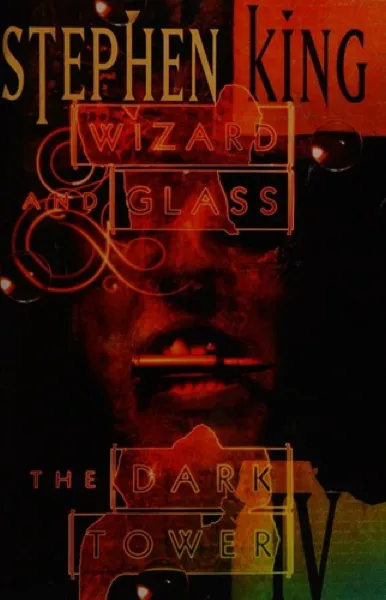
Stephen King — Wizard and Glass (1997)
Fourth Dark Tower volume, from 1997, and it placed fourth in that year's Locus poll for best fantasy novel. Stands alone better than any of the other seven, because the enormous flashback to Mejis is effectively a separate book: Roland is fourteen, Susan Delgado is promised to the mayor, and Maerlyn's Grapefruit shows him a future he then spends a lifetime walking towards.
 Wizard and GlassStephen King
 - 12
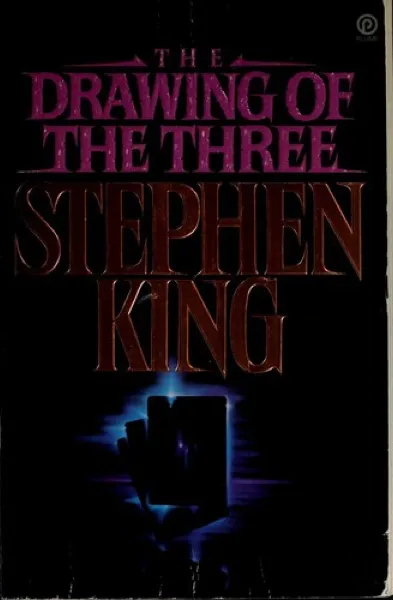
Stephen King — The Drawing of the Three (1987)
Second Dark Tower volume, issued by Donald M. Grant in 1987, and the book that made a series out of a Western sketch. Three doors on a beach, The Prisoner, The Lady of Shadows and The Pusher, deliver Eddie Dean, Odetta Holmes and Jack Mort. Roland loses two fingers to a lobstrosity in the opening pages. Start here if volume one defeated you.
 The Drawing of the ThreeStephen King
 - 13

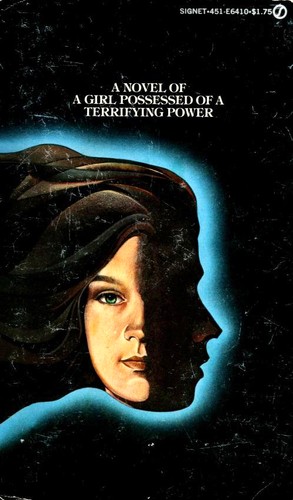
Stephen King — Carrie (1974)
Doubleday printed 30,000 copies on 5 April 1974 against a $2,500 advance, then sold paperback rights to New American Library for $400,000; that paperback shifted a million copies in its first year. Tabitha fished the discarded first pages out of the bin. Chris Hargensen tipping the buckets at the moment of the coronation still detonates, because the documents spliced around it have already told you it happens.
 CarrieStephen King
 - 14
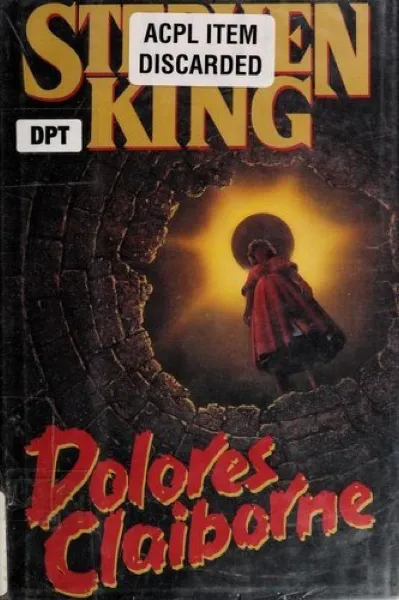
Stephen King — Dolores Claiborne (1992)
No chapters, no section breaks, not even double-spacing between paragraphs: one unbroken first-person transcript in Maine dialect, and it was still the best-selling novel in America in 1992. Joe St. George goes down the well during the total eclipse of 20 July 1963, with Vera Donovan on Little Tall Island as the other half of the voice. Anyone calling King sloppy has not read it.
 Dolores ClaiborneStephen King
 - 15
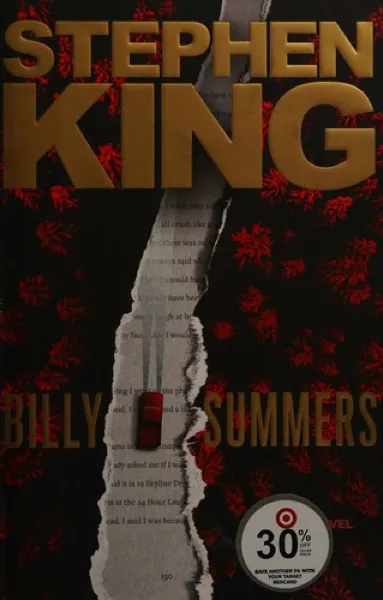
Stephen King — Billy Summers (2021)
Scribner put it out on 3 August 2021 and it entered the New York Times fiction list at number one for the week ending 7 August. The contract is taken under the name David Lockridge: he rents an office, pretends to be writing a novel, then actually writes one. Alice Maxwell, dumped drugged from a truck outside, turns the job into a life.
 Billy SummersStephen King
 - 16
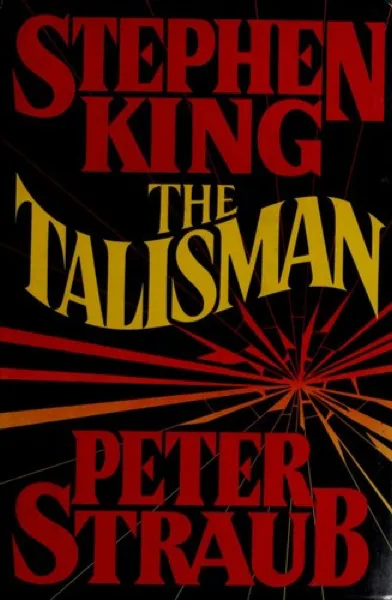
Stephen King — The Talisman (1984)
Written with Peter Straub and published by Viking on 7 November 1984 behind a $550,000 promotional budget; twelve weeks at number one on the New York Times list, twenty-three weeks on it altogether. Twelve-year-old Jack Sawyer flips between America and the Territories, where people have twinners, and picks up Wolf, whose family herd the Queen's livestock. You can hear both writers arguing, and it helps.
 The talismanStephen King
 - 17
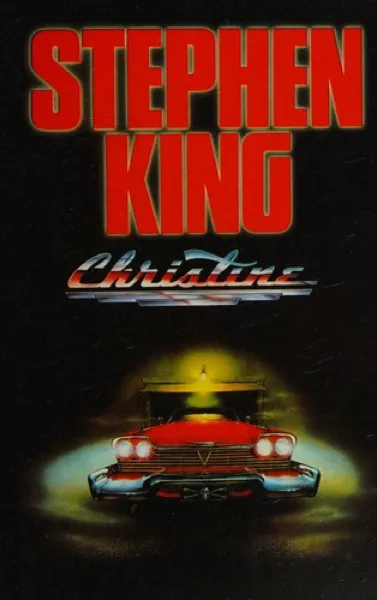
Stephen King — Christine (1983)
Viking Press published on 29 April 1983, and the whole thing grew from King's idea of an odometer running backwards, making a car younger instead of older. Roland D. LeBay, a bitter old man in a back brace, sells Arnie Cunningham a 1958 Plymouth Fury. What actually rots is Arnie's friendship with Dennis Guilder; the car is only the instrument for it.
 ChristineStephen King
 - 18
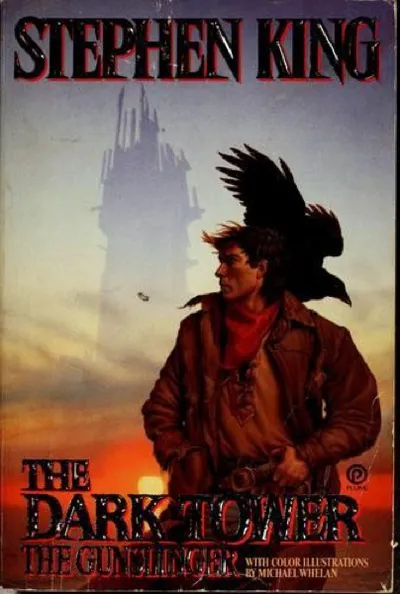
Stephen King — The Gunslinger (1978)
Five stories ran in The Magazine of Fantasy and Science Fiction from October 1978, and Donald M. Grant published the assembled novel in 1982; King added over 9,000 words for the 2003 revision. He took the title from Browning's Childe Roland to the Dark Tower Came, read as a sophomore at Maine. First volume, and by far the hardest to enter cold.
 The GunslingerStephen King
 - 19
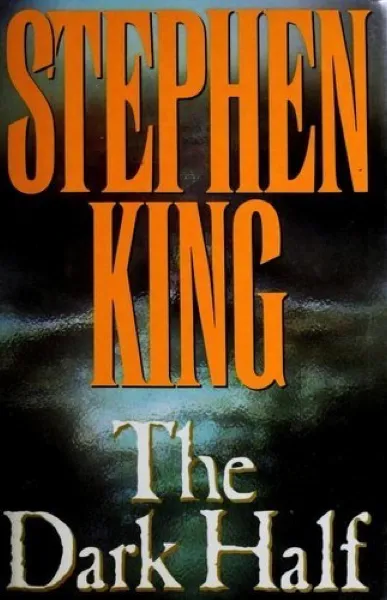
Stephen King — The Dark Half (1989)
Being outed as Richard Bachman is what produced it, and King wrote it in response; Publishers Weekly ranked it the second-best-selling book of 1989. Thad Beaumont stages a mock burial for his pen name George Stark under a headstone reading Not a Very Nice Guy, and Stark climbs out of it. The sparrows, and the message left at the murder scenes, are the best image here.
 The Dark HalfStephen King
 - 20
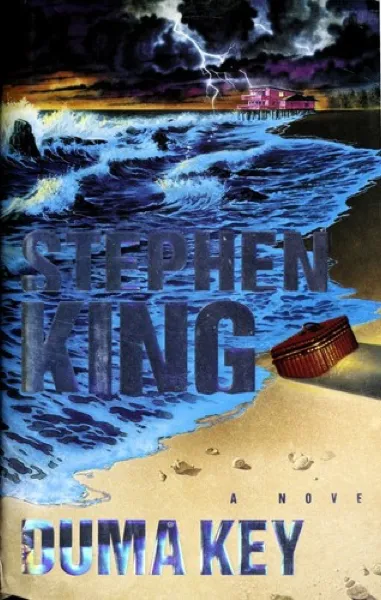
Stephen King — Duma Key (2008)
Scribner published on 22 January 2008; it is his first novel set in Florida, and his first set in Minnesota too. Edgar Freemantle loses his right arm when a crane crushes his truck, moves south, and takes up sketching again on a therapist's advice, whereupon the pictures begin deciding things. Perse, surfacing as an old china doll in a red cloak, outclasses the plot she sits inside.
 Duma KeyStephen King
 - 21
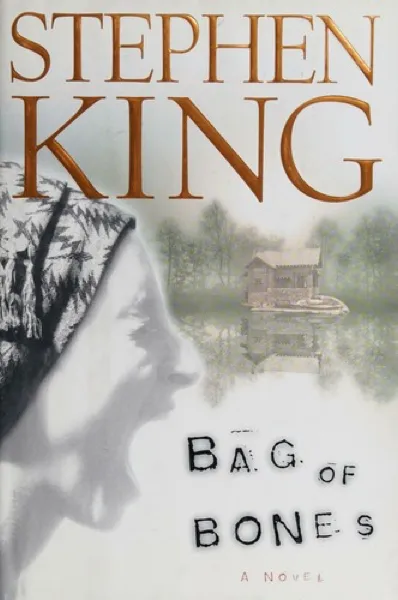
Stephen King — Bag of Bones (1998)
First title of the three-book Simon & Schuster deal King signed on 6 November 1997 after leaving Viking: a $2 million advance plus half the profits, a 1.4 million-copy first printing, and the 1998 Bram Stoker Award for Best Novel, presented in 1999. Mike Noonan, blocked since his wife died, retreats to a lake house called Sara Laughs. It reuses Rebecca openly and says so early.
 Bag of BonesStephen King
 - 22
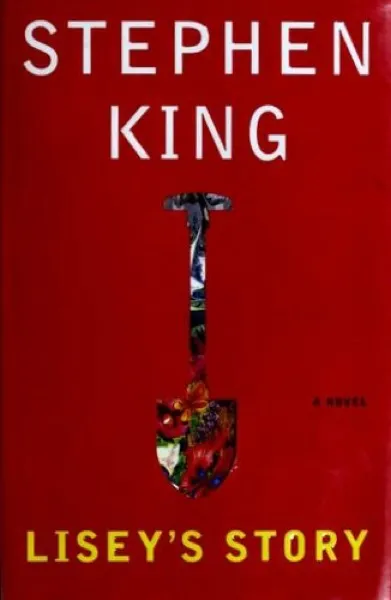
Stephen King — Lisey's Story (2006)
Released on 24 October 2006 and winner of the Bram Stoker Award for Best Novel that year, it is the one King names as his own favorite. It began when he had double pneumonia in 2003 and Tabitha redesigned his studio while he was in hospital. Boo'ya Moon, and the bool hunt Scott Landon leaves his widow, are private language you enter or you do not.
 Lisey's StoryStephen King
 - 23
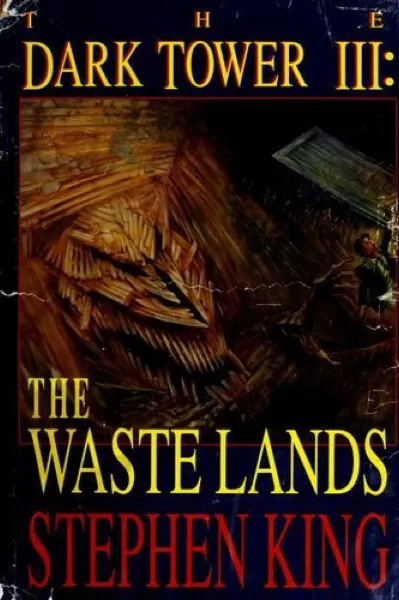
Stephen King — The Waste Lands (1991)
Shardik the cyborg bear opens it and Blaine the Mono closes it, and between them sits the ruined city of Lud, the strongest sustained stretch anywhere in the sequence. Donald M. Grant issued the 1991 first edition with Ned Dameron's illustrations, and it drew a Bram Stoker Award nomination that year. As Dark Tower III it is the one volume you cannot read alone: it halts on a cliffhanger, mid-contest.
 A Torre NegraStephen King
 - 24
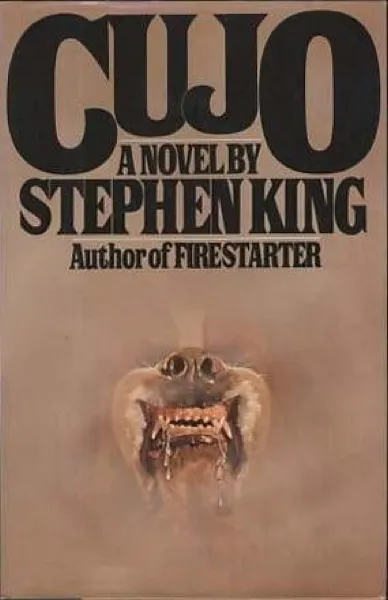
Stephen King — Cujo (1981)
Rabies arrives through a bat bite in a small cave, and after that no supernatural machinery is required at all. Donna Trenton and four-year-old Tad spend the back half cooking inside a stalled Ford Pinto while a Saint Bernard waits outside the door. It won the British Fantasy Award in 1982, and in On Writing he says he barely remembers writing it at all, though he likes the book and wishes he could remember enjoying the good parts.
 CujoStephen King
 - 25
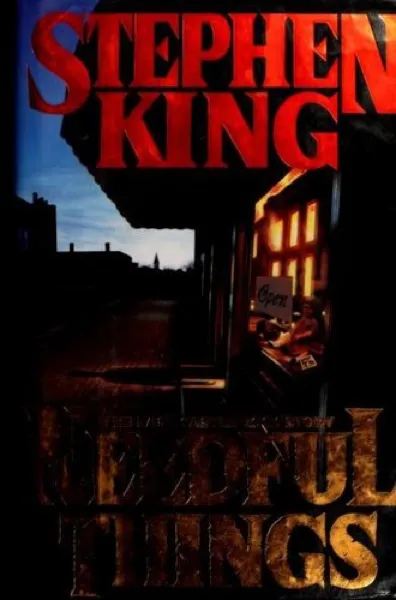
Stephen King — Needful Things (1991)
Leland Gaunt sells each customer the one object they cannot refuse, a Sandy Koufax card or a carnival glass lampshade, and charges not money but a prank played on a neighbor. Viking published it in October 1991 under the cover line The Last Castle Rock Story. Sheriff Alan Pangborn watches a whole town dismantle itself over trinkets, which is close to perfect until the devil starts explaining himself.
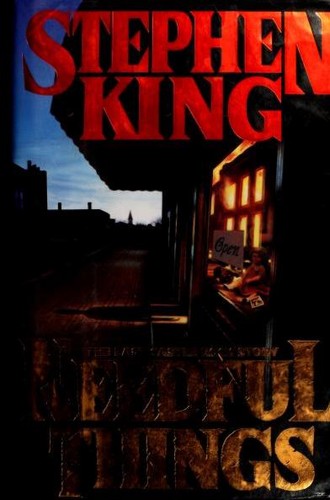 Needful ThingsStephen King
 - 26

Stephen King — Joyland (2013)
Devin Jones takes a summer job at a North Carolina amusement park, learns the carny patter, and gets a murder thrown in: Linda Gray, killed on the Horror House dark ride, has never left it. Hard Case Crime put it out as a paperback original on 4 June 2013 with covers by Glen Orbik and Robert McGinnis, and it drew a 2014 Edgar nomination. Warm, short, far more interested in the boy than the case.
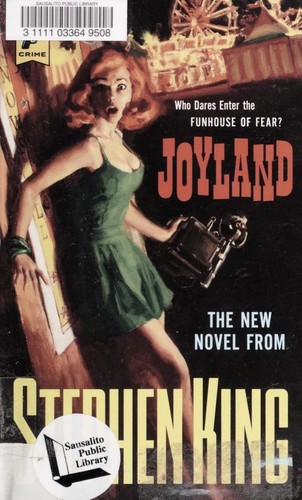 JoylandStephen King
 - 27
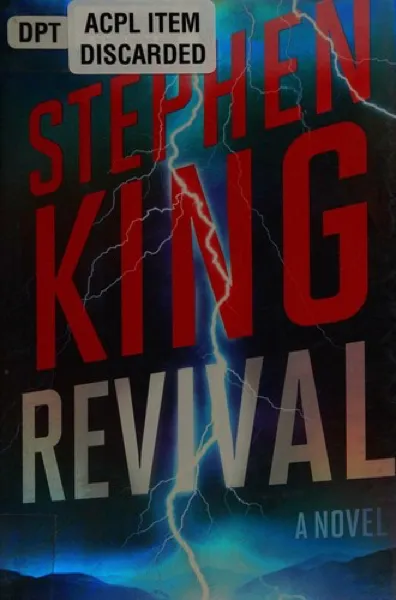
Stephen King — Revival (2014)
Arthur Machen's The Great God Pan is the debt King names, and the final twenty pages pay it in full. Charles Jacobs loses his faith, takes up what he calls secret electricity, and spends fifty years working toward one experiment; what waits on the other side is a place called the Null and a thing called Mother. Scribner published it on 11 November 2014. Slow burn, bleakest ending in the canon.
 RevivalStephen King
 - 28
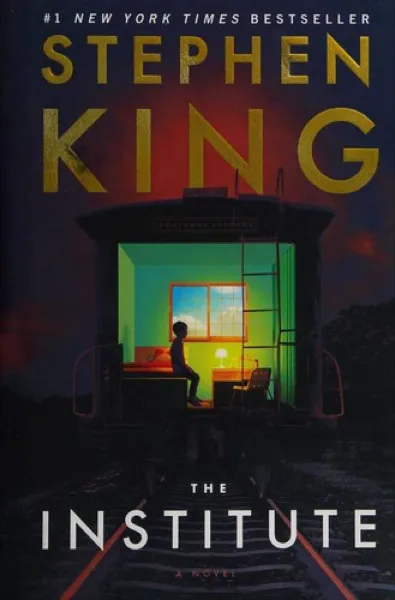
Stephen King — The Institute (2019)
Luke Ellis is twelve, a genuine prodigy, and only faintly telekinetic, which is exactly why the people who take him want him. Scribner published it on 10 September 2019. Its engine is the geography: Front Half, where Mrs Sigsby's staff run the tests, and Back Half, where the children go afterwards and do not come back. A late book that moves like an early one, undone by too neat a rescue.
 The InstituteStephen King
 - 29
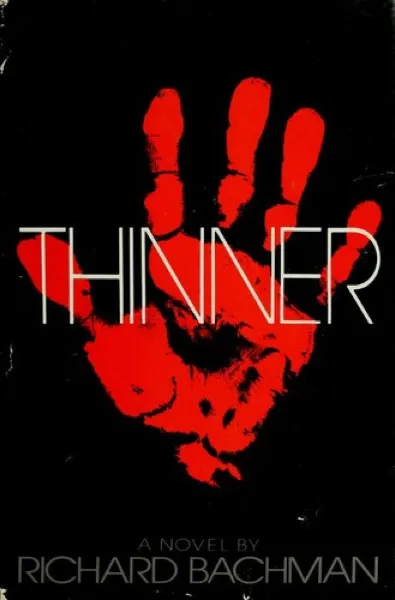
Stephen King — Thinner (1984)
Richard Bachman's name is on the November 1984 New American Library edition, and the pseudonym became the book's most famous fact: after the Bangor Daily News broke the story on 9 February 1985, sales climbed from 28,000 copies to 280,000. Taduz Lemke lays the curse with a single word outside a courthouse, and the strawberry pie at the end is the cruellest thing King has asked a character to do.
 ThinnerStephen King
 - 30
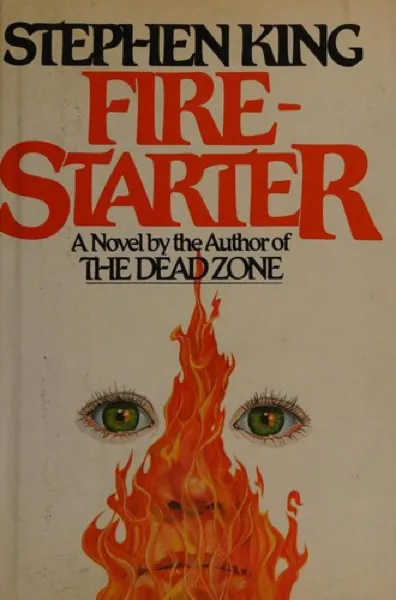
Stephen King — Firestarter (1980)
Lot Six is the drug the government paid two students to take, and Charlie McGee is what those two produced. Viking published it on 29 September 1980; British Fantasy, Locus and Balrog nominations followed the next year. Her father's mental domination, which he calls the push, costs him a slice of his own brain every time he uses it, and John Rainbird is the coldest company man here.
 FirestarterStephen King
 - 31
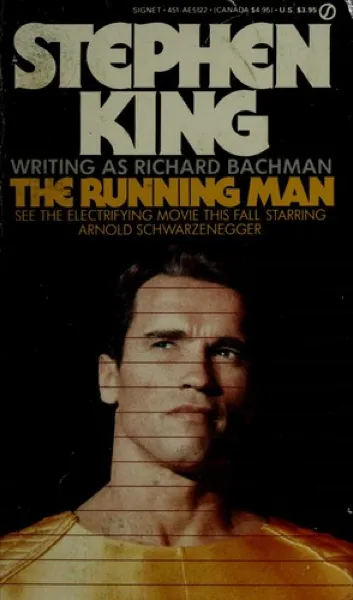
Stephen King — The Running Man (1982)
Bachman's fastest book: in On Writing, King says he finished the draft inside a single week. New American Library published it as a paperback original in 1982, and it gives its televised manhunt a hundred hours and Ben Richards no allies worth the name. The ending, an airliner flown into the Games Building, is committed to absolutely. Four decades on it reads less like satire than like reportage.
 The Running ManStephen King
 - 32
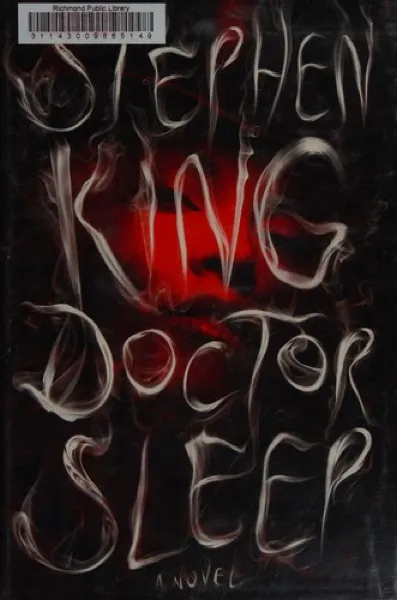
Stephen King — Doctor Sleep (2013)
Azzie, a hospice cat who settles on the bed of whoever will die next, is how the grown Dan Torrance earns his working nickname, and the recovery-meeting chapters are why this sequel justifies existing. Scribner issued it on 24 September 2013 and it took the Bram Stoker Award for Best Novel that year. Rose the Hat and the True Knot, feeding on steam, never frighten the way the Overlook did.
 Doctor SleepStephen King
 - 33
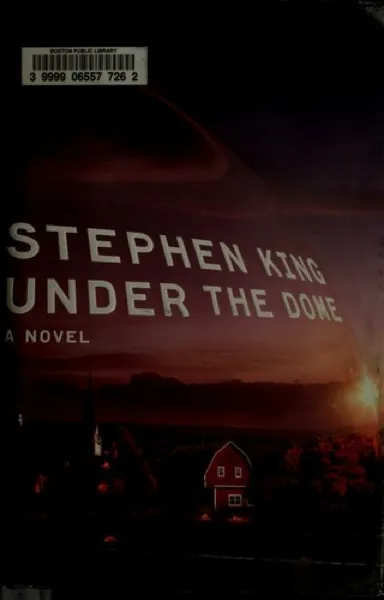
Stephen King — Under the Dome (2009)
Twice abandoned before it worked: he tried in 1972, tried again in 1982 as a 450-page handwritten manuscript called The Cannibals, and only landed it in 2009. Scribner's first edition runs 1,074 pages and eight hundred of them are furious and gripping, all Big Jim Rennie's meth operation and a town rationing itself. Then the leatherheads turn out to be children with an ant farm, and many readers stop forgiving it.
 Under the DomeStephen King
 - 34
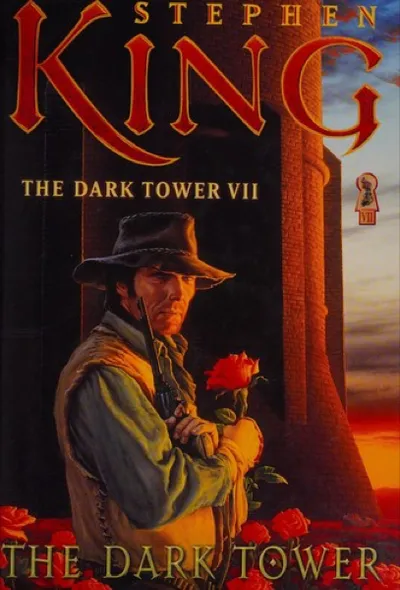
Stephen King — The Dark Tower (2004)
Finishing is the hard part, and volume seven finishes. Grant published it on King's own birthday, 21 September 2004, with Michael Whelan's illustrations, and it took the British Fantasy Award the following year. Standing alone it is hopeless; you need the six before it. But the last page, a door at the summit carrying Roland's name, is the boldest choice of his career, even with the deaths rushed.
 The dark towerStephen King
 - 35
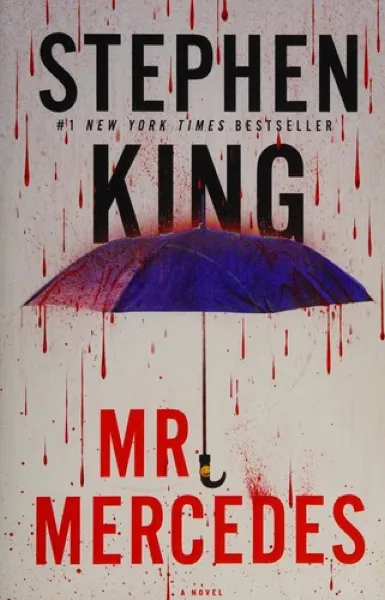
Stephen King — Mr. Mercedes (2014)
Brady Hartsfield drives a stolen Mercedes into a queue of people waiting at a job fair, kills eight, and then spends the book taunting the retired detective who never closed it. Published on 3 June 2014, it won the 2015 Edgar Award for Best Novel from the Mystery Writers of America. No ghosts anywhere in it, and it does not need any. Its real legacy is the first appearance of Holly Gibney.
 Mr. MercedesStephen King
 - 36
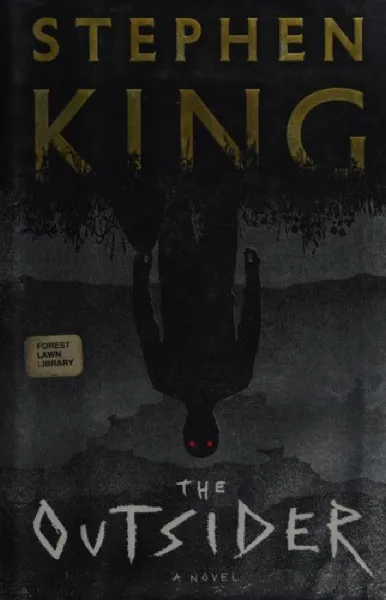
Stephen King — The Outsider (2018)
Two sets of unimpeachable evidence put Terry Maitland in two places at once: fingerprints and DNA at a killing in Flint City, film and witnesses at a teachers' conference in Cap City. Scribner published it on 22 May 2018. For two hundred pages that impossibility makes the best procedural he has written; then El Cuco turns up, Holly Gibney explains him, and the join between the halves shows.
 The OutsiderStephen King
 - 37
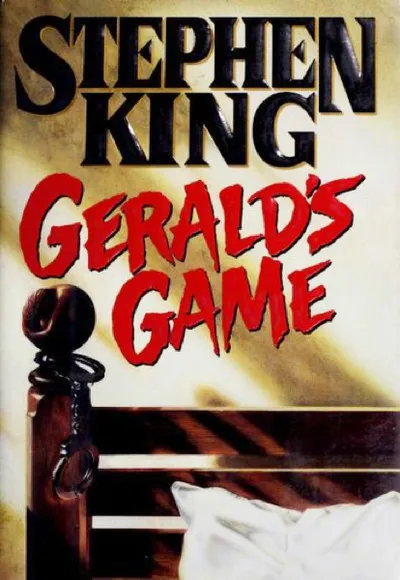
Stephen King — Gerald's Game (1992)
Handcuffed to a bed in an empty lake house with her husband dead on the floor, Jessie Burlingame has to think her way out, and the escape, by way of a broken water glass, a sliced wrist and a degloved hand, is as hard to read as anything he has written. Mike Flanagan's Netflix film was released on 29 September 2017. An eclipse ties it to Dolores Claiborne; the Joubert coda dilutes it.
 Gerald's GameStephen King
 - 38
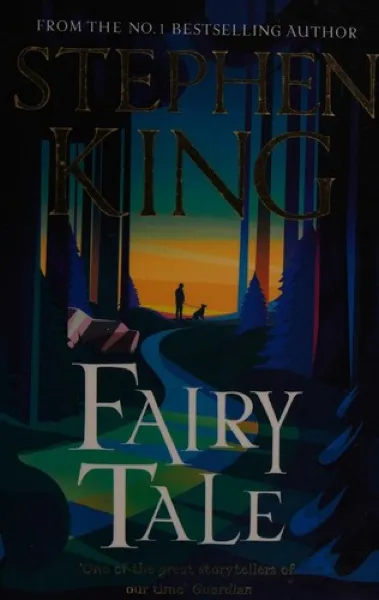
Stephen King — Fairy Tale (2022)
Radar, an arthritic German shepherd, is the reason to start: Charlie Reade inherits old Howard Bowditch's dog, then finds the shed behind the house and the well underneath it. Scribner published it on 6 September 2022 and it topped USA Today's bestseller list from the week of 15 September. Empis and its sundial are wonderful; the second half settles into a more ordinary adventure than that opening promised.
 Fairy TaleStephen King
 - 39
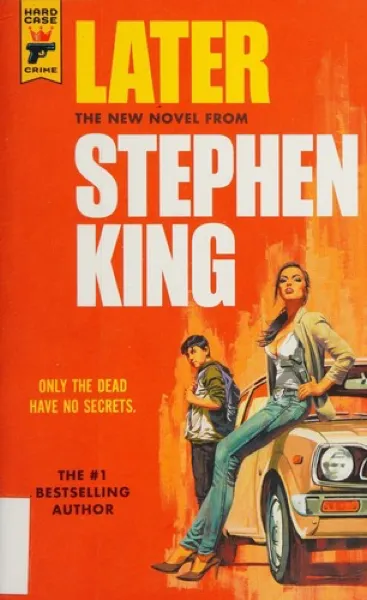
Stephen King — Later (2021)
Jamie Conklin sees the dead, and they have to answer him truthfully, so when his mother's biggest client, the romance novelist Regis Thomas, dies mid-book, Jamie goes and asks him how it was going to end. Hard Case Crime published it on 2 March 2021 with a Paul Mann cover, and it entered the New York Times fiction list at number two. Clean, short, and with no wasted motion in it.
 LaterStephen King
 - 40
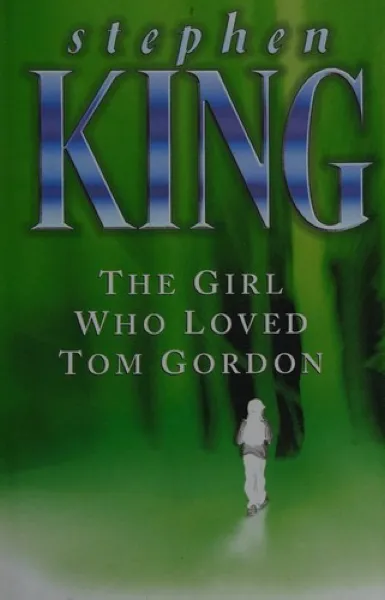
Stephen King — The Girl Who Loved Tom Gordon (1999)
Nine years old on King's own site and ten in Wikipedia's summary, and either way she strays off a hiking trail and is gone for days. Scribner published it in April 1999, and a pop-up edition designed by Kees Moerbeek followed in 2004. Almost no cast at all: a Walkman tuned to the ballgame, and a wasp-faced thing in the trees she names the God of the Lost.
 The Girl Who Loved Tom GordonStephen King
 - 41
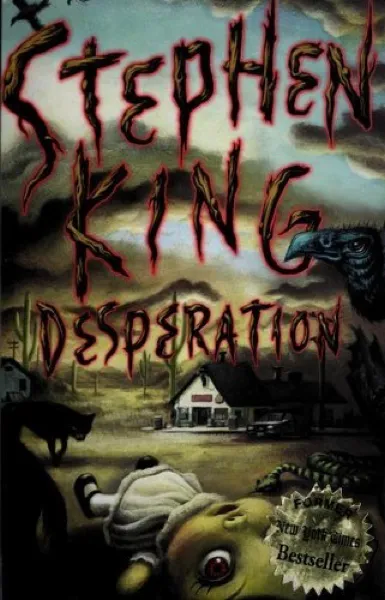
Stephen King — Desperation (1996)
Collie Entragian, a Nevada cop with something very old wearing him like a coat, arrests travelers off the desert highway for nothing at all, and that first third is as ferocious as he gets. Viking published it on 24 September 1996, in tandem with its Bachman-bylined companion The Regulators. Then Tak's mythology takes over, and eleven-year-old David Carver's faith gets more argument than most readers will sit through.
 DesperationStephen King
 - 42
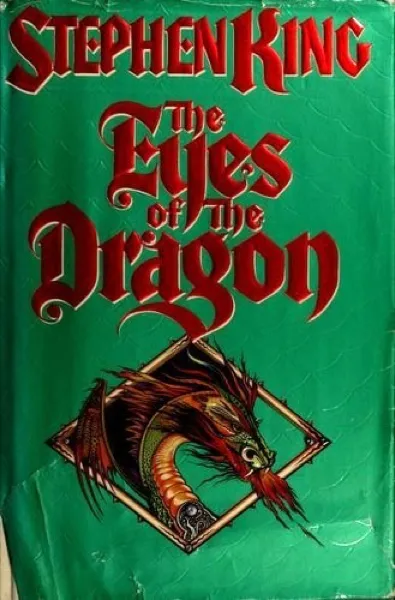
Stephen King — The Eyes of the Dragon (1984)
Naomi asked her father for dragons, so he wrote her a fairy tale instead of a horror novel. Philtrum Press issued it in 1984 with Kenneth R. Linkhauser's illustrations; Viking's trade edition, illustrated by David Palladini, followed in 1987, which is why two sources give two dates. Prince Peter spends five years in the Needle weaving a rope from napkin threads and his mother's dollhouse loom.
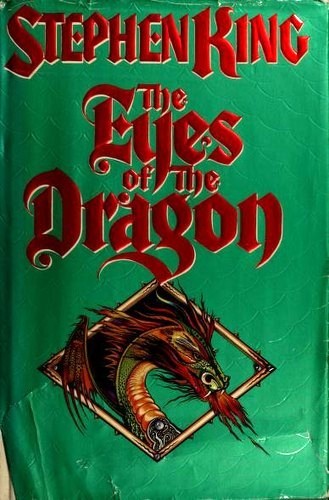 The Eyes of the DragonStephen King
 - 43
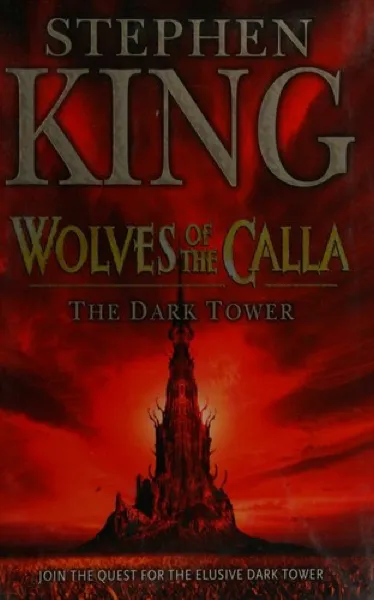
Stephen King — Wolves of the Calla (2003)
Kurosawa's Seven Samurai is the influence King acknowledges, and volume five stages it in Mid-World: raiders come each generation for one of every pair of twins and send them back roont. Nominated for the 2004 Locus Award for Best Fantasy Novel. Sisters of Oriza throwing sharpened plates is the finest invention in it, and Father Callahan's return from 'Salem's Lot gives a newcomer one thread to hold. The endgame machinery it must install slows the last third badly.
 Wolves of the CallaStephen King
 - 44
Stephen King — Insomnia (1994)
Ralph Roberts wakes a few minutes earlier every morning after his wife dies, and begins seeing the auras that hang above people. It is the most tender premise he has ever built for characters in their seventies. Lois Chasse is his equal, not his sidekick. Nominated for the Bram Stoker Award for Best Novel in 1994. Then Clotho, Lachesis and Atropos arrive with Dark Tower errands and the book buckles.
 InsomniaStephen King
 - 45

Stephen King — The Wind Through the Keyhole (2012)
Donald M. Grant issued the limited editions in February 2012 and Scribner the trade hardcover on 24 April 2012; the foreword files it as Dark Tower 4.5, sitting between Wizard and Glass and Wolves of the Calla. Three stories nest inside one another, and the innermost, Tim Ross walking into the woods to save his mother, is the best of them. Skippable in a way the other seven volumes never are.
 The Wind Through the KeyholeStephen King
 - 46
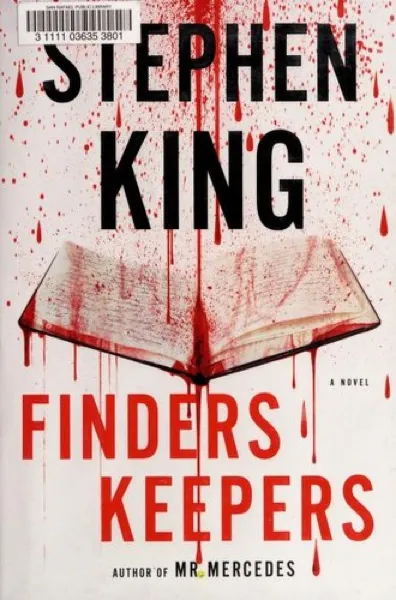
Stephen King — Finders Keepers (2015)
Morris Bellamy robs and murders the reclusive novelist John Rothstein in 1978 for his unpublished Jimmy Gold notebooks, then goes to prison for something else entirely and spends decades wanting them back. Published 2 June 2015 as the second Bill Hodges book, it is the most bookish thing King has written, and it is about loving a writer wrongly. Every stretch without Bellamy in it sags.
 Finders KeepersStephen King
 - 47
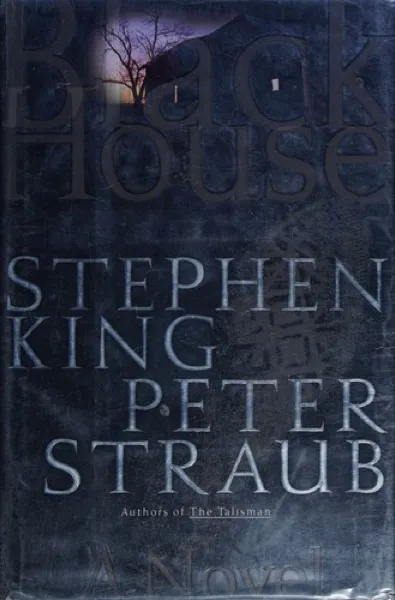
Stephen King — Black House (2001)
Random House published the second Peter Straub collaboration on 15 September 2001, seventeen years after The Talisman, dragging Jack Sawyer out of retirement in French Landing, Wisconsin, to chase a child-killer nicknamed the Fisherman, who copies the methods of the real Albert Fish. Prose that dense is a pleasure in itself. What weighs it down is the freight it takes on: the Crimson King, the Breakers, an entire other series pushing in.
 Black houseStephen King
 - 48
Stephen King — Holly (2023)
Retired professors Rodney and Emily Harris keep people in a basement cage and eat them, convinced it holds off what age is doing to them: two of the most quietly appalling monsters in the canon. Scribner published it on 5 September 2023, set in July 2021 with the pandemic still running. Gibney finally carries a whole book. You will know who took Bonnie Dahl by chapter three, and that costs it.
 HollyStephen King
 - 49
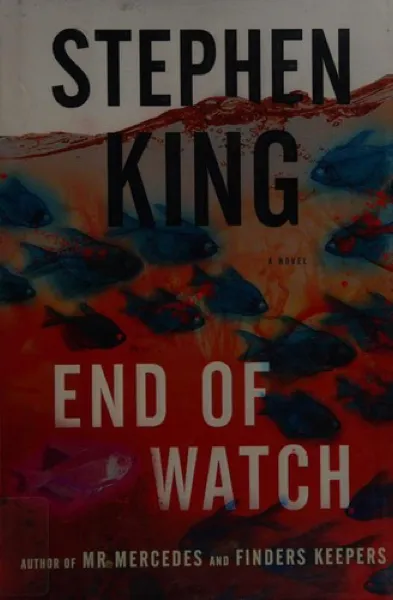
Stephen King — End of Watch (2016)
Pancreatic cancer, diagnosed with months left to run, is what Bill Hodges gets for a send-off, and the trilogy's last stretch is genuinely moving about a detective working while dying. Released 7 June 2016, it also hands Brady Hartsfield the power to move objects and to ride other people's bodies, plus a suicide-inducing handheld game, undoing the one thing that made Mr. Mercedes distinctive: no ghosts anywhere in it, just a man and a car.
 End of WatchStephen King
 - 50
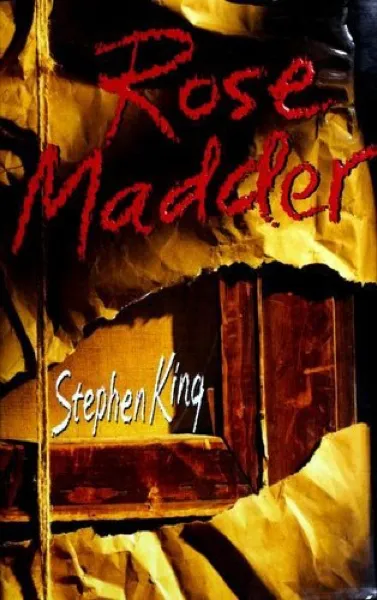
Stephen King — Rose Madder (1995)
On Writing lumps this together with Insomnia as one of the stiff, trying-too-hard novels, and the mythological half earns that verdict. The first hundred pages do not. Rosie Daniels leaving Norman, a policeman whose speciality is finding missing persons, is as frightening as anything King wrote in the nineties. Then she buys a painting, walks into it, and meets a blind one-eyed bull named Erinyes.
 Rose MadderStephen King
 - 51
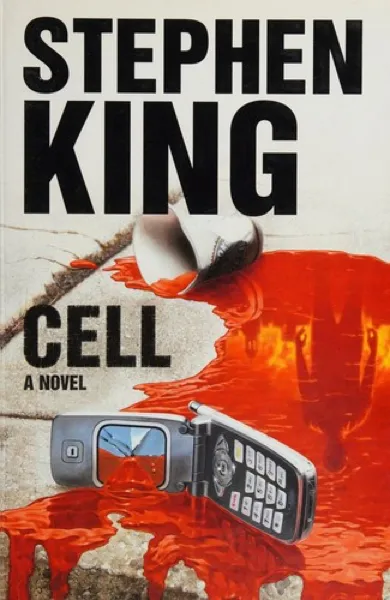
Stephen King — Cell (2006)
Boston, mid-afternoon, and a signal called the Pulse goes out through every mobile phone on the planet, stripping its users back to something feral while Clayton Riddell watches from the street. Scribner published it on 24 January 2006. What follows, the flocks and the Raggedy Man in his torn red Harvard hoodie, is a competent road novel that never again touches those first fifty pages.
 CellStephen King
 - 52
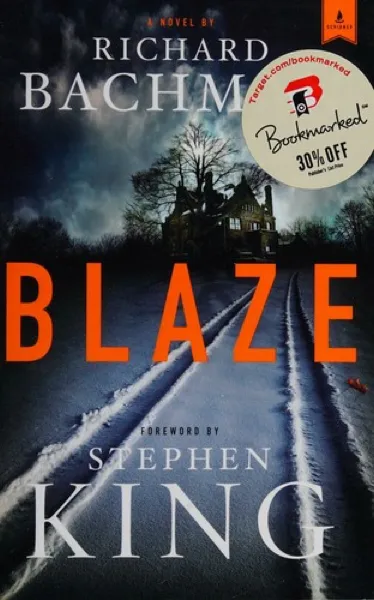
Stephen King — Blaze (2007)
Clayton Blaisdell Jr., taking orders from his dead partner George Rackley, kidnaps a rich man's baby and cannot make himself go through with any of it. Typed in 1973 on an Olivetti, before Carrie, and found among King's papers at the University of Maine's Fogler Library in late 2006. Scribner issued it as Richard Bachman in 2007, thirty-four years after it was typed. Tender, and still learning.
 BlazeStephen King
 - 53
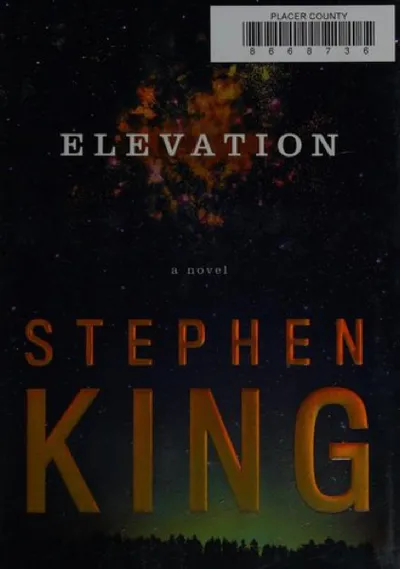
Stephen King — Elevation (2018)
Scott Carey is losing weight steadily and unstoppably while his body stays exactly the size it was, and the book declines either to explain that or to be frightened by it. Scribner published the hardcover on 30 October 2018. Its designation is genuinely contested: the cover says novel, King has called it a novella. Small, kind, over quickly, and ranked here on scale rather than on quality.
 ElevationStephen King
 - 54

Stephen King — Gwendy's Final Task (2022)
Sixty-four years old and a United States Senator from Maine, Gwendy Peterson rides up to a space station to fire the button box into deep space. Written with Richard Chizmar and published on 15 February 2022, it is the one of the three that both King's site and Wikipedia call a novel. The early-onset Alzheimer's is the real material: she is losing the memory the job needs, and dreads not knowing her own name by the time she gets home.
 Gwendy's Final TaskStephen King
 - 55
Stephen King — Never Flinch (2025)
Currently the most recent published King novel: Scribner, 27 May 2025, 448 pages. Two plots run side by side. One is an anonymous letter promising to kill thirteen innocent people and one guilty one in restitution for a man who died wrongly imprisoned; the other is Holly Gibney guarding the feminist speaker Kate McKay on tour. Both are decent engines. Neither gets the room it wanted; they meet only by proximity.
Never FlinchStephen King - 56
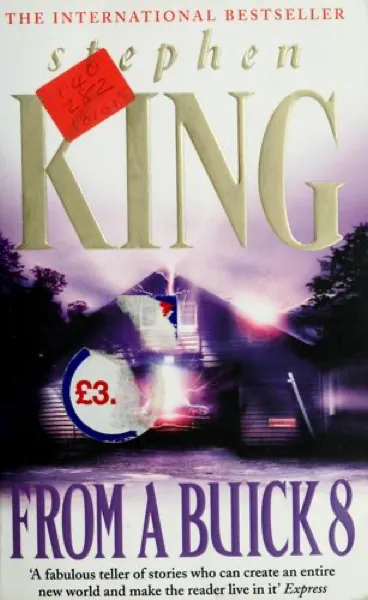
Stephen King — From a Buick 8 (2002)
Troopers Ennis Rafferty and Curtis Wilcox towed an abandoned Roadmaster back from a rural Pennsylvania filling station in 1979, and Troop D has kept it in a shed ever since. Scribner published the novel on 24 September 2002. Its steering wheel will not turn and its engine has no moving parts, and nobody is ever told why: a real artistic position, honestly held, and hard going.
 From a Buick 8Stephen King
 - 57
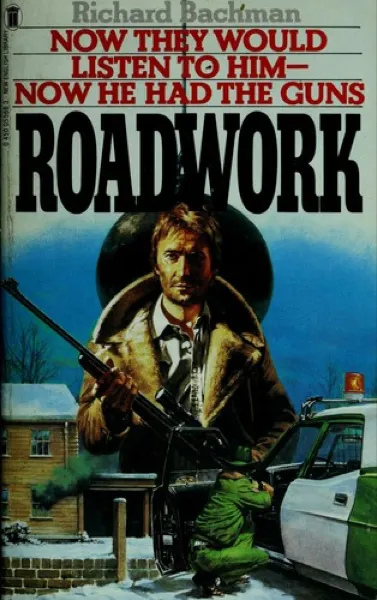
Stephen King — Roadwork (1981)
Grief, not suspense, is the engine here. King wrote in his introduction to The Bachman Books that it was an effort to make sense of his mother's death the year before, and later called it his favorite of the early ones. Barton George Dawes will not surrender his house or his laundry to a highway extension, and buys explosives instead. A 1981 Bachman paperback original from New American Library.
 RoadworkStephen King
 - 58

Stephen King — Song of Susannah (2004)
Mia, calling herself daughter of none, has commandeered Susannah's body to bear Roland's son, and the sixth Dark Tower volume spends most of its length moving people through doors. It was nominated for the 2005 Locus Award for Best Fantasy Novel. Putting King himself into Maine in 1977 to be visited by his own characters is clever and costly. Least able to stand alone of the eight.
 Song of SusannahStephen King
 - 59
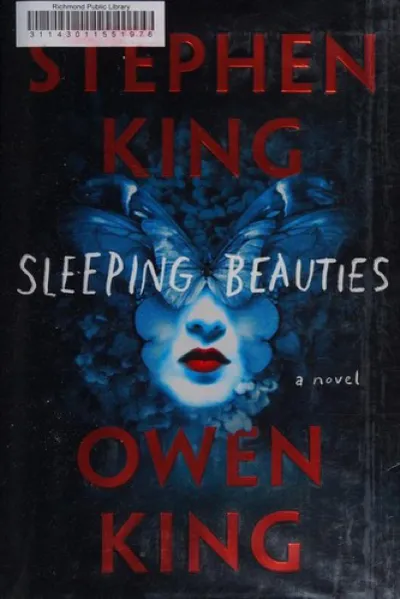
Stephen King — Sleeping Beauties (2017)
Aurora puts every sleeping woman on earth inside a cocoon, and whoever tears one open meets what comes out, which is as strong a premise as King has ever started with. Written with his son Owen King, published 26 September 2017, and voted that year's Goodreads Choice Award for Horror. Then it spreads across a whole town's worth of viewpoints and lets Evie Black settle the argument far too neatly.
Sleeping BeautiesStephen King - 60
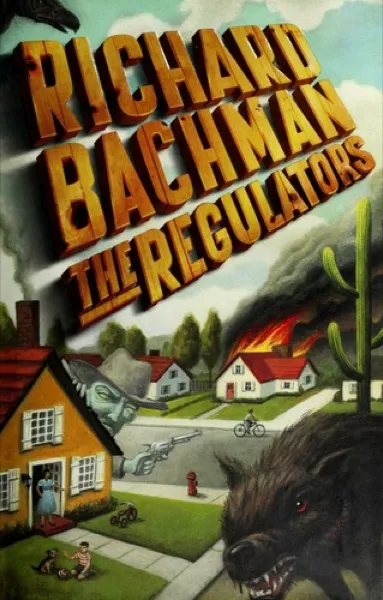
Stephen King — The Regulators (1996)
Issued in 1996 beside Desperation, its cover art completing a single painting when the two hardcovers are set side by side, this is the experiment half: the same character names dealt into a different reality. Credited to Richard Bachman. Tak possesses an autistic eight-year-old, Seth Garin, and rebuilds Poplar Street in Wentworth, Ohio, out of the cartoon MotoKops 2200. Seth is the reason to stay: his autism keeps a corner of his mind his own while Tak drives it.
 The RegulatorsStephen King
 - 61
Stephen King — The Tommyknockers (1987)
Putnam published it on 11 November 1987, and King told Rolling Stone in 2014 that it is an awful book, the last one he wrote before he cleaned up, with a good book buried under the spurious energy cocaine provides. He is right on both counts. Bobbi Anderson tripping over the edge of a buried ship in the woods behind her house is a perfect opening chapter.
 The TommyknockersStephen King
 - 62
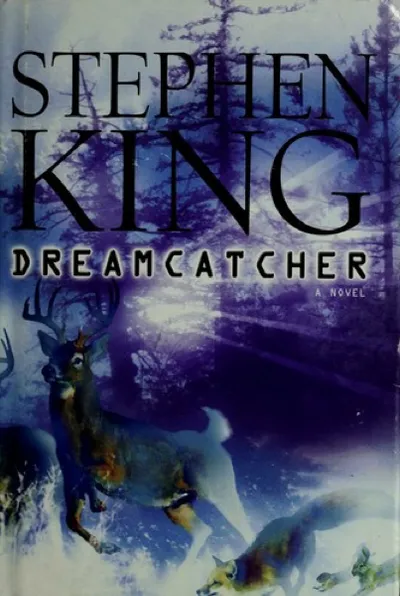
Stephen King — Dreamcatcher (2001)
Composed in longhand while King was recovering from the 1999 roadside accident that nearly killed him, and titled Cancer in draft according to his own afterword. Jonesy, Beaver, Pete and Henry are among the best adult friendships he has drawn, and Duddits earns every bit of the sentiment. Then the aliens land. King told Rolling Stone in 2014 that he does not like it very much.
 DreamcatcherStephen King
 - 63

Stephen King — The Colorado Kid (2005)
Hard Case Crime put it out as a paperback original in 2005, and it later handed Syfy's Haven, which began on 9 July 2010, its starting point. Two old newspapermen on Moose-Lookit Island, Vince Teague and Dave Bowie, walk their intern through the one story they never cracked: James Cogan, dead on Hammock Beach with a Russian coin in his pocket. No solution arrives. That refusal is the argument.
 The Colorado KidStephen King
 - 64
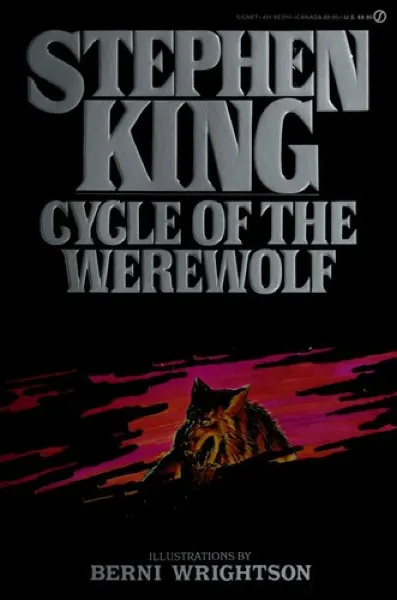
Stephen King — Cycle of the Werewolf (1983)
Bernie Wrightson's illustrations came first, because the project began life as a calendar, which is why there are twelve chapters, one per month, and why the pictures are the reason to own it. Land of Enchantment issued the limited edition in 1983 and Signet the trade in 1985, so the year depends which you count. Marty Coslaw, ten and in a wheelchair, works out that the werewolf is Reverend Lester Lowe.
 Cycle of the WerewolfStephen King
 - 65
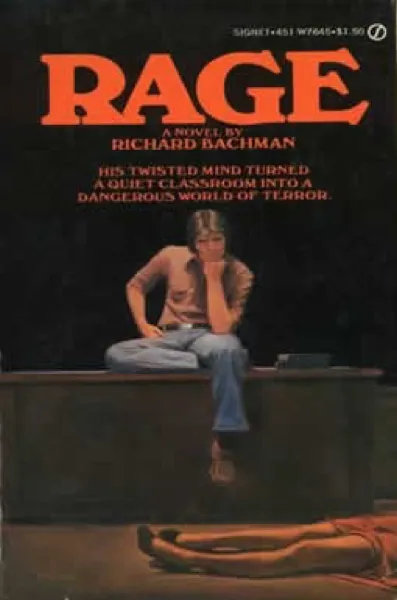
Stephen King — Rage (1977)
Withdrawn at the author's own request. After Michael Carneal was found with a copy following the Heath High School shooting of December 1997, the last of several incidents in which the book surfaced, King asked his publisher to stop printing it, and later editions of The Bachman Books drop it. Signet issued it in September 1977 as Richard Bachman. Charlie Decker holding his algebra class through a four-hour standoff is sharp, furious, unmistakably his.
 RageStephen King
How this list was ranked
Readers rank this list by voting items up and down. Items are ordered by reader votes.