Retro Tech That's Still Worth Owning
Rank these on one question: what still has to be true tomorrow for the thing to work? Vote the order into shape. Retro here means first sold in 2010 or earlier, or an honest reissue of a design that old. Worth owning means three checks: no server behind it, whatever it uses up is still made, and either its maker still ships it or a repairer can fix it from ordinary parts. The order runs in four bands, oldest design first inside each: still sold new and needing nothing but power, still sold new but needing a supply, out of production and needing nothing, out of production and needing a supply. Seven entries link a maker's own page, six because the maker still sells them and one because Nikon's page outlived the camera; nine link Wikipedia, no maker page for them having turned up. The Walkman, the NES and the original Atari 2600 went to the influential-gadgets list. MiniDisc and the PSP failed the test.
Shure SM58 is #1 on “Retro Tech That's Still Worth Owning”.
- 1
Shure SM58
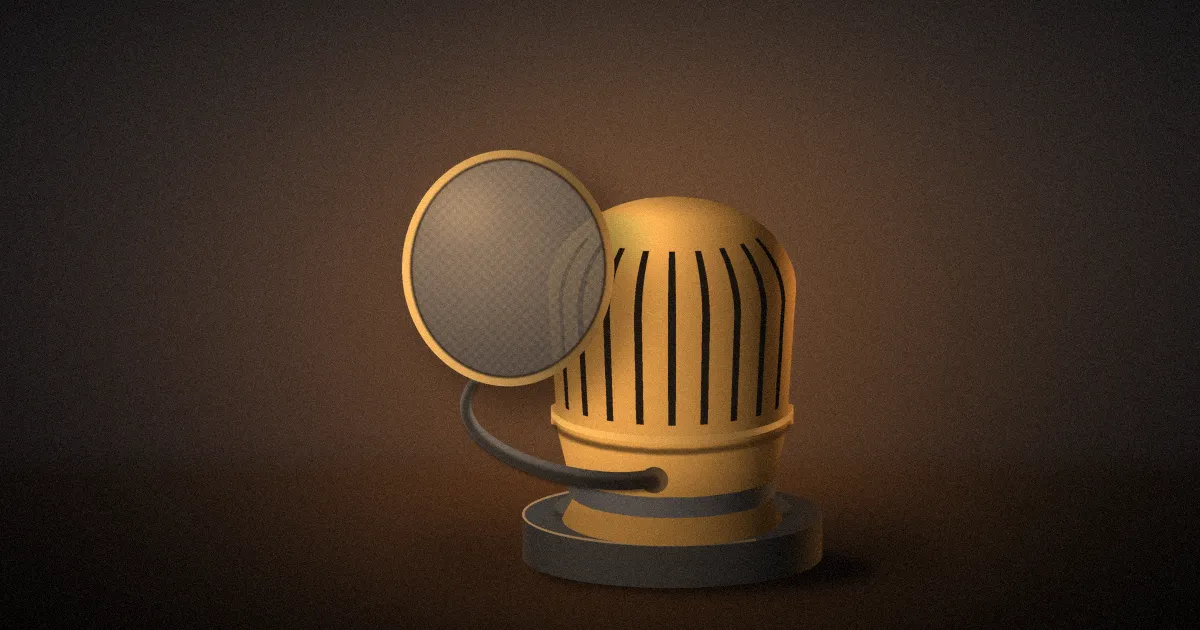
Produced since 1966 and still on Shure's own US product page, which is a strange thing to be able to say about any piece of electronics. Being a dynamic, moving-coil design, it takes no power at all and has no firmware to rot. The unidirectional cardioid pickup pattern is why it survived: it keeps the drum kit behind the singer mostly out of the mix. Dent the grille and carry on.
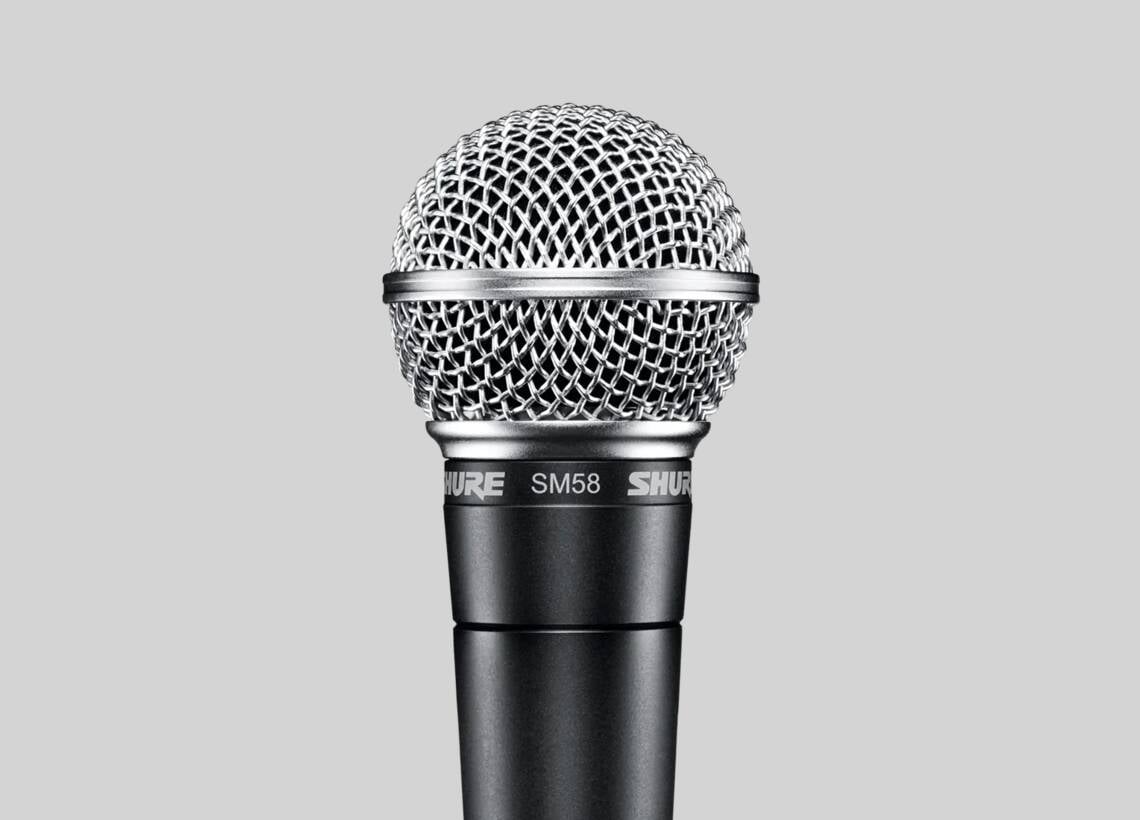 Vocal MicrophoneThe Shure SM58 is the most popular dynamic microphone in the world. This vocal microphone is the choice of both legends and the top artists of today. https://www.shure.com/en-US/products/microphones/sm58
 - 2
Atari 2600+
Built as a reissue of the four-switch console Atari's own page dates to 1980, and the point of it is the slot. It plays both Atari 2600 and 7800 game cartridges, the physical carts, not a ROM menu, and HDMI output gets it onto a television made this decade. Mains power is the only thing it uses up. New cartridges are still being manufactured and sold on the same site.
https://atari.com/products/atari-2600-plus - 3
Casio F-91W
Introduced in June 1989 and still in Casio's standard range, which is roughly why it costs about as much as lunch. Casio's own spec line claims approximately seven years of battery life on a CR2016 cell, a coin battery any pharmacy stocks. The alarm is feeble and the backlight is worse. You will still be wearing it in a decade, and so will everyone else.
https://www.casio.com/intl/watches/casio/standard/standard/products/f-91w/ - 4
Tivoli Audio Model One
Sold since 2000 and still in its maker's catalog, the little box does exactly one job. A single three-inch full range driver sits in a furniture grade wood cabinet, and the tuning dial is geared five to one so you can creep onto a weak station instead of skidding past it. Three controls, no menus, nothing to pair. Broadcast radio is the whole dependency list.
 Model OneWith a tuner that brings clarity to many of the weakest stations, the Model One radio features a handmade wood cabinet that is both beautiful and the ideal acoustically inert housing. Want wireless streaming also? Check out the Model One BT.https://tivoliaudio.com/products/model-one-classic-retro-am-fm-table-radio
 - 5
TI-84 Plus
Texas Instruments still lists the model it released in 2004 on its own education site. The eight-line by sixteen-character display is monochrome, and the machine runs on four AAA batteries with a lithium backup. Slow, ugly, indestructible. Nobody buys one for pleasure and nobody needs to replace one either, because it will outlive three phones and every calculator app you ever install.
 TI-84 Plus Graphing Calculator | Texas InstrumentsTI-84 Plus offers expanded graphing performance—3x the memory of TI-83 Plus—Improved display—Preloaded with applications for math and science. Get more with TI.https://education.ti.com/en/products/calculators/graphing-calculators/ti-84-plus
 - 6
Technics SL-1200MK7
Matsushita introduced the SL-1200 series in October 1972, and a current model is still sold by its maker, which is the cleanest pass anything here manages. The MK7 uses a coreless direct drive motor, so there is no cogging from an iron core. It is also the one entry with a real running cost, because styli wear out and records have to come from somewhere: global pressing plants were turning out roughly 180 million LPs a year as of 2021.
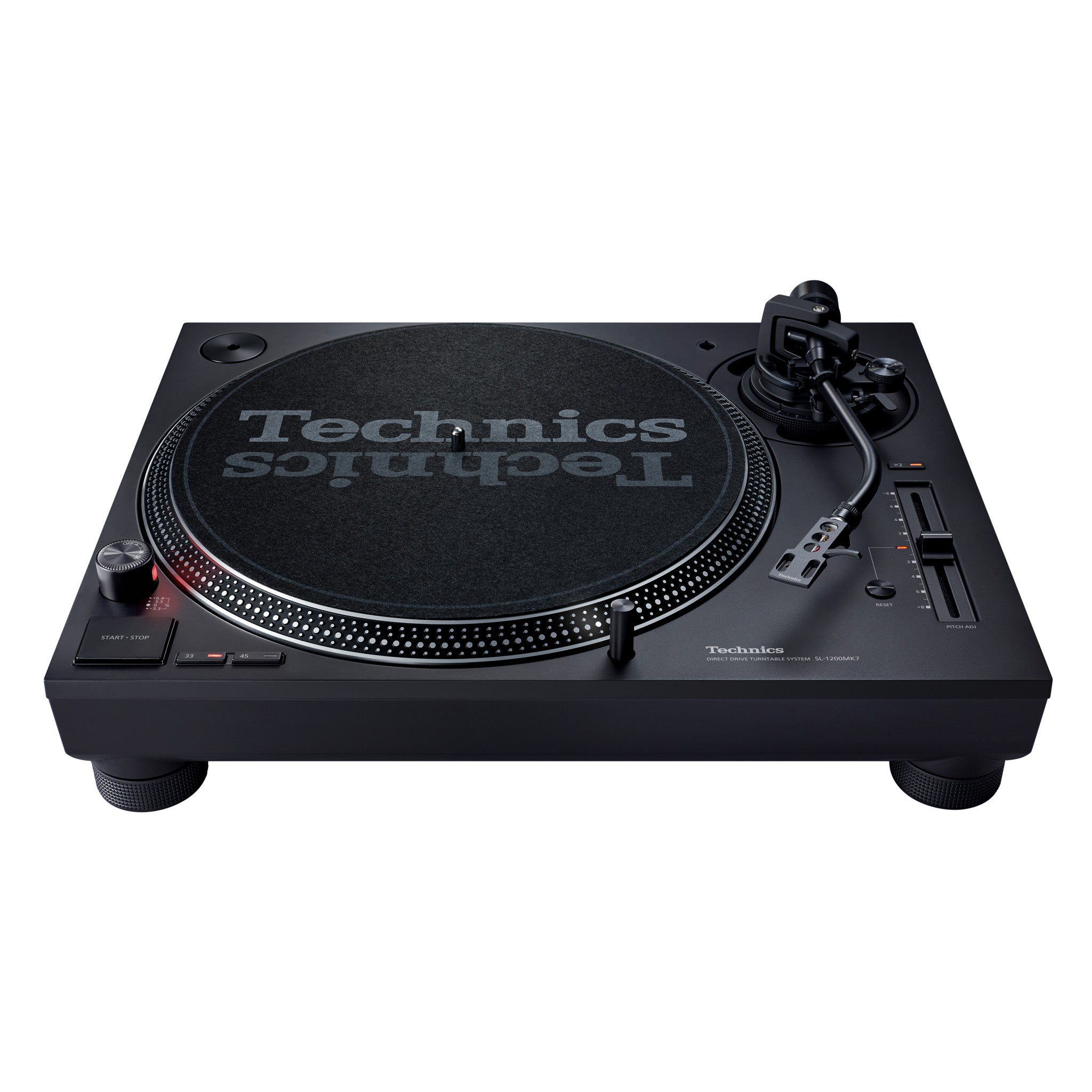 Direct Drive Turntable System SL-1200MK71299.99 USDAs the go-to choice of DJs the world over, the SL-1200 Series has long been a dominant presence on the global music scene. The latest model, the SL-1200MK7, has continued to evolve, with the highest possible sound quality and wide-ranging DJ functions to expand audio possibilities. A new standard in DJ turntables has ahttps://us.technics.com/products/direct-drive-turntable-system-sl-1200mk7
 - 7
Sony Discman
Launched in 1984, the D-50 was built to be the size of four CD cases stacked on top of each other, and it went out at about half the price of the CDP-101. Discs you already own are the only software it wants, and pressing has not stopped: Japan alone produced 132 million units in 2019. The name was retired in 2000, folded into CD Walkman.
 Discman - Wikipediahttps://en.wikipedia.org/wiki/Discman
 - 8
Commodore Amiga
Nothing else in 1985 sounded like this. The custom chipset did work the processor could not: Paula supports four PCM sound channels, two for each speaker, and the Original Chip Set arrived with the A1000 that July. Commodore went bankrupt in 1994. What keeps one alive now is ordinary stuff, a recap, a replacement supply, an SD card standing in for the floppy drive.
 Amiga - Wikipediahttps://en.wikipedia.org/wiki/Amiga
 - 9
TurboGrafx-16
Hudson Soft designed it, NEC manufactured it, and it debuted in Japan as the PC Engine on October 30, 1987. Games arrive on HuCards, thin credit-card-sized ROM cards that slide into the front slot, so there is no disc drive to go out of alignment. The library is small and the good carts are expensive. The hardware barely breaks.
 TurboGrafx-16 - Wikipediahttps://en.wikipedia.org/wiki/TurboGrafx-16
 - 10
Sega Genesis
Mega Drive in Japan from October 29, 1988, and Genesis in North America the year after. The Yamaha YM2612 FM synthesis chip is the machine's whole personality, that gritty buzzing bass nothing else made. Cartridges do not rot, the shell is screwed together rather than glued, and a tired capacitor is a short job for anyone who owns a soldering iron.
 Sega Genesis - Wikipediahttps://en.wikipedia.org/wiki/Sega_Genesis
 - 11
Nintendo Game Boy
Released in Japan on April 21, 1989, and powered internally by four AA batteries, which is most of the reason it still works. No charger to lose, no glued-in pack to swell and split the shell. The screen is a green swamp until somebody fits a backlight, an afternoon's work. Cartridges are durable, cheap and everywhere, and none of it wants the internet.
 Game Boy - Wikipediahttps://en.wikipedia.org/wiki/Game_Boy
 - 12
Super Nintendo Entertainment System
Japan got the Super Famicom on November 21, 1990. Mode 7 is the trick everyone remembers, scaling and rotating a background plane to fake perspective on hardware that had no business doing it. Its Ricoh 5A22 processor could hand work off to enhancement chips baked into the cartridges themselves. Plug it into a television and it runs. No account, no update, no store to close.
 Super Nintendo Entertainment System - Wikipediahttps://en.wikipedia.org/wiki/Super_Nintendo_Entertainment_System
 - 13
iPod Classic
Apple sold the first one on November 10, 2001, and the final version carried a 160 GB hard drive, still more music than most people have ever owned. Loading it needs a computer and nothing else; no server decides whether you may press play. The battery and the drive are what die, and both get swapped routinely with commodity parts and a plastic pry tool.
 iPod Classic - Wikipediahttps://en.wikipedia.org/wiki/IPod_Classic
 - 14
Compact Cassette
Philips introduced the format in August 1963, and tape still crawls past the head at 1 7/8 inches per second. Slow, narrow, hissy, and back in production: National Audio Company started making its own magnetic tape in 2018, becoming the first known manufacturer of an all-new tape stock. Decks turn up cheap, belts cost pennies, and a tape you recorded is a thing you actually own.
 Cassette tape - Wikipediahttps://en.wikipedia.org/wiki/Cassette_tape
 - 15
Polaroid SX-70
Folding single lens reflex, produced between 1972 and 1981, and the only reason it belongs on any present-tense list is that Polaroid still manufactures the film. Color packs for it run at ASA 160, eight photos to a pack. The body collapses into a slab of leather and chrome with nothing electronic to expire. Bodies need servicing; film is the part you keep buying.
 Polaroid SX-70 - Wikipediahttps://en.wikipedia.org/wiki/Polaroid_SX-70
 - 16
Nikon FM10
Manual-control film body with broad compatibility with the NIKKOR lens system, in Nikon's own words, on a page Nikon now stamps as archived. So you buy it used, and everything on it is mechanical, which is why a repairer can still work on one. Kodak reported in 2022 that it was struggling to keep up with demand for 35 mm film. Cheapest honest way into an SLR.
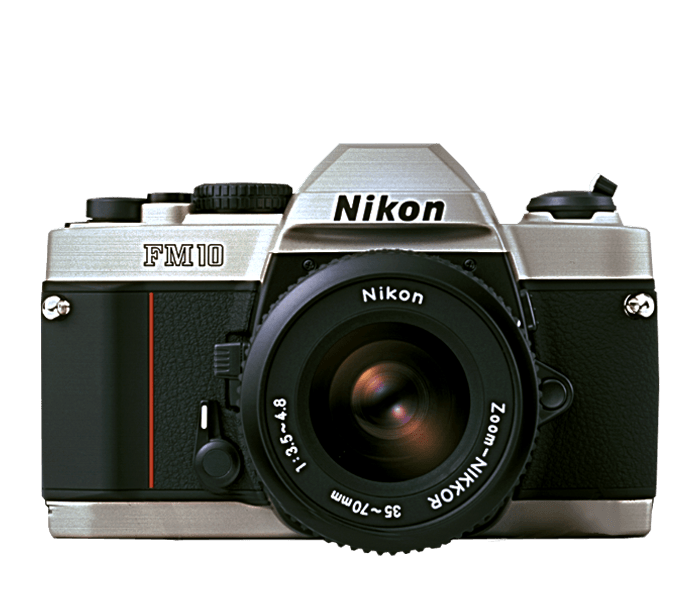 Nikon FM10 | Film Cameras | Nikon USA569.95 USDCombining essential image control with Nikon dependability and capability, this manual control film camera has broad compatibility with the NIKKOR lens system.https://www.nikonusa.com/p/fm10/1689/overview
How this list was ranked
Readers rank this list by voting items up and down. Items are ordered by reader votes.