Underrated European Cities Worth a Detour
Underrated here has a narrow meaning: a city travelers skip on purpose, because a better-known neighbor absorbs the trip. Vote the order into shape. The rank runs on the size of that gap, meaning what a place holds that would headline anywhere else, set against how firmly the neighbor holds on to the days. Both are judgment calls rather than measurements, so every entry names what it gets skipped for and the one documented thing that pays for the detour, whether that is the Ghent Altarpiece or thirty-eight kilometers of portico. Nobody detours to Florence or Vienna, which is why they stayed off: they are where the trip was already going. A city nobody has heard of is a different list entirely.
Bologna is #1 on “Underrated European Cities Worth a Detour”.
- 1
Bologna
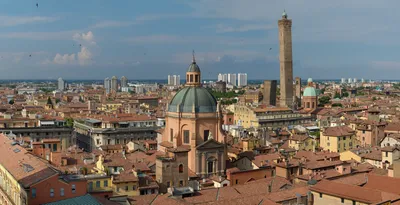
An hour from Florence on the fast train, and most travelers ride straight past. The university was established in AD 1088. The porticoes are the better reason to break the journey: 38 kilometers of covered walkway through the historic center, added to the UNESCO list in 2021, which means you can cross the old center in the rain without an umbrella.
 Bologna - Wikipediahttps://en.wikipedia.org/wiki/Bologna
 - 2
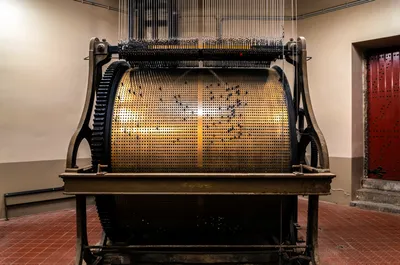
Ghent
Bruges takes the coach parties from half an hour up the line. The reason to stop here instead is the Ghent Altarpiece, hanging in St Bavo's Cathedral. By the 13th century this was the biggest city in Europe north of the Alps after Paris, bigger than Cologne or Moscow, and the beguinages, the belfry and its adjacent cloth hall were recognized by UNESCO in 1998 and 1999.
 Ghent - Wikipediahttps://en.wikipedia.org/wiki/Ghent
 - 3
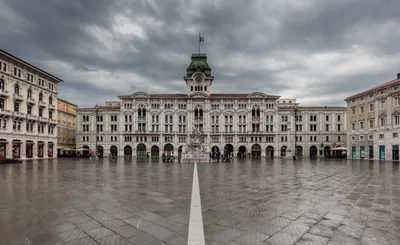
Trieste
Order a coffee and you are drinking at the port that supplies more than 40% of Italy's coffee. The nights get booked in Venice instead. This was Habsburg territory from 1382 until 1918, and a free port from 1719 under Charles VI, and the nineteenth-century facades around Piazza Unità d'Italia are what that arrangement paid for.
 Trieste - Wikipediahttps://en.wikipedia.org/wiki/Trieste
 - 4
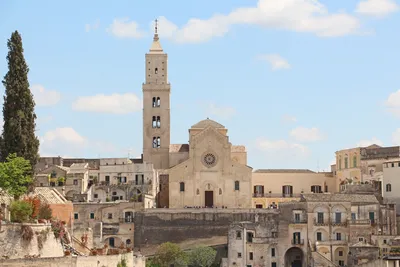
Matera
A whole district here was emptied by the state and later reclaimed. Southern Italy usually means the Amalfi Coast. Between 1952 and the 1970s the government relocated all the inhabitants of the Sassi into new housing on the Piano; UNESCO listed the cave city in December 1993, which attracted tourism and sped the reclaiming up. Sasso Caveoso, the southern of the two cave districts, faces Montescaglioso.
 Matera - Wikipediahttps://en.wikipedia.org/wiki/Matera
 - 5
Plovdiv
Philip II of Macedon settled Thracians and 2,000 Macedonians here in 342 BC. Sofia sits 144 km northwest with the ministries and the airport, so this keeps the antiquity. The Roman theater is probably the best-known monument from antiquity in Bulgaria, and the Roman stadium went up in the 2nd century, during the reign of Hadrian.
 Plovdiv - Wikipediahttps://en.wikipedia.org/wiki/Plovdiv
 - 6
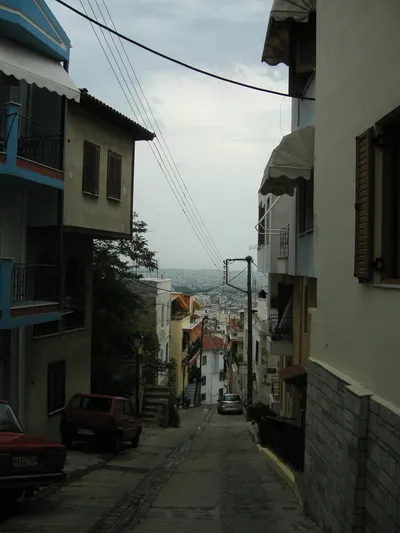
Thessaloniki
Most people fly over it on the way to Athens and the islands. Cassander founded the place in 315 BC, the Ottomans took it in 1430, and Greece got it on 8 November 1912. The Great Fire of 1917 destroyed most of the old center; the early Christian and Byzantine monuments that survived joined the UNESCO list in 1988. The White Tower on the waterfront is stylized on the municipal flag.
https://en.wikipedia.org/wiki/Thessaloniki - 7
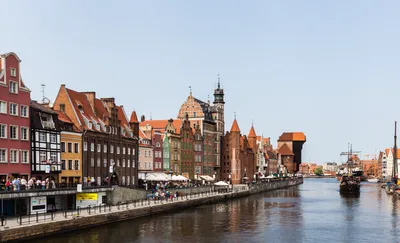
Gdańsk
Built in 1444, two years after a fire, the waterfront crane is still one of the landmarks people photograph here. Kraków wins every argument about which Polish city to visit, so the Baltic port gets the leftover night: a port that joined the Hanseatic League in 1358 and built St Mary's, among the largest brick churches in the world, in the 15th century.
 Gdańsk - Wikipediahttps://en.wikipedia.org/wiki/Gda%C5%84sk
 - 8
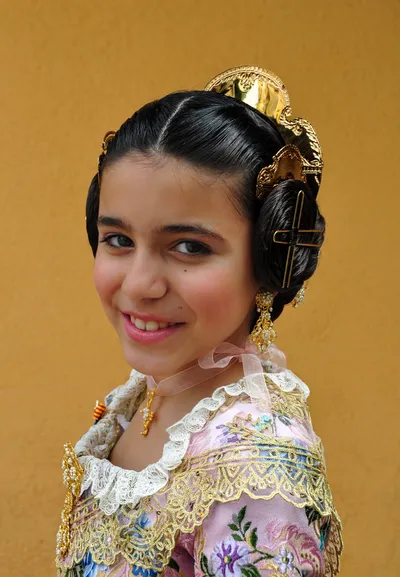
Valencia
Calatrava's City of Arts and Sciences in the former Túria riverbed is the picture everyone knows, and it still loses the flight search to Barcelona. Under all of it is a Roman colony founded in 138 BC as Valentia Edetanorum, and the Central Market, built in Valencian Art Nouveau style and among the largest in Europe, is where the city does its shopping.
 Valencia - Wikipediahttps://en.wikipedia.org/wiki/Valencia
 - 9
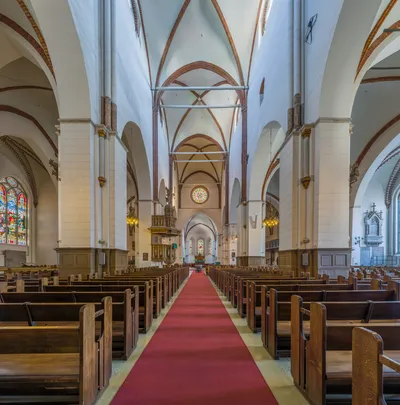
Riga
Art Nouveau runs through whole blocks of the historical center, which is part of why UNESCO listed it. Stockholm and Helsinki are where the Baltic short break happens; this gets the connecting flight. The city was founded in 1201 and joined the Hanseatic League in 1282, and the House of the Blackheads, completely destroyed in the war and its ruins demolished afterwards, is the reconstruction you photograph.
 Riga - Wikipediahttps://en.wikipedia.org/wiki/Riga
 - 10
Wrocław
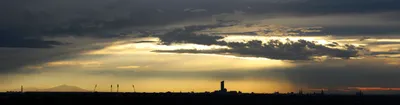
Bronze dwarfs grew out of the Orange Alternative protest movement and are now the city's symbol. The Polish trip fills up with Kraków and Warsaw before it reaches here, leaving a night if the train times work out. Max Berg's Centennial Hall was built between 1911 and 1913 and carries a UNESCO listing of its own, and Ostrów Tumski, the island the city started from, is where the cathedral stands.
 Wrocław - Wikipediahttps://en.wikipedia.org/wiki/Wroc%C5%82aw
 - 11
Tallinn
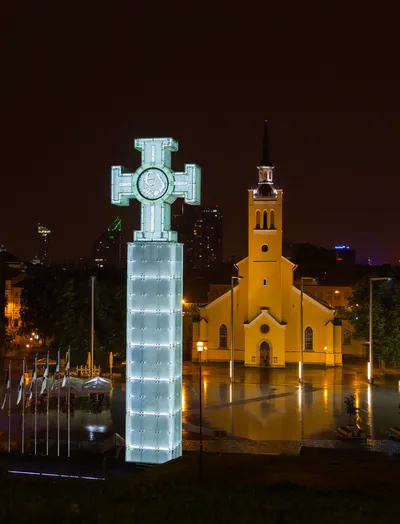
Ferries from Helsinki hand it six hours and a shopping list. The Old Town became a World Heritage Site in 1997, and Old Thomas, a weather vane shaped like an old warrior, has stood on the town hall spire since 1530. Lübeck city rights arrived in 1248, so set a night against that rather than an afternoon between boats.
 Tallinn - Wikipediahttps://en.wikipedia.org/wiki/Tallinn
 - 12
Sibiu
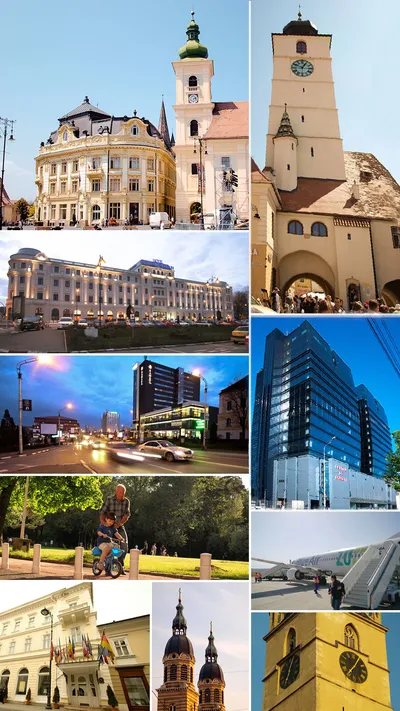
Eyebrow dormers in the old roofs earned the nickname The Town with Eyes, and from Piața Mare they do seem to be watching. Transylvania itineraries run to Bran Castle and back. Renamed Villa Hermanni in 1223, after a Hermann the sources cannot agree on, this held the European Capital of Culture title in 2007, shared that year with Luxembourg City.
 Sibiu - Wikipediahttps://en.wikipedia.org/wiki/Sibiu
 - 13
Bratislava
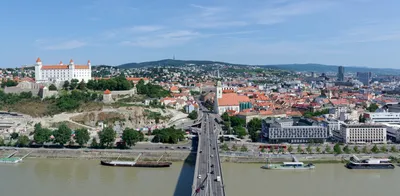
Eleven Hungarian kings and queens were crowned at St Martin's Cathedral between 1536 and 1830, which is not the reputation it carries now. Vienna is an hour up the Danube, and day-trippers give this four hours and a photograph of the castle. Grassalkovich Palace, built around 1760, is the Slovak president's residence.
 Bratislava - Wikipediahttps://en.wikipedia.org/wiki/Bratislava
 - 14
Ljubljana
Bled's lake and island get the postcard, and the capital gets used as somewhere to sleep first. The 1901 Dragon Bridge, with a dragon on a pedestal at each of its four corners, turned into the symbol of the city. Prešeren Square, with the Franciscan Church of the Annunciation on it, is the center, small enough to see in an afternoon, which is exactly why people give it one.
 Ljubljana - Wikipediahttps://en.wikipedia.org/wiki/Ljubljana
How this list was ranked
Readers rank this list by voting items up and down. Items are ordered by reader votes.