The Best Houseplants for Beginners (Hard to Kill)
Fifteen houseplants that survive being forgotten. Rank them by how much neglect you have actually put one through, and vote the fragile pretenders down. Everything here tolerates irregular watering, a dim room, or both. Every entry links its own species article rather than a genus page, which is why the ZZ plant is absent: English Wikipedia files it under the genus Zamioculcas and gives it no species page of its own. Ordering runs on two axes, how long a plant goes unwatered and how dark a corner it will accept. Succulents that shrug off drought but sulk in shade, like jade and aloe, sit mid-table rather than at the top. Ties go to whichever takes more abuse. Toxicity is stated only where that species' own article states it, so silence here means unconfirmed rather than safe. Anything needing a humidity tray, grow lights or daily attention was left out on purpose.
Snake Plant (Dracaena trifasciata) is #1 on “The Best Houseplants for Beginners (Hard to Kill)”.
- 1
Snake Plant (Dracaena trifasciata)
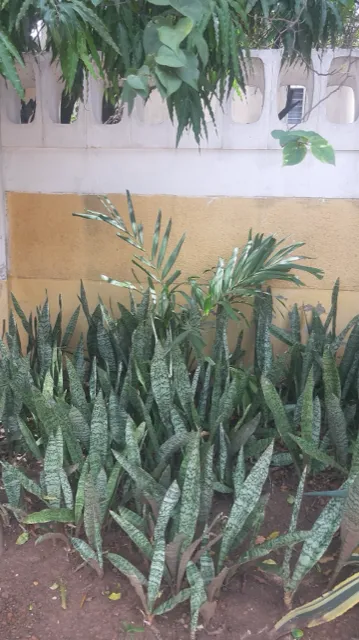
Renamed out of Sansevieria in 2017, it still turns up on shop labels as Sansevieria trifasciata. Native to tropical West Africa, it runs crassulacean acid metabolism and tolerates low light plus irregular watering; in winter it needs only one watering every few months, and it rots easily if you overdo it. The saponins are mildly toxic to dogs and cats, so a chewer gets gastrointestinal upset.
 Dracaena trifasciata - Wikipediahttps://en.wikipedia.org/wiki/Dracaena_trifasciata
 - 2
Cast-Iron Plant (Aspidistra elatior)
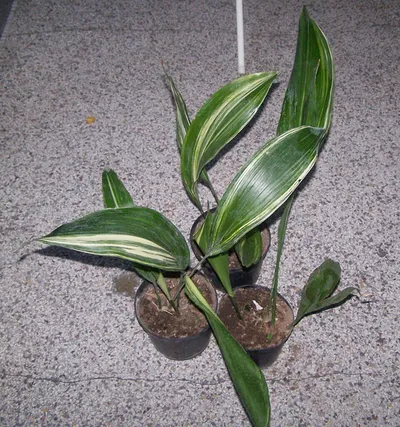
The bar-room-plant nickname is earned: here is the one that survives a pub windowsill nobody tends. A species from Japan and Taiwan, it is tolerant of low light, low humidity, temperature fluctuation and irregular watering, and takes temperatures down to -15 °C (5 °F). Keep it away from direct sun or the leaves bleach. Its article states no toxicity either way, so treat that as unknown rather than safe.
 Aspidistra elatior - Wikipediahttps://en.wikipedia.org/wiki/Aspidistra_elatior
 - 3
Pothos / Devil's Ivy (Epipremnum aureum)
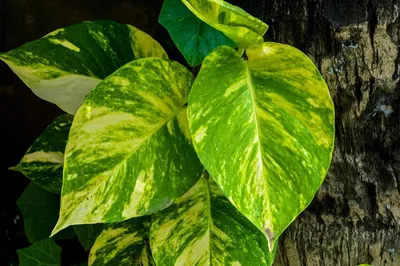
Wild populations of the species sit on Mo'orea in the Society Islands, a strange origin for something sold in supermarkets. Water only when the soil feels dry to the touch, typically once every one to two weeks, and it will forgive a dim hallway. The ASPCA lists it as toxic to cats and dogs because of insoluble raphides: oral irritation, vomiting, difficulty swallowing.
 Epipremnum aureum - Wikipediahttps://en.wikipedia.org/wiki/Epipremnum_aureum
 - 4
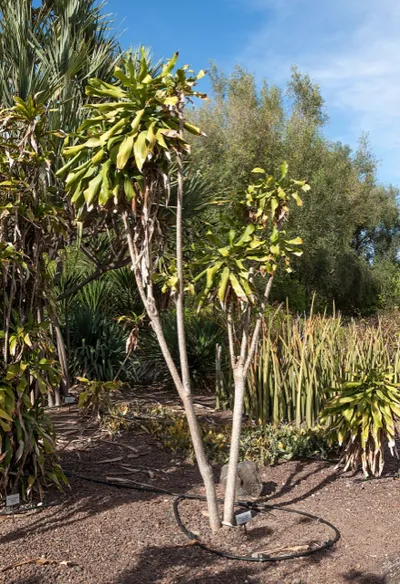
Corn Plant (Dracaena fragrans)
Sold as a thick cane with a leaf rosette stuck on top, it comes from upland tropical Africa between 600 and 2,250 m. Its selling point indoors is range: it tolerates everything from bright indirect light to bright shade and even deep shade, which is why it survives office lobbies. Nothing in its article addresses toxicity to pets, so do not assume it is safe around a cat that chews.
 Dracaena fragrans - Wikipediahttps://en.wikipedia.org/wiki/Dracaena_fragrans
 - 5
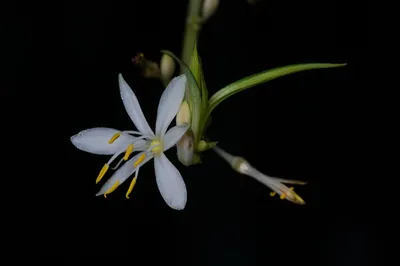
Spider Plant (Chlorophytum comosum)
Non-toxic to humans and pets, and per its article considered edible, which makes it the entry to buy if a cat eats everything. The dangling plantlets, called spiderettes, root straight into potting soil while still attached to the parent, so one pot becomes six for free. It tolerates temperatures down to 2 °C (35 °F) but does its growing between 18 and 32 °C.
 Chlorophytum comosum - Wikipediahttps://en.wikipedia.org/wiki/Chlorophytum_comosum
 - 6
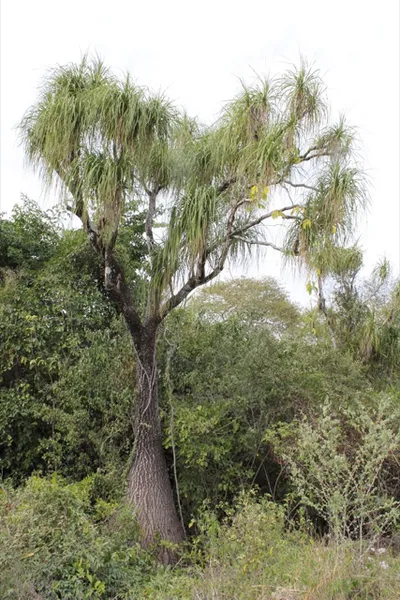
Ponytail Palm (Beaucarnea recurvata)
Not a palm at all, and not toxic to dogs, cats or horses, because the article says so outright, which is rarer than you would think. Endemic to eastern Mexico, it stores water in an enormously expanded caudex, the swollen base that lets it shrug off a missed month. Hardy to 10 °C (50 °F), it needs a mix that drains, because overwatering fosters pests.
 Beaucarnea recurvata - Wikipediahttps://en.wikipedia.org/wiki/Beaucarnea_recurvata
 - 7
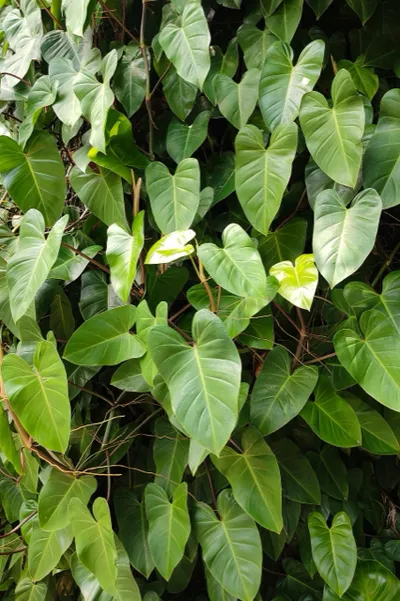
Heartleaf Philodendron (Philodendron hederaceum)
Labels still call it Philodendron scandens; the accepted name is P. hederaceum, native to Central America and the Caribbean. It trails off a shelf in light too poor for most things and asks for a minimum temperature of 15 °C (59 °F). On safety, be precise: the leaves carry calcium oxalate crystals, and while it is known to be toxic to mice and rats, the literature on cats is conflicting.
 Philodendron hederaceum - Wikipediahttps://en.wikipedia.org/wiki/Philodendron_hederaceum
 - 8
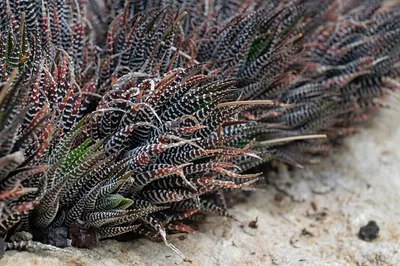
Zebra Haworthia (Haworthiopsis attenuata)
Moved out of Haworthia into Haworthiopsis, so half the shops still label it Haworthia attenuata. A small Eastern Cape succulent, it wants bright light without much direct sun, since too much turns the leaves white or yellow. In winter it can be watered as infrequently as once every two weeks. No toxicity is stated in its article, in either direction.
 Haworthiopsis attenuata - Wikipediahttps://en.wikipedia.org/wiki/Haworthiopsis_attenuata
 - 9
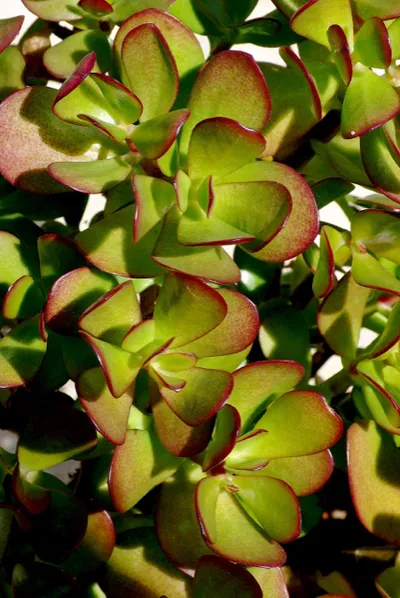
Jade Plant (Crassula ovata)
From KwaZulu-Natal, the Eastern Cape and Mozambique, the succulent stores enough in its leaves to skip a month. The catch is light: it requires four to six hours of direct sun per day, or medium shade with bright light, so a north-facing corner makes it leggy. The article hedges on toxicity, since claims that it poisons horses, cats and dogs remain unproven, but sap or leaves cause dermatitis in humans.
 Crassula ovata - Wikipediahttps://en.wikipedia.org/wiki/Crassula_ovata
 - 10
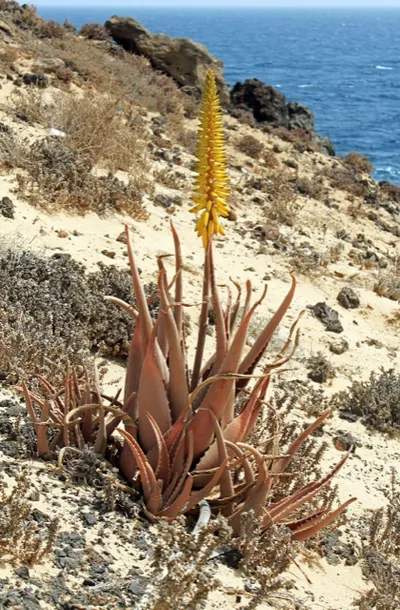
Aloe Vera (Aloe vera)
Everyone kills theirs by kindness. Potted, it wants sandy, well-drained soil, bright sunny conditions, and to dry out completely before rewatering, and that last instruction is the whole game. It is hardy in zones 8 to 11 and intolerant of heavy frost. The leaves contain aloin, a toxic compound, and oral ingestion of extracts may cause acute abdominal pain and cramps.
 Aloe vera - Wikipediahttps://en.wikipedia.org/wiki/Aloe_vera
 - 11
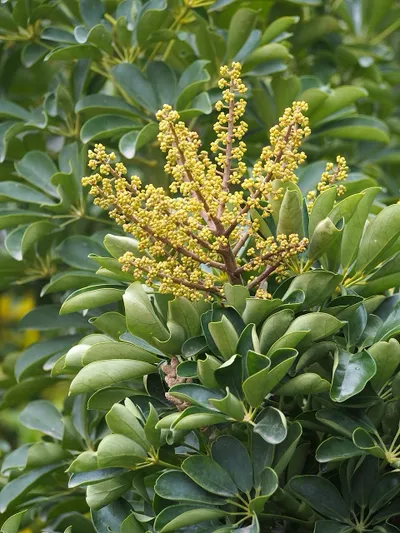
Dwarf Umbrella Tree (Heptapleurum arboricola)
Reclassified out of Schefflera, so the accepted name is now Heptapleurum arboricola, which almost no shop label has caught up with. Native to Hainan and Taiwan, it adapts to a wide variety of light levels and asks only that the soil dry out between waterings, since sitting in water causes root rot. All parts carry calcium oxalate crystals, saponins and terpenoids that irritate cats and dogs; for humans it is a low-severity poison and skin irritant.
 Heptapleurum arboricola - Wikipediahttps://en.wikipedia.org/wiki/Heptapleurum_arboricola
 - 12
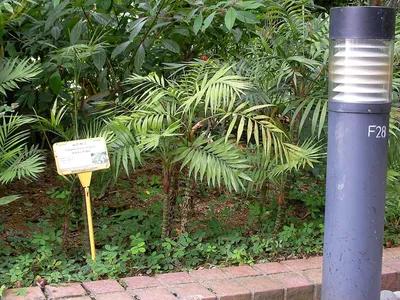
Parlour Palm (Chamaedorea elegans)
A rainforest floor species from southern Mexico and Guatemala, which is why it tolerates low levels of humidity and light instead of demanding a humidity tray. Its one firm request is a cool winter: the room it overwinters in preferably does not exceed 12-14 °C (54-57 °F). Frost kills it outright. Toxicity is not addressed in its article, so no claim gets made here.
 Chamaedorea elegans - Wikipediahttps://en.wikipedia.org/wiki/Chamaedorea_elegans
 - 13
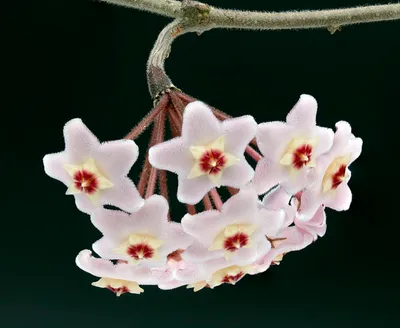
Wax Plant (Hoya carnosa)
Waxy, almost artificial-looking leaves, on a species native to southern China, Taiwan, Laos and Japan including the Ryukyus. It prefers indirect bright light but will tolerate much less, and sits happiest at 60-85 °F (16-29 °C). Leave it pot-bound; a persistent piece of belief among growers holds that a small pot brings on the umbels of star-shaped flowers. Its article makes no toxicity statement, so none is claimed.
 Hoya carnosa - Wikipediahttps://en.wikipedia.org/wiki/Hoya_carnosa
 - 14
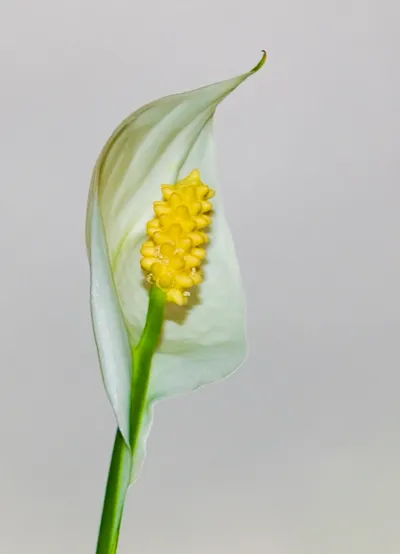
Peace Lily (Spathiphyllum wallisii)
Found growing wild in Colombia in the late 19th century, and the entry here most likely to announce thirst by collapsing flat and then recovering. It lives best in shade and is watered about once a week. Worth being exact for cat owners: the Spathiphyllum article calls it only mildly toxic, with calcium oxalate crystals causing burning and difficulty swallowing, and says it is not a true lily and does not cause the kidney failure Lilium does.
 Spathiphyllum wallisii - Wikipediahttps://en.wikipedia.org/wiki/Spathiphyllum_wallisii
 - 15
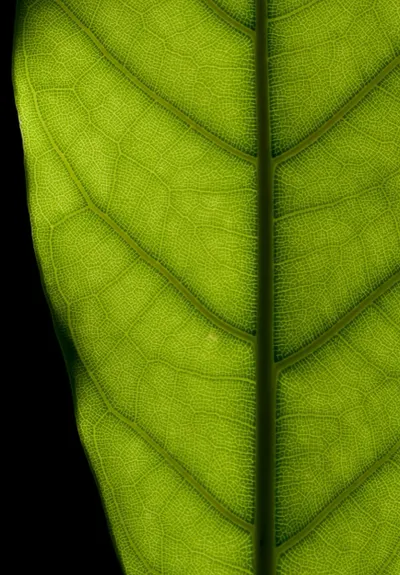
Rubber Plant (Ficus elastica)
Native from Nepal down through Myanmar, Thailand, Yunnan, Malaysia and Indonesia, it has a high tolerance for drought, which is what earns it a place here despite preferring bright light. Every part carries abundant milky white latex, and that latex can irritate the eyes and skin and is toxic if taken internally, so wipe the leaves with gloves and keep cuttings away from children.
 Ficus elastica - Wikipediahttps://en.wikipedia.org/wiki/Ficus_elastica
How this list was ranked
Readers rank this list by voting items up and down. Items are ordered by reader votes.