The Best City Parks in America
Sixteen big American parks, ranked in two bands and open to your vote if the order looks wrong to you. The nine over 600 acres go by seniority, meaning the year each park's article dates its ground to public use, because past a certain size more acres stop buying you anything. You cannot walk it all either way. Under 600 acres you can walk the whole thing in an afternoon, so those seven are ranked by acreage, largest down to smallest. That is why Boston Common, older than everything above it, finishes fifteenth: fifty acres is fifty acres. Grant Park and Millennium Park both appear, and the second sits inside the first. Not all of these are run by the cities they sit in. Rock Creek Park passed to the National Park Service in 1933, Belle Isle has been a Michigan state park under lease since 2014, and City Park in New Orleans answers to a state body rather than City Hall. Left off: greenways, rail-trail conversions and riverfront promenades.
Balboa Park is #1 on “The Best City Parks in America”.
- 1
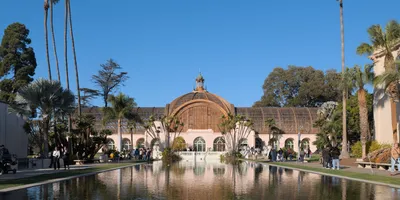
Balboa Park
Set aside in 1835, when Alta California authorities reserved a 1,400-acre tract of pueblo land in San Diego for the public's recreational purposes. Two world's fairs, in 1915-16 and again in 1935-36, left the Spanish Colonial Revival frontages that make El Prado look four centuries older than it is. The Spreckels Organ Pavilion holds an outdoor pipe organ counted among the world's largest, sitting out where the weather gets at it.
 Balboa Park (San Diego) - Wikipediahttps://en.wikipedia.org/wiki/Balboa_Park_(San_Diego)
 - 2
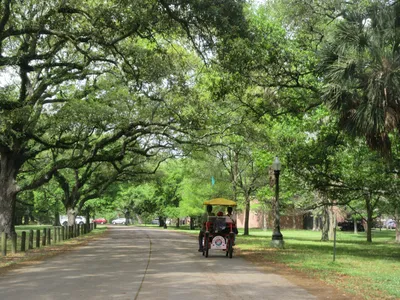
City Park, New Orleans
Live oaks are the point here: the world's largest collection of mature ones, some past 600 years old, standing over ground that John McDonogh's will reserved for park purposes in 1850. The land belongs to New Orleans but a state body runs it, the City Park Improvement Association, not the city's own Parks and Parkways department. Katrina flooded 95 percent of the grounds in 2005 and toppled an estimated thousand trees.
 City Park (New Orleans) - Wikipediahttps://en.wikipedia.org/wiki/City_Park_(New_Orleans)
 - 3
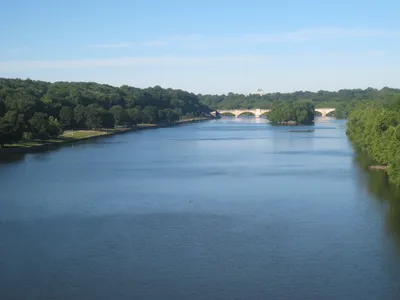
Fairmount Park
Philadelphia retired the phrase 'Fairmount Park system' after a 2010 merger, so older sources describing thousands of acres are describing something that no longer goes by that name; Wissahickon Valley Park counts as a separate entity now. What is left is East Park and West Park either side of the Schuylkill, 2,052 acres together, public since a city council ordinance of 15 September 1855. Memorial Hall survived the 1876 Centennial Exposition, and the Please Touch Museum is inside it.
 Fairmount Park - Wikipediahttps://en.wikipedia.org/wiki/Fairmount_Park
 - 4
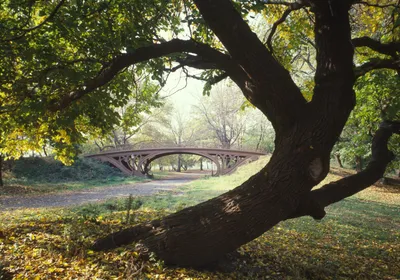
Central Park
April 1858 is the date to know: that month the park commissioners picked Frederick Law Olmsted and Calvert Vaux's Greensward Plan out of the competition, and 843 acres of Manhattan got built to it. Their cleverest move was sinking the crosstown roads out of sight. Walk down to Bethesda Terrace and Fountain, one of only three major structures finished during the Civil War, and the traffic simply is not there.
https://en.wikipedia.org/wiki/Central_Park - 5
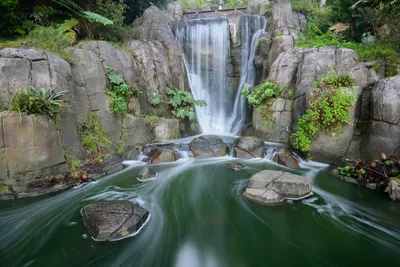
Golden Gate Park
Frederick Law Olmsted proposed something here in 1865 and got turned down; the job went to engineer William Hammond Hall, and the park opened in 1870 across 1,017 acres of shifting sand. Bison have been kept on the grounds since 1891, which still catches people out. Start at the Conservatory of Flowers, open since 1879 and the oldest building on site, then walk west until the windmills stop you.
 Golden Gate Park - Wikipediahttps://en.wikipedia.org/wiki/Golden_Gate_Park
 - 6
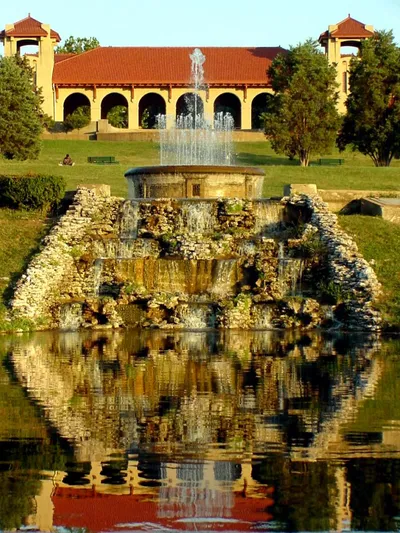
Forest Park, St. Louis
Roughly 500 acres larger than Central Park and open since 1876, this one hosted the 1904 World's Fair and then the diving, swimming and water polo events of the 1904 Summer Olympics. Zoo and art museum both charge nothing at the door. Climb Art Hill and the fairground logic snaps into place: the Grand Basin below you sits where Festival Hall and its cascades once stood.
 Forest Park (St. Louis) - Wikipediahttps://en.wikipedia.org/wiki/Forest_Park_(St._Louis)
 - 7
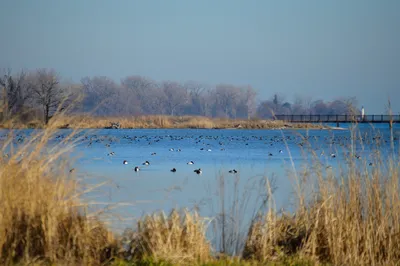
Belle Isle Park
Detroit still owns this 982-acre island but no longer runs it: a lease signed in October 2013 turned it into a Michigan state park on 10 February 2014, so arriving by car now means a Recreation Passport sticker or the standard state entrance fee. Frederick Law Olmsted was hired in the 1880s to lay the place out. At the east end stands the William Livingstone Memorial Light, the only marble lighthouse in the United States.
 Belle Isle Park - Wikipediahttps://en.wikipedia.org/wiki/Belle_Isle_Park_(Michigan)
 - 8
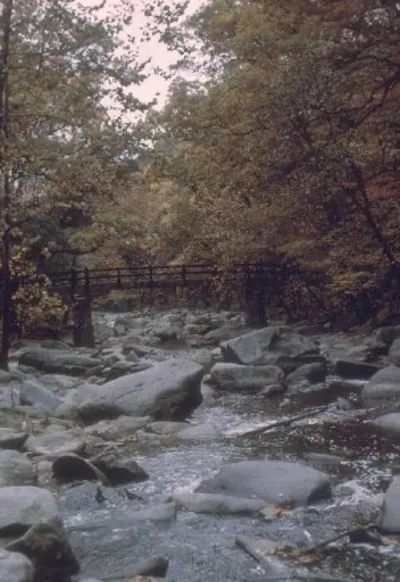
Rock Creek Park
Peirce Mill, a water-powered grist mill dating to the 1820s, still stands beside the creek. Congress created the park around it by act in 1890, but the Rock Creek Park Commission ran the place until 1933, when jurisdiction passed to the National Park Service along with the rest of National Capital Parks. Federal ground rather than municipal, 1,754 acres cutting straight through the Northwest quadrant.
 Rock Creek Park - Wikipediahttps://en.wikipedia.org/wiki/Rock_Creek_Park
 - 9
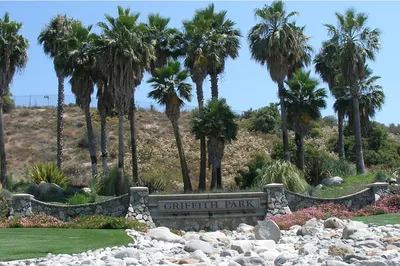
Griffith Park
Land came to the city on 16 December 1896, when Griffith J. Griffith and his wife Christina handed over 3,015 acres with a stipulation attached: public parks should be places 'where neither race, creed nor color should be excluded'. The total runs to 4,310 acres now, most of it dry chaparral hillside under the Hollywood Sign. Its carousel has been turning since 1929, the one that gave Walt Disney the idea.
 Griffith Park - Wikipediahttps://en.wikipedia.org/wiki/Griffith_Park
 - 10
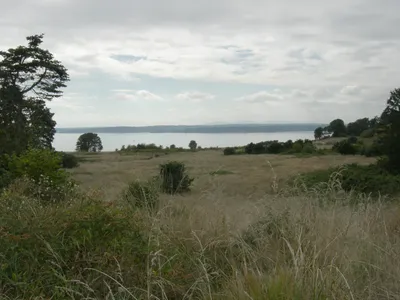
Discovery Park, Seattle
Fort Lawton was the army's until the land was surplused in 1971, handed to the city in 1972 and dedicated as a park the year after. What Seattle got was 534 acres of forest, prairie, beach and bluff on Puget Sound. The Loop Trail runs 2.8 miles and was designated a National Recreation Trail in 1975. Walking down to the shore is easy and the climb back up is not.
 Discovery Park (Seattle) - Wikipediahttps://en.wikipedia.org/wiki/Discovery_Park_(Seattle)
 - 11
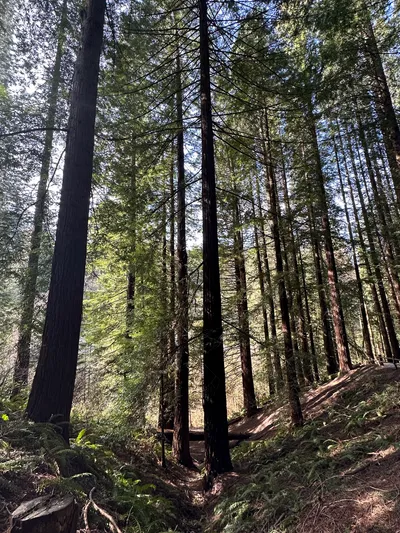
Washington Park, Portland
The city bought the first 40.78 acres from Amos King in 1871 for $32,624, and the grounds now cover more than 458 acres of steep wooded hillside with over 15 miles of trail cut through them. Hoyt Arboretum alone holds nearly 6,000 trees and shrubs across more than 2,000 species. Parking is the weak point, so take the free Washington Park Shuttle from the MAX station instead, seven days a week, year round.
 Washington Park (Portland, Oregon) - Wikipediahttps://en.wikipedia.org/wiki/Washington_Park_(Portland,_Oregon)
 - 12
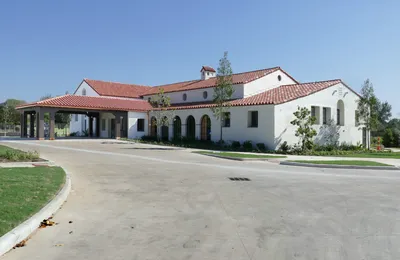
Hermann Park
Houston's zoo has sat inside these 445 acres since 1922, at the south end of the Museum District, on land George H. Hermann bequeathed to the city for public green space in 1914. The sharpest fact here is administrative though: the Hermann Park Golf Course became one of the first desegregated public courses in the United States in 1954, and nothing on the fairways says so.
 Hermann Park - Wikipediahttps://en.wikipedia.org/wiki/Hermann_Park
 - 13
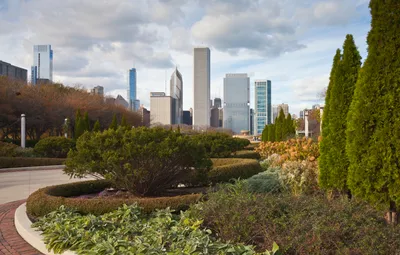
Grant Park, Chicago
Aaron Montgomery Ward fought four separate court battles, opposed by nearly every civic leader in town, to keep buildings off this ground, and the open lakefront you walk across today is the settlement he won. Renamed for Ulysses S. Grant in 1901, its 319 acres carry Lollapalooza every summer now. Buckingham Fountain was Kate Sturges Buckingham's 1927 gift in memory of her brother Clarence, and it throws its display every 20 minutes from April to October.
 Grant Park (Chicago) - Wikipediahttps://en.wikipedia.org/wiki/Grant_Park_(Chicago)
 - 14
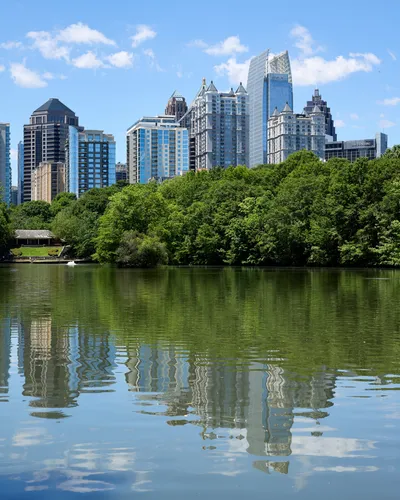
Piedmont Park
Atlanta's dirt running path rings the Active Oval, and inside that ring sit two softball fields, two soccer fields and two beach volleyball courts. The ground cost the city $98,000 in 1904, nine years after the Cotton States and International Exposition ran across it for 100 days from September 1895. Olmsted's sons drew the master plan in 1909, and its bones are still legible on the map.
 Piedmont Park - Wikipediahttps://en.wikipedia.org/wiki/Piedmont_Park
 - 15
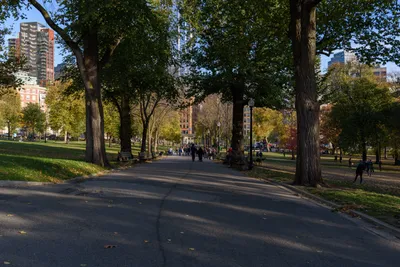
Boston Common
Oldest city park in the United States, opened in 1634 and grazed as a cow pasture through that first decade; restrictions arrived in 1646 and cows were banned outright in 1830. Fifty acres now, bounded by five major streets, which is small for what it carries. On the Boylston Street side, the Central Burying Ground holds the graves of the painter Gilbert Stuart and the composer William Billings.
 Boston Common - Wikipediahttps://en.wikipedia.org/wiki/Boston_Common
 - 16
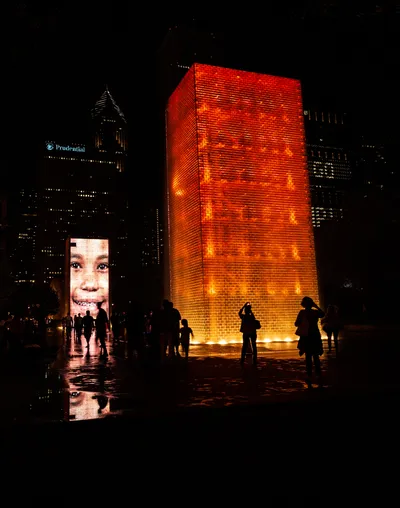
Millennium Park
Cloud Gate weighs 110 short tons of polished steel and measures 33 by 66 by 42 feet, which is most of why anyone comes. Illinois Central rail yards and parking lots covered this ground before construction started in October 1998; the park opened on 16 July 2004, four years behind schedule. Skidmore, Owings & Merrill did the overall layout, with Frank Gehry, Anish Kapoor and Jaume Plensa folded in on top.
 Millennium Park - Wikipediahttps://en.wikipedia.org/wiki/Millennium_Park
How this list was ranked
Readers rank this list by voting items up and down. Items are ordered by reader votes.