Must-See Places in Tokyo
Sixteen places inside Tokyo, ranked by how much of the city you fail to understand if you skip them. Vote the order into whatever you would hand a friend. Consensus does most of the work at the top and judgment does the rest: where two entries felt level, the higher one is the one I would regret missing on a short trip. Everything here is a single site with its own article, whether a temple, a garden, a museum, a theater or a junction. Day trips are out by definition, so Nikkō, Kamakura, Hakone and Mount Fuji are absent and are not oversights. Restaurants and single shops belong on the Food and Drink lists. Ueno Park, Tokyo Tower, Akihabara and Yanaka were all cut late; Shinjuku Golden Gai is the one district-sized entry and is flagged as a border case in its own description. Argue with the bottom six first, because that is where this order is softest.
Sensō-ji is #1 on “Must-See Places in Tokyo”.
- 1
Sensō-ji
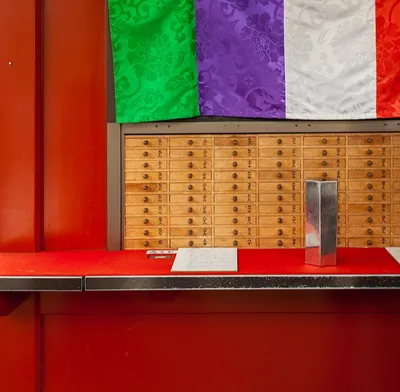
Founded, by the temple's own account, in 628, after two brothers pulled a Kannon statue out of the Sumida River. The main hall and the pagoda were destroyed in the firebombing of 10 March 1945 and rebuilt afterwards. The approach is the point: Nakamise-dōri runs about 250 meters and packs in around 72 shops before the incense smoke starts. Come at seven in the morning and it is a different building.
View on Google Maps - 2
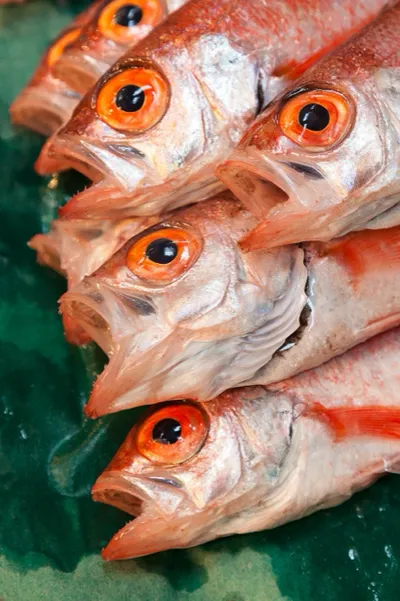
Tsukiji fish market
Wholesale operations left for Toyosu on 6 October 2018, which means the tuna auction is no longer here and anyone selling you one is selling you something else. What stayed behind is the outer market, the jōgai-shijō: retail and wholesale shops for Japanese kitchen tools, restaurant supplies, groceries and seafood. Go for the knife shops and the dried-goods stalls, not the queue at the famous omelette stand.
View on Google Maps - 3
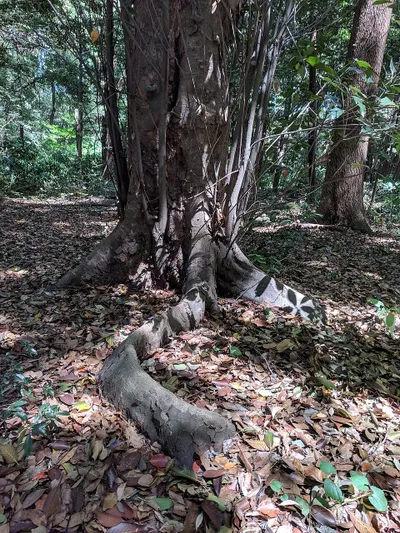
Meiji Shrine
Dedicated on 3 November 1920 to the deified spirits of Emperor Meiji and Empress Shōken, and wrapped in a forest that is entirely man-made: 120,000 trees of 365 species, donated from every part of Japan when the shrine was established. The gravel approach under them takes roughly ten minutes to walk, and it does more to reset a visitor than the buildings waiting at the end of it.
View on Google Maps - 4
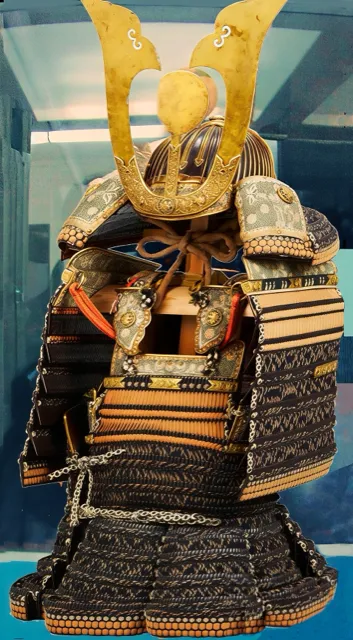
Tokyo National Museum
Eighty-nine National Treasures sit in one institution, which is not a number any other museum in Japan gets to print. Start in the Honkan, Jin Watanabe's building, completed in 1938, where the rooms run in order from the south-east corner of the second floor and clockwise around both floors, so ninety minutes buys the whole sweep of Japanese art. The Tōyōkan can wait until next time.
View on Google Maps - 5
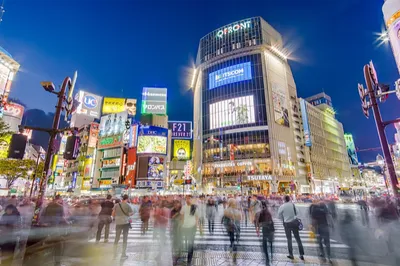
Shibuya Crossing
A 2014 flow survey by the Shibuya Redevelopment Association estimated 260,000 pedestrians a day on weekdays and 390,000 on non-working days, and the arithmetic is legible from the curb. Stand on the Hachikō side, wait for every light to go red at once, and cross on the diagonal. Watching from the Starbucks window instead is the standard mistake, and the window is always full of people making it.
View on Google Maps - 6
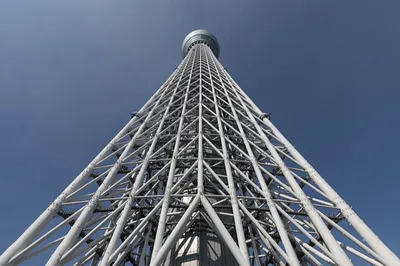
Tokyo Skytree
At 634 meters it is a broadcasting tower first and a viewpoint second, which is why the observation decks sit at 350 and 450 meters rather than anywhere near the top. It opened to the public on 22 May 2012. Book a timed slot before you fly, because the walk-up queue on a clear weekend is the reason so many people come away describing a shopping mall.
View on Google Maps - 7
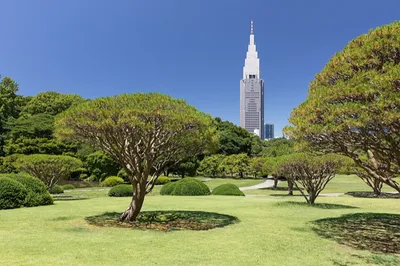
Shinjuku Gyo-en
58.3 hectares of garden sitting inside Shinjuku, reopened to the public on 21 May 1949 and split between a French formal section, an English landscape and a Japanese traditional garden at the southern end. The greenhouse holds over 1,700 tropical and subtropical species and is reliably almost empty. Cherry season here is chaos, and it is still the best cherry season anywhere in the city.
View on Google Maps - 8
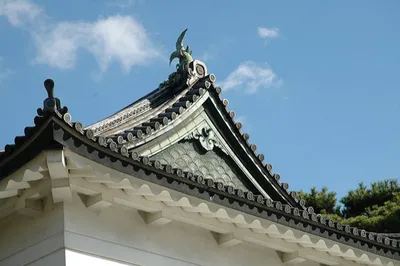
Tokyo Imperial Palace
Edo Castle stood here first, and its old donjon burned in the Meireki fire of 1657 and has never been put back. The main grounds stay shut apart from reserved guided tours running Tuesdays to Saturdays, so most visitors get the East Gardens, which are open on their own separate schedule. Nijūbashi is the photograph everybody takes; the empty Honmaru is the reason to stay an hour.
View on Google Maps - 9
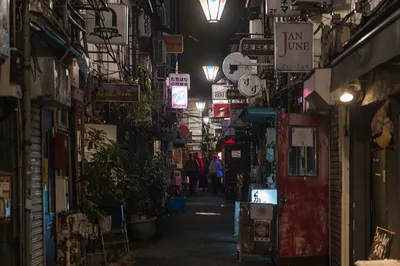
Shinjuku Golden Gai
Six narrow alleys of two-story shanty buildings inside Kabukichō, with over 200 bars packed between them. Border case, and flagged as one: it is a district rather than a single address, but nothing inside it works as a standalone entry. Some rooms fit five customers. Plenty of bars serve regulars only unless somebody introduces you, plenty of others do not, and the door usually says which.
View on Google Maps - 10
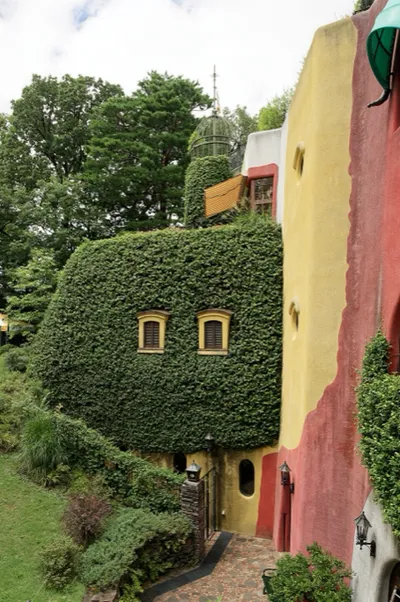
Ghibli Museum
Opened on 1 October 2001 in Mitaka, which is inside Tokyo Metropolis, so it counts whatever the day-trip framing suggests, and designed by Hayao Miyazaki using storyboards of the sort he draws for films. Tickets must be bought in advance for a fixed date, and photography indoors is prohibited. The five-meter robot from Castle in the Sky stands on the roof garden, where cameras are fine.
View on Google Maps - 11
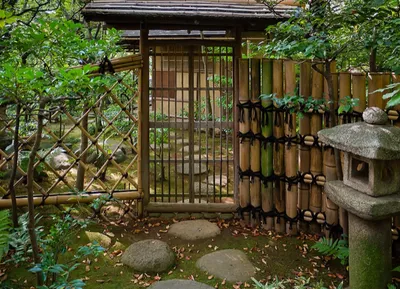
Nezu Museum
Kengo Kuma's rebuild reopened the place in autumn 2009, and the garden behind the galleries is why you allow two hours instead of one. Seven of roughly 7,400 objects here are designated National Treasures, and the Irises screen by Ogata Kōrin goes on show only during a special exhibition each April and May, timed to the irises flowering outside. Miss that window and you have seen another museum.
View on Google Maps - 12
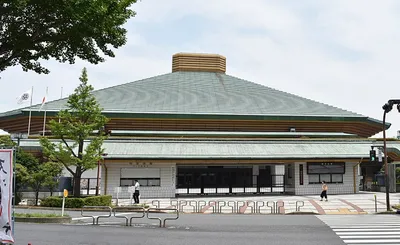
Ryōgoku Kokugikan
Sumo's Tokyo home seats 11,098 and takes the three grand tournaments held in the capital each year, in January, May and September, which makes the calendar the hardest constraint on this whole list. The present hall was inaugurated in January 1985. Arrive mid-afternoon, ahead of the top division, and watch the ring being swept between bouts, because the ritual is most of what you came for.
View on Google Maps - 13
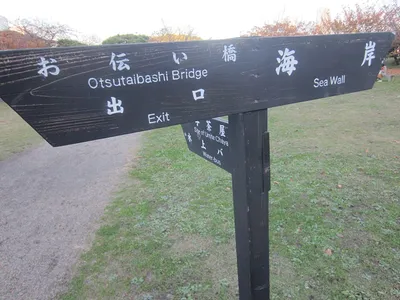
Hama-rikyū Gardens
Tokugawa Tsunashige got permission in 1654 to reclaim the land from Edo Bay and put a villa on it; the garden opened to the public on 1 April 1946. Shioiri-no-ike, the pond, is fed by a seawater moat off Tokyo Bay, so its level shifts with the tide. A teahouse sits at the center of it, reached by two bridges, and will serve anyone who walks in.
View on Google Maps - 14
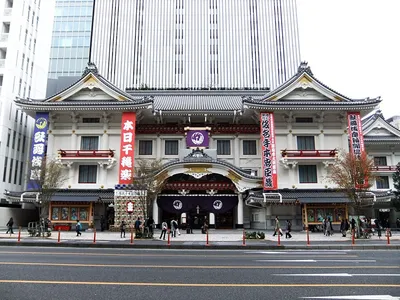
Kabuki-za
Ginza's kabuki house first opened as a wooden building in 1889; the current theater, designed by Kengo Kuma, opened on 28 March 2013 with an office tower grafted onto the back. Tickets are sold for individual acts as well as for whole plays, and that single fact is the argument for going. One act runs about an hour. Buy one, sit high, and leave when you have had enough.
View on Google Maps - 15
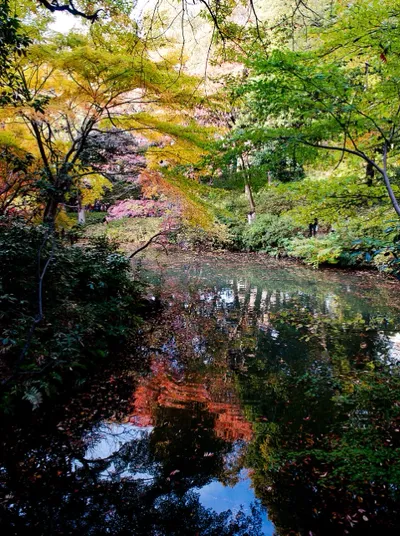
Rikugi-en
Yanagisawa Yoshiyasu had it built between 1695 and 1702, and it remains the most coherent Edo strolling garden left in the city, small enough to circle in forty minutes and laid out so the view rearranges itself every twenty paces. For short spells in spring and autumn the blossom and the foliage are lit and the gates stay open until 9 p.m. That evening hour is the one to take.
View on Google Maps - 16
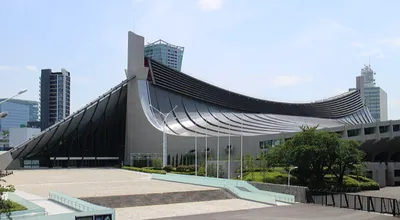
Yoyogi National Gymnasium
Kenzō Tange designed it with the engineer Yoshikatsu Tsuboi, and it opened on 10 October 1964 holding the swimming and diving for that year's Olympics. The suspension roof hangs from cables rather than resting on columns, and the curve of it reads best from the paved slope between the two halls. Handball came back here for the 2020 Games. Architects still make the walk down from Harajuku.
View on Google Maps
How this list was ranked
Readers rank this list by voting items up and down. Items are ordered by reader votes.