The Greatest F1 Drivers, Ranked
Rank them on the driving, not the machinery. That's the job here, and this is the order it produces. Three questions do the work: how high the peak went, how long they held it, and how much of what they won the car explains. Those three don't average into one number, so they're applied as tiers rather than blended together. Ranks 1 to 6 have an answer to all three. Ranks 7 to 12 are short on one of them, and the shortfall varies: a career cut off early, a peak still being written, a seat that was always the best on the grid, a peak that never quite reached the tier above. Ranks 13 to 17 are short on two. Inside the top and bottom tiers the order is the car, hardest case first; inside the middle tier it's the peak, highest first. So comparing 12 with 13 compares two different things. Formula One records only here, which means no Indianapolis and no Le Mans. Vote it into shape.
Juan Manuel Fangio is #1 on “The Greatest F1 Drivers, Ranked”.
- 1
Juan Manuel Fangio
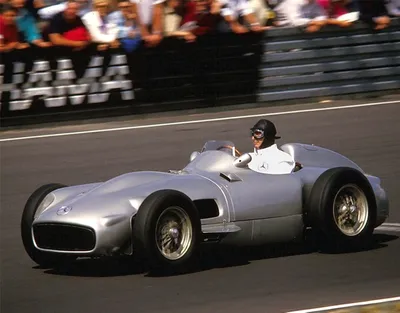
Five titles, and they arrived in Alfa Romeos, Maseratis, a Mercedes and a Ferrari, because he kept changing the car and kept winning. At the 1957 German Grand Prix he pitted from a thirty-second lead, rejoined third and fifty seconds down, then broke the Nürburgring lap record over and over until he was back in front. Twenty-four wins from fifty-two entries, two of them shared, for a winning percentage of 46.15%, the highest in the sport's history.
 Juan Manuel Fangio - Wikipediahttps://en.wikipedia.org/wiki/Juan_Manuel_Fangio
 - 2
Michael Schumacher
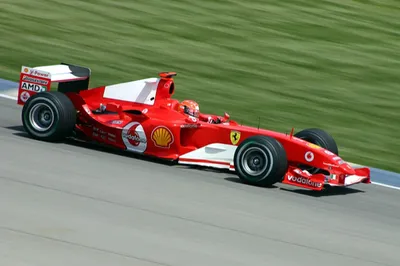
Seven titles is the record he set, and the first two came at Benetton, beating Williams. Then he joined a Ferrari that had not won a drivers' championship since 1979. At the 1996 Spanish Grand Prix he dropped to sixth off the line, took the lead on lap nineteen and lapped the whole field up to third place, running five seconds a lap quicker than anyone else in the wet.
https://en.wikipedia.org/wiki/Michael_Schumacher - 3
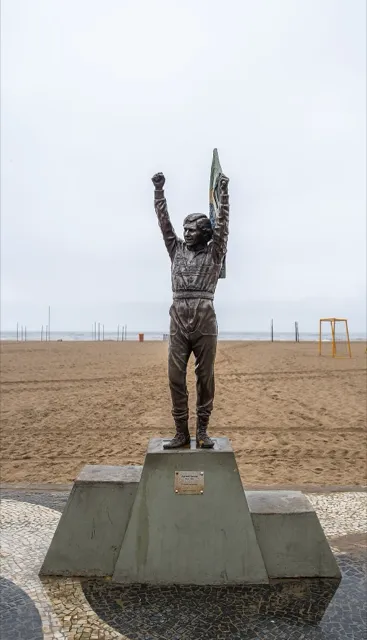
Ayrton Senna
Three championships and sixty-five pole positions, but the drive people still argue about came in a McLaren running customer Ford engines two specifications behind Benetton's works units. Donington Park, 1993: rain, a drying line, then rain again. He passed four cars on the opening lap and eventually lapped everyone bar second place. Prost pitted seven times that afternoon. One race, and it makes the whole argument.
 Ayrton Senna - Wikipediahttps://en.wikipedia.org/wiki/Ayrton_Senna
 - 4
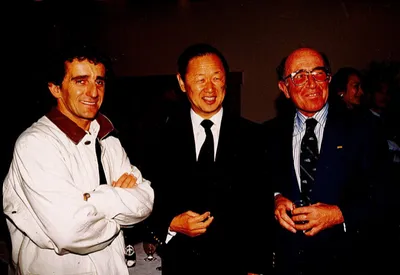
Alain Prost
Four titles, in 1985, 1986, 1989 and 1993, and fifty-one wins, which was the record when he stopped. The 1986 one came with his car struggling against the Honda-powered Williamses of Piquet and Mansell, and it was settled in Adelaide when Mansell's rear tyre exploded at 180mph and he had to hold Piquet off to the flag. In 1988 he outscored Senna across the season and lost, because just the best eleven results counted.
 Alain Prost - Wikipediahttps://en.wikipedia.org/wiki/Alain_Prost
 - 5
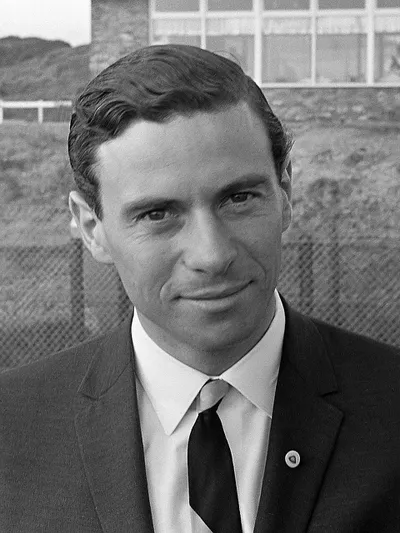
Jim Clark
Monza, 1967: a puncture put him a lap down in sixteenth, and he rebuilt the entire deficit, retook the lead outright, then ran short of fuel and coasted over the line in third. Twenty-five wins from seventy-two starts and two championships, in Lotuses that were often the quickest thing there and just as often broke, and an oil leak from the engine cost him a title, conceding it to John Surtees.
 Jim Clark - Wikipediahttps://en.wikipedia.org/wiki/Jim_Clark
 - 6
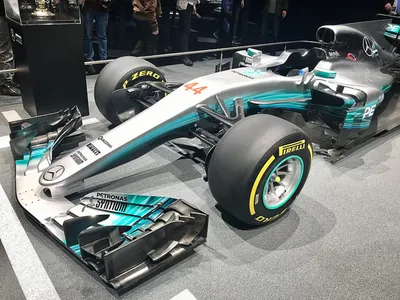
Lewis Hamilton
Tied on seven titles with Schumacher, and the one people forget is the first. Interlagos, 2008: he needed fifth, sat sixth going into the final corners of the last lap, took Timo Glock there and denied Felipe Massa the title by a single point in Massa's home race. That one he had to take off a Ferrari. The Mercedes era came afterwards, and it is why he sits at the bottom of this tier rather than the top.
https://en.wikipedia.org/wiki/Lewis_Hamilton - 7
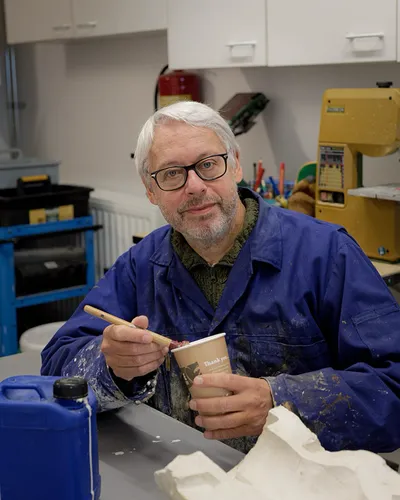
Max Verstappen
Nineteen wins in a single season, ten of them consecutive, which took Sebastian Vettel's record of nine off the board. That was 2023. Four championships in a row from 2021, and the fourth is the interesting one, because by then the Red Bull was not the quickest car out there for most of the year and he won regardless. The long haul is still being written.
https://en.wikipedia.org/wiki/Max_Verstappen - 8
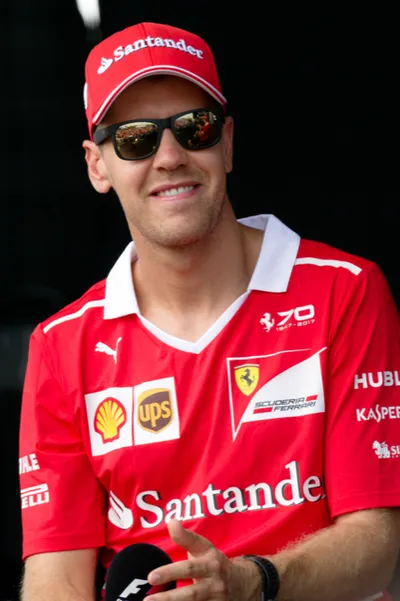
Sebastian Vettel
Fifty-three wins over sixteen seasons and four championships in a row from 2010. In 2013 he won thirteen races, nine of them back to back, a record that stood for a decade. The knock is the machinery and it is a fair knock. The counter is Monza in 2008: a wet race, a Toro Rosso, twelve and a half seconds clear. But one afternoon is the difference between an answer and an anecdote.
 Sebastian Vettel - Wikipediahttps://en.wikipedia.org/wiki/Sebastian_Vettel
 - 9
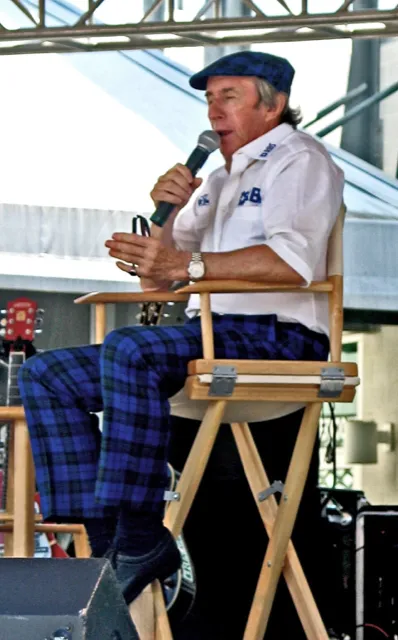
Jackie Stewart
Fog and standing water at the Nürburgring in 1968, visibility down to almost nothing, and he won it by four minutes. Three championships, in 1969, 1971 and 1973, plus twenty-seven wins, the record when he walked away at thirty-four. He then spent years pushing circuit owners into fitting barriers and medical crews, and plenty of the paddock resented him for it.
 Jackie Stewart - Wikipediahttps://en.wikipedia.org/wiki/Jackie_Stewart
 - 10
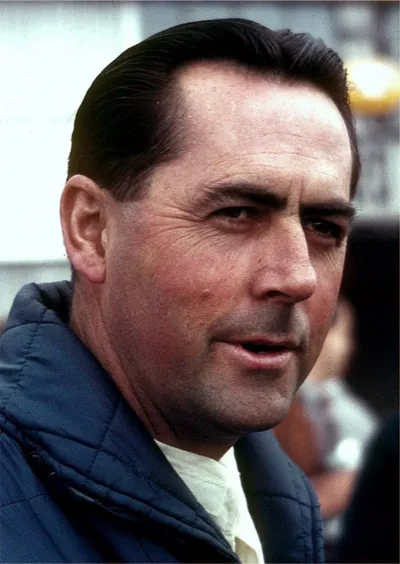
Jack Brabham
Sebring, 1959: out of fuel on the last lap, he climbed out and pushed the car over the line for fourth, and took the championship by four points. Three titles, in 1959, 1960 and 1966, spread over eight seasons, five straight wins in the 1960 season, and that last one came in a car carrying his own name. He built the thing, then beat everybody with it.
 Jack Brabham - Wikipediahttps://en.wikipedia.org/wiki/Jack_Brabham
 - 11
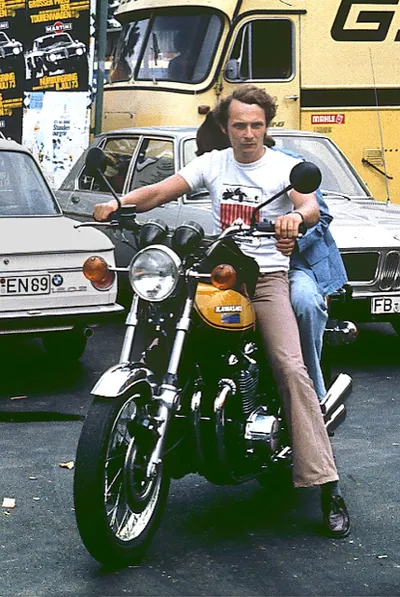
Niki Lauda
Burned when his Ferrari left the road and caught fire at the Nürburgring on 1 August 1976, he missed two races, turned up at Monza six weeks later with the burns still bandaged, and finished fourth, absolutely petrified by his own admission. Three titles: 1975 and 1977 with Ferrari, then 1984 with McLaren, by half a point from his own teammate.
 Niki Lauda - Wikipediahttps://en.wikipedia.org/wiki/Niki_Lauda
 - 12
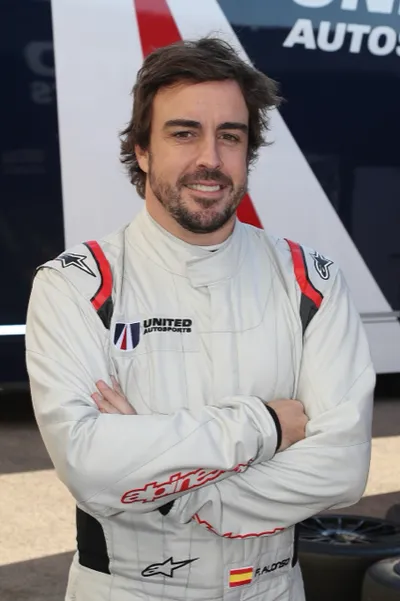
Fernando Alonso
Two championships, 2005 and 2006, both with Renault. The stronger case is 2012, when wins in Malaysia, Valencia and Germany built a forty-point lead in a Ferrari that had no business leading anything, and he still ended the year runner-up on 278 points. He broke the record for most career starts in 2022, and that durability is the other half of the case.
 Fernando Alonso - Wikipediahttps://en.wikipedia.org/wiki/Fernando_Alonso
 - 13
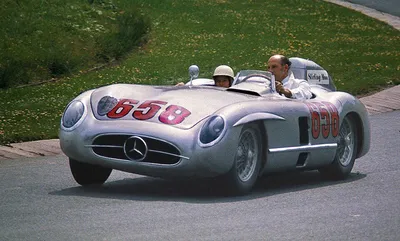
Stirling Moss
Runner-up in the championship four years running, from 1955 to 1958, then third for three more, and never champion. Sixteen Formula One wins across eleven seasons, which is the wrong number to judge him by. Monaco, 1961: his Climax-engined Lotus was down on power and he won by 3.6 seconds, with the Ferraris of Richie Ginther, Wolfgang von Trips and Phil Hill queued up behind him.
 Stirling Moss - Wikipediahttps://en.wikipedia.org/wiki/Stirling_Moss
 - 14
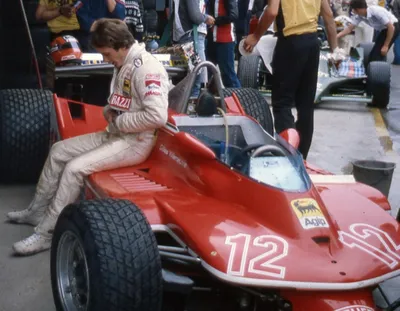
Gilles Villeneuve
Sixty-seven Grands Prix, six wins, thirteen podium finishes, runner-up in 1979 and never a champion. Dijon, 1979: the closing laps against René Arnoux, wheels touching, the two of them side by side through corner after corner. At Jarama in 1981 he won by keeping five quicker cars behind him for most of the race, which is the whole of him in one line.
 Gilles Villeneuve - Wikipediahttps://en.wikipedia.org/wiki/Gilles_Villeneuve
 - 15
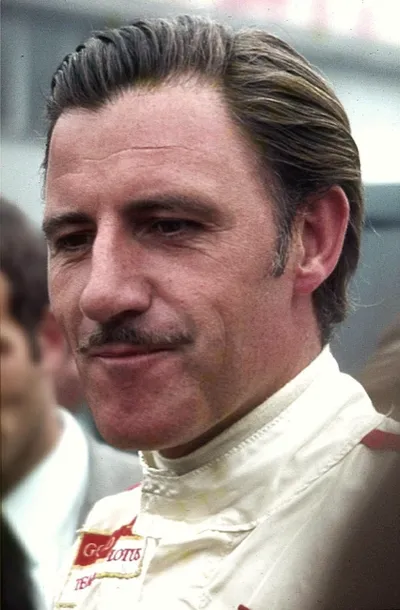
Graham Hill
Clark died early in 1968, weeks after the pair of them had run one-two at the season opener, and Lotus was left in pieces. Somebody had to hold it together and he did, taking the championship at the final race with Jackie Stewart chasing him down. Two titles, six years apart, the first with BRM in 1962, plus five Monaco wins, a record that lasted twenty-four years.
 Graham Hill - Wikipediahttps://en.wikipedia.org/wiki/Graham_Hill
 - 16
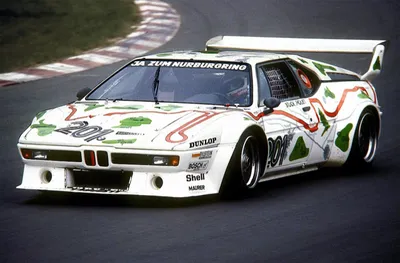
Nelson Piquet
Twenty-three wins across fourteen seasons and three championships, a ratio that tells you exactly how he won them. The 1987 title came while he was winning fewer races than his own teammate in the same car, on what he called a percentage driving policy: from Detroit to Portugal, never off the podium. The 1981 one went the same way, since fifth at the Caesars Palace Grand Prix was enough.
 Nelson Piquet - Wikipediahttps://en.wikipedia.org/wiki/Nelson_Piquet
 - 17
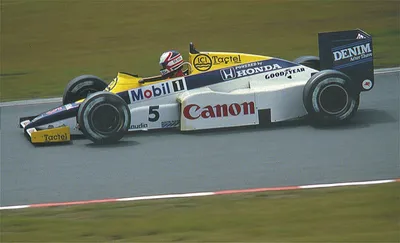
Nigel Mansell
Winning nine races in 1992 set a single-season record that held until Schumacher took eleven in 2002, and the Williams he did it in was the best thing on the grid by some distance. Thirty-one wins over fifteen seasons, and a championship that took 180 starts to arrive, which is its own kind of stubbornness. Terrific driver. Terrific car. Both true.
 Nigel Mansell - Wikipediahttps://en.wikipedia.org/wiki/Nigel_Mansell
How this list was ranked
Readers rank this list by voting items up and down. Items are ordered by reader votes.