The Best Movie Soundtracks of All Time
A listening order, not a scoreboard: the order is the lesson, each film one thing music can do to a picture. Disagree? Fork it and rebuild the sequence. Ten scores first, sorted by what's left of the orchestra: two notes, one section, one person at a piano, one theme split three ways, a whole system of themes, the orchestra turned against the picture, then its job handed to a single instrument, biggest first — organ, piano over electronics, synthesizer, one detuned viola. Then five built from records or songs: Strauss replacing a thrown-away score, Simon & Garfunkel kept by accident, songs written for a detective, songs written blind for a disco, a crime picture that never ordered a score. Last, nothing but score. Original score, original songs and compiled records all count; each entry says which. Musicals are out, since a musical's songs are the film rather than a soundtrack to it, so no Singin' in the Rain or Purple Rain. So are concert films and television. Links go to the film's IMDb page; the text is about what you hear.
Jaws (1975) is #1 on “The Best Movie Soundtracks of All Time”, ranked by ListWorld Film & TV Desk.
- 1
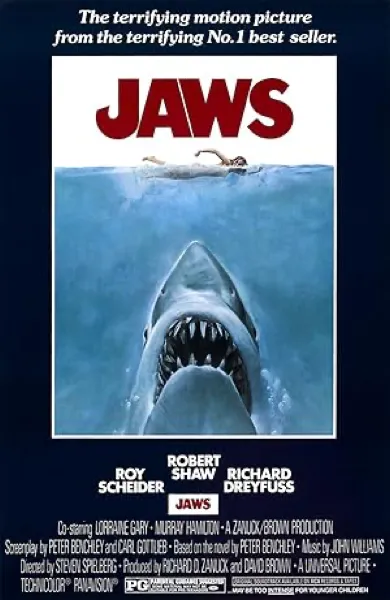
Jaws (1975)
Two notes. John Williams's shark theme alternates E and F in the low strings, and Spielberg laughed when Williams first played it on a piano because he assumed it was a joke. Original score, Academy Award in 1976. Hear it first as Main Title (Theme From 'Jaws') under the opening credits, then notice what the film does with its absence — near the climax the shark surfaces with no musical warning, because you have been trained to expect one.
Jaws1975 · Steven Spielberg - 2
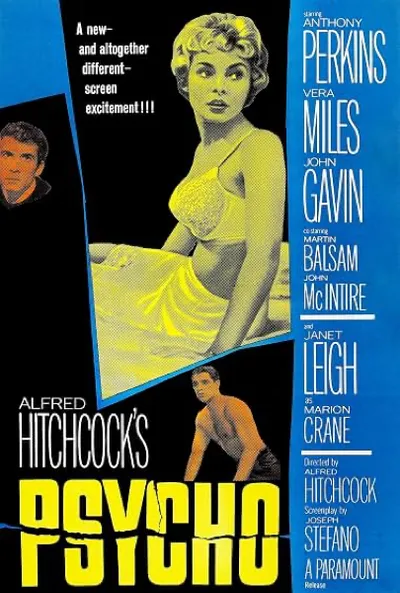
Psycho (1960)
Bernard Herrmann wrote the whole score for a string orchestra and nothing else, which is the next lesson — limit the palette and the palette becomes the signature. Hitchcock wanted the shower scene, and every motel scene, to play silent. Herrmann insisted he try it with the cue he had written, The Murder, all screeching violins, violas and cellos, and Hitchcock later said a third of the film's effect came from the music. Original score.
Psycho1960 · Alfred Hitchcock - 3
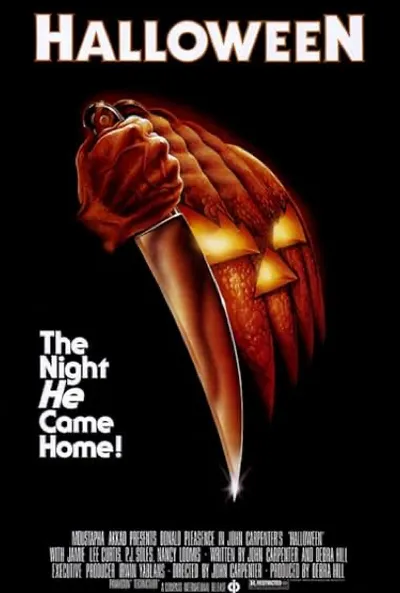
Halloween (1978)
One person, one piano line. John Carpenter directed, then composed and performed the score himself after a test screening told him the film wasn't scary, and the melody runs in a lopsided 5/4 that never lets you settle. Halloween Theme – Main Title plays over the opening as the camera creeps toward a jack-o'-lantern's eye until its light goes out. Original score, on a budget Moustapha Akkad set at $300,000 — low even then.
Halloween1978 · John Carpenter - 4
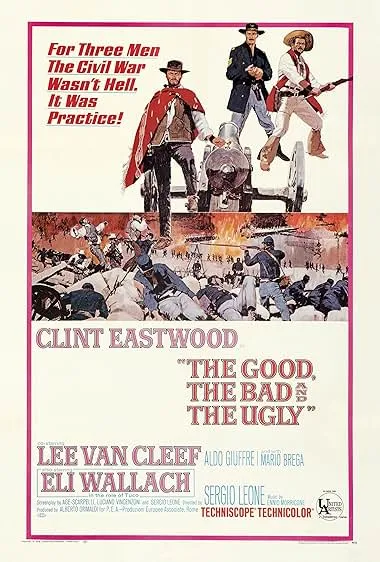
The Good, the Bad and the Ugly (1966)
Now one theme wearing three costumes. Ennio Morricone's two-note main motif gets a different voice for each gunman, flute for Blondie, an arghilofono for Angel Eyes, human voices for Tuco, so the music tells you who is in the frame before the camera does. Then The Ecstasy of Gold, with Edda Dell'Orso singing, carries Tuco's run through the cemetery after $200,000 in gold coins. Original score — the album reached No. 4 on Billboard's pop chart.
The Good, the Bad and the Ugly1967 · Sergio Leone - 5
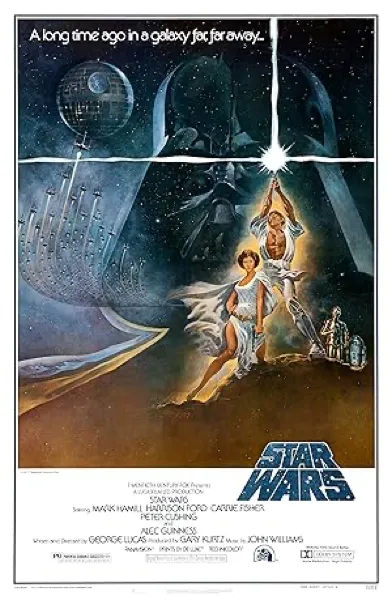
Star Wars (1977)
A whole system of themes, every person and idea with its own, and they argue across the entire film. Performed by the London Symphony Orchestra, the score took the Academy Award for Best Original Score. Learn the Force theme first, released as Binary Sunset — it plays as Luke Skywalker gazes out at Tatooine's twin suns, and it comes back every time the film wants you to believe him. Original score.
Star Wars: Episode IV - A New Hope1977 · George Lucas - 6
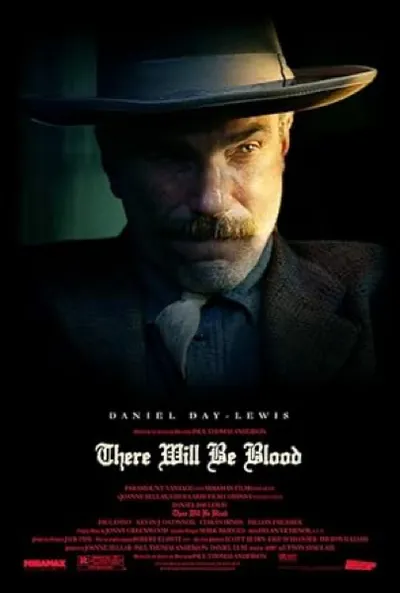
There Will Be Blood (2007)
A score that argues with the picture, with the full orchestra still in the room. Jonny Greenwood of Radiohead wrote orchestral music for Paul Thomas Anderson's oil saga that grinds against the open country, and during the derrick fire his earlier piece Convergence is laid over the title cue while the well burns. The Academy ruled it ineligible for the 2008 Best Original Score award over that pre-existing material — the thing that makes the fire work. Original score.
There Will Be Blood2007 · Paul Thomas Anderson - 7
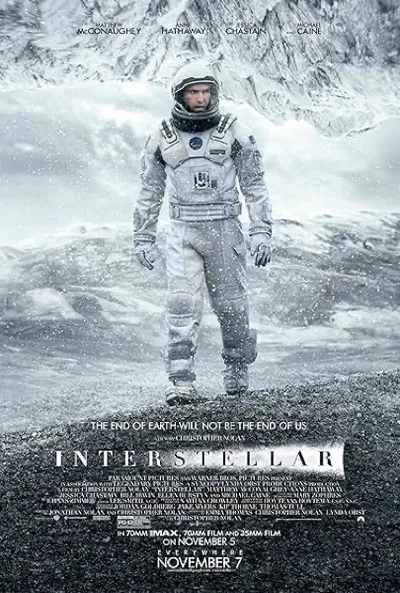
Interstellar (2014)
From here the orchestra's job goes to one instrument at a time, biggest first. Christopher Nolan briefed Hans Zimmer with a one-page fable about a father leaving a child to finish a job, and asked for a day's music. The result rides on the 1926 Harrison & Harrison organ at Temple Church, London, Roger Sayer playing. No Time for Caution, a passacaglia on a repeating bass line, drives the docking — Cooper steering onto the spinning Endurance. Original score.
Interstellar2014 · Christopher Nolan - 8
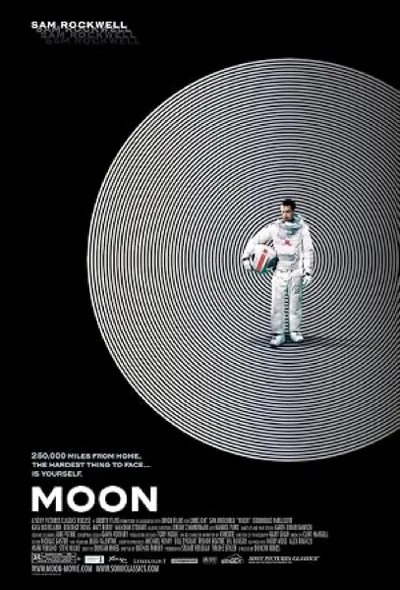
Moon (2009)
Still a piano, now over electronics. Clint Mansell scored Duncan Jones's film about Sam Bell, three weeks from the end of a three-year contract on a lunar base, and it is predominantly electronic with a solo piano surfacing through it. Welcome to Lunar Industries opens the film — a simple theme in soothing chords, the piano keeping time like a metronome. Made for $5 million, premiered at Sundance in 2009, and a British Independent Film Award nomination for Mansell. Original score.
Moon2009 · Duncan Jones - 9
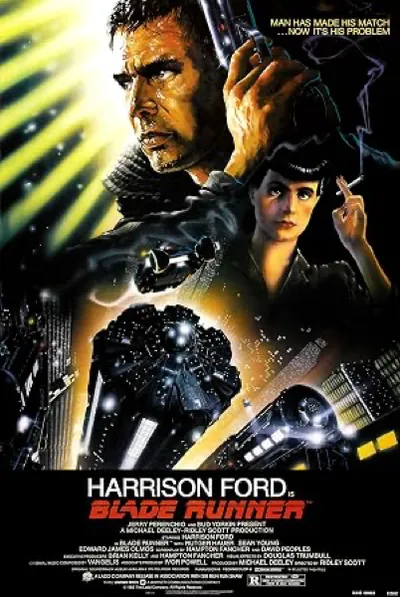
Blade Runner (1982)
Then no acoustic instrument at all. Vangelis scored Ridley Scott's film on synthesizers, chiefly a Yamaha CS-80, and you hear that instrument first in Main Titles over the opening view of Los Angeles in November 2019 with the Tyrell pyramid rising out of the smog. Nominated for a BAFTA and a Golden Globe, the score then went unreleased in an official recording until 1994. Original score — twelve years late.
Blade Runner1982 · Ridley Scott - 10
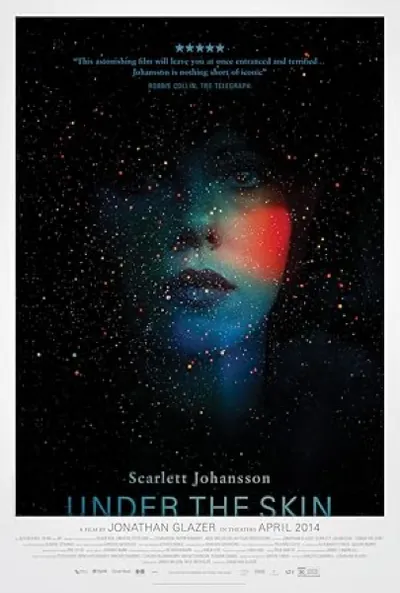
Under the Skin (2013)
Smallest instrument in the run, and the strangest. Mica Levi recorded most of Jonathan Glazer's score on a viola over ten months, then altered pitch and tempo to make it feel uncomfortable. Where Mansell's piano keeps a melody, Levi withholds one — Lipstick to Void is a three-note string figure over a lumbering drum pattern whenever Scarlett Johansson's alien turns predator; a warmer motif is saved for the track called Love. Original score; European Film Award for Best Soundtrack.
Under the Skin2013 · Jonathan Glazer - 11
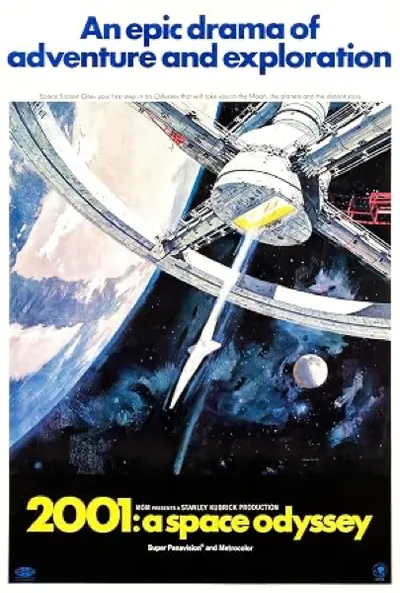
2001: A Space Odyssey (1968)
Here the lesson flips: a film that wrote a score and threw it away. Stanley Kubrick commissioned one from Alex North and abandoned it in post-production for existing classical pieces. Also sprach Zarathustra opens the film over the Sun, Earth and Moon; The Blue Danube carries a Pan Am space plane docking at Space Station V — a waltz for machinery. Four Ligeti works sit alongside, some used without the composer's permission. Compiled records, nothing original.
2001: A Space Odyssey1968 · Stanley Kubrick - 12
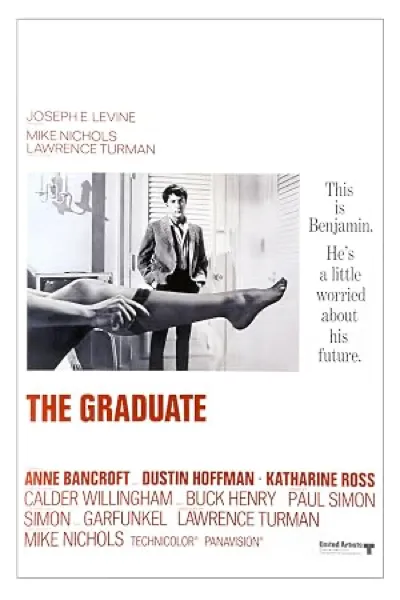
The Graduate (1967)
Kubrick borrowed from the concert hall; Mike Nichols borrowed from the pop charts, almost by accident. He and editor Sam O'Steen first cut to existing Simon & Garfunkel records as a pacing device, then Nichols decided original music would not do the job and kept them — unusual in 1967. The Sound of Silence, a 1965 hit, runs under both the opening and closing credits; Mrs. Robinson was a work in progress Simon reshaped to fit. Compiled records.
The Graduate1967 · Mike Nichols - 13
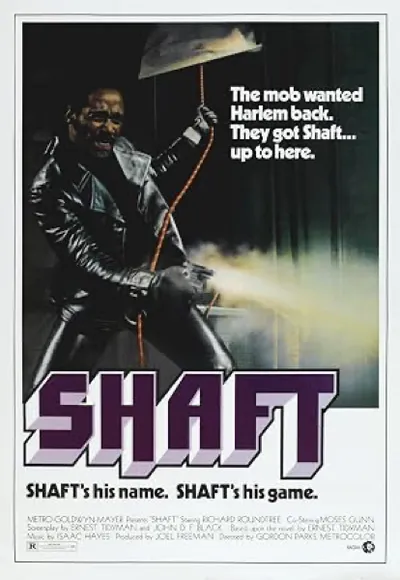
Shaft (1971)
Songs written for the film rather than found for it. Isaac Hayes was handed footage of Shaft coming out of the subway and built Theme from Shaft around it — Willie Hall's sixteenth-note hi-hat, lifted from an Otis Redding break, and Charles Pitts's wah-wah guitar. It won Best Original Song at the 44th Academy Awards in 1972, the first Oscar for a Black composer in that category; at the Grammys the theme took two and the score a third. Original songs.
Shaft1971 · Gordon Parks - 14
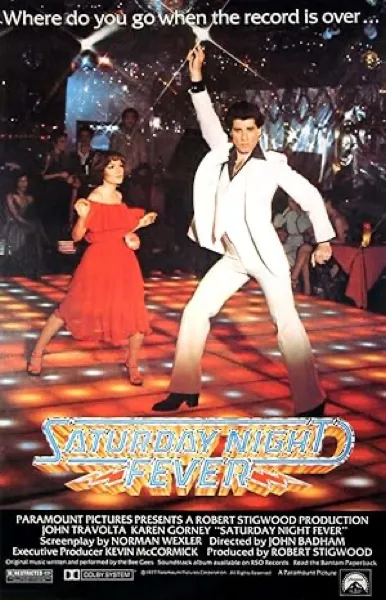
Saturday Night Fever (1977)
Hayes scored to footage; the Bee Gees scored blind. They joined John Badham's film only after principal photography and wrote the songs in close to a single weekend at Château d'Hérouville in France, so the dance-floor scenes were shot to Stevie Wonder tracks and overdubbed later. Stayin' Alive runs under the opening credits as Tony Manero walks Bay Ridge. The double album won the Grammy for Album of the Year and sold over 40 million copies. Original songs.
Saturday Night Fever1977 · John Badham - 15
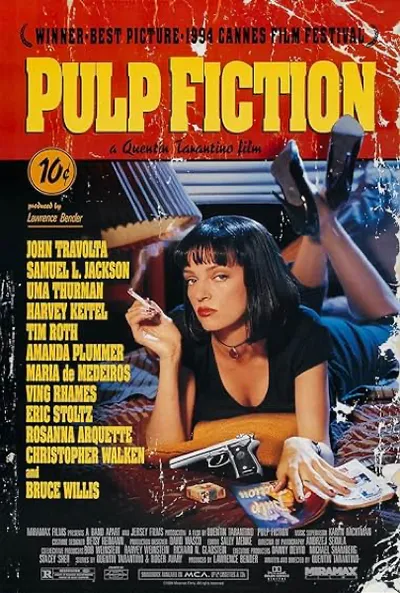
Pulp Fiction (1994)
No traditional score was commissioned, and nothing here was thrown away or kept by accident: Quentin Tarantino built the whole thing from records. Dick Dale's Misirlou plays over the opening credits, and Chuck Berry's You Never Can Tell is the twist contest where Vincent Vega and Mia Wallace compete, chosen because its French lyrics gave the scene a '50s New Wave feel. The MCA soundtrack, out September 27, 1994, cuts dialogue between the songs — records as structure. Compiled records.
Pulp Fiction1994 · Quentin Tarantino - 16
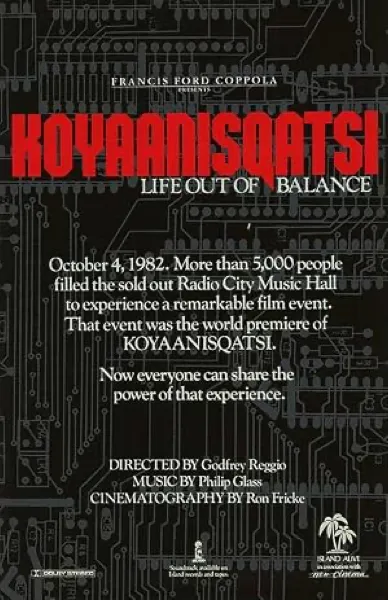
Koyaanisqatsi (1982)
End with a film that has no dialogue, narration or intertitles, so Philip Glass's score is not accompanying anything; it is the other half of the film. No songs either, so it is a score and not a musical. Its October 1982 New York Film Festival screening was moved to Radio City Music Hall. The Grid runs twenty-one minutes over time-lapse traffic, slow brass accelerating until a synthesizer takes the bass line — pace as argument. Original score.
Koyaanisqatsi1982 · Godfrey Reggio
How this list was ranked
This list is ranked by ListWorld Film & TV Desk, not by community vote.